Roof Repair vs. Replacement: A Practical Guide for Boise Property Owners
Choosing between roof repair and replacement requires more than looking at a roof’s age. This guide explains how damage, materials, installation quality, weather exposure, and long-term maintenance costs affect roofing decisions for Boise and Treasure Valley properties.
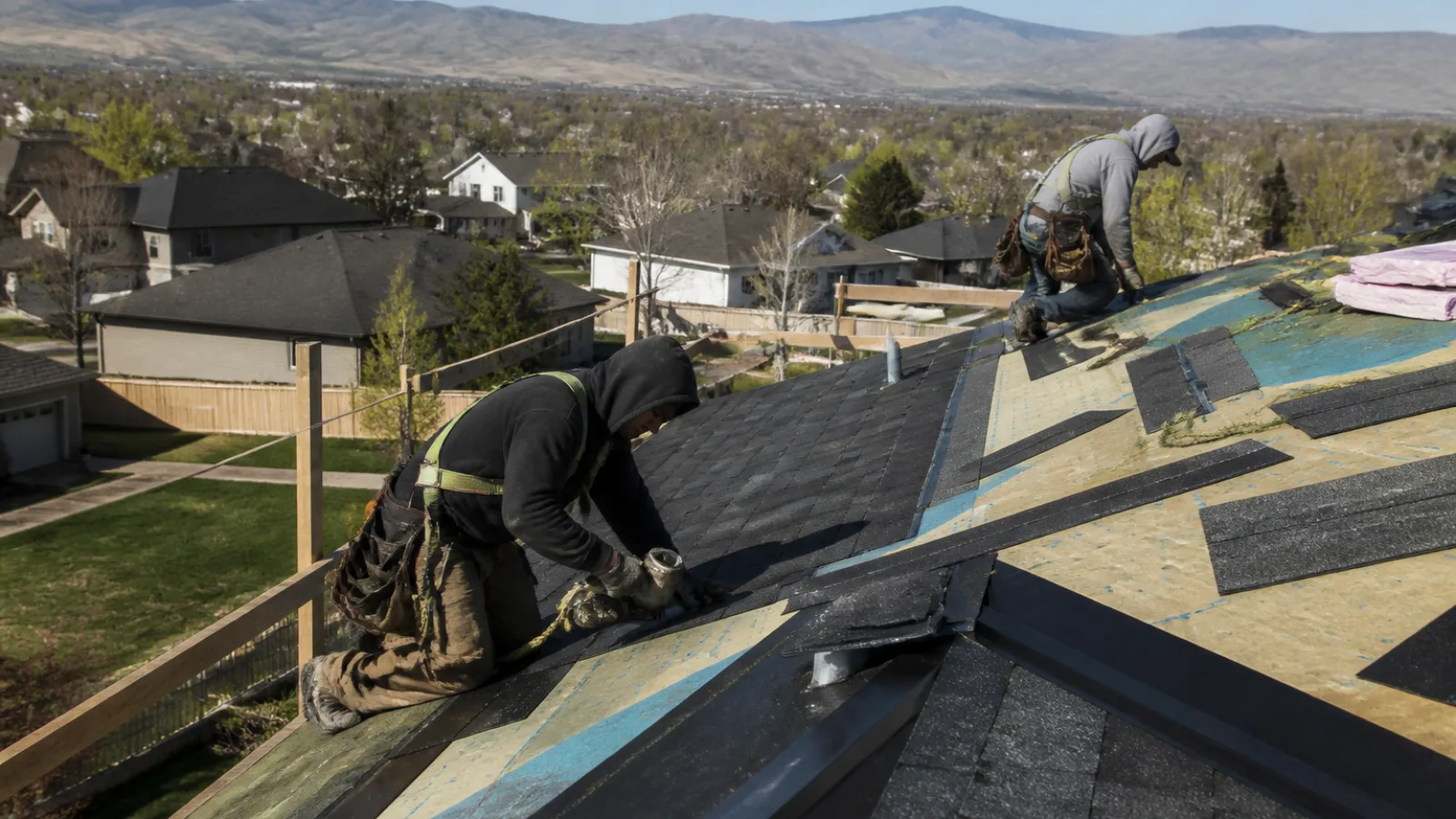
Property owners facing roof leaks, storm damage, or aging materials must decide whether repairs will provide reliable protection or whether replacement is the better investment. Signature Roofing, a boise roofing company serving residential and commercial properties throughout the Treasure Valley, provides roof repairs, replacements, and installation services with an emphasis on quality workmanship, clear communication, and dependable project execution.
A roofing system protects the structure, interior finishes, equipment, inventory, and occupants beneath it. For homeowners, a neglected roof can lead to insulation damage, mold concerns, and costly interior repairs. For commercial owners and facility managers, roof failure may interrupt operations and damage valuable assets. The right decision depends on the roof’s actual condition, not simply its installation date. A professional assessment can distinguish an isolated defect from deterioration affecting the entire system.
Why Roof Condition Matters More Than Age Alone
Roof age provides useful context, but it is not a complete decision-making tool. A properly installed and maintained roof may perform well beyond expectations, while a newer system can develop serious problems because of poor workmanship, inadequate drainage, unsuitable materials, or storm exposure.
Material quality, installation methods, ventilation, flashing details, roof slope, and maintenance history all influence performance. Boise and Treasure Valley roofs also experience snow, wind, ultraviolet exposure, seasonal precipitation, and repeated freeze-thaw cycles. These conditions can accelerate wear at seams, penetrations, edges, fasteners, and drainage points. An older roof with limited, localized wear may be a good repair candidate, while a comparatively young roof with widespread moisture intrusion may require replacement.
Common Signs a Roof Needs Professional Attention
Some warning signs are visible from the ground or inside the building, but their underlying causes often require a closer inspection. Common indicators include:
- Missing, cracked, curled, or damaged shingles
- Recurring roof leaks or ceiling stains
- Loose, corroded, or improperly sealed flashing
- Water stains on ceilings, walls, or insulation
- Ponding water on low-slope commercial roofs
- Blisters, splits, punctures, or deteriorated roofing membranes
- Wind uplift, hail impact, or other storm damage
- Soft areas or deterioration in the roof deck
An isolated flashing defect or a small area of wind damage may be repairable. By contrast, widespread shingle loss, saturated insulation, repeated leaks, failing membrane seams, or deteriorated decking can indicate a broader system problem. Water stains also do not always appear directly below the entry point, so interior symptoms should not be used to locate the full extent of damage without professional evaluation.
When Roof Repair Is the Better Option
Repair is often appropriate when the roof is relatively new, the main materials remain sound, and the damage is limited. Examples include an isolated leak, localized flashing damage, a small number of missing shingles, or minor storm-related impact. A targeted repair may involve replacing damaged materials, resealing a penetration, correcting flashing, or improving a specific drainage detail.
Repairing a structurally sound roof can be more economical than replacing it prematurely. It also reduces material disposal and limits disruption to occupants. However, a low initial repair cost is not necessarily a good value if the same area continues to fail. The repair should address the source of the problem, use compatible materials, and include appropriate documentation so future maintenance can be planned.
When Complete Roof Replacement Makes More Sense
Replacement becomes more practical when deterioration is widespread, repair costs are recurring, or the roofing system is approaching the end of its useful service life. Extensive moisture damage, failing underlayment, brittle or deteriorated materials, widespread membrane failure, and significant roof deck damage are common reasons to consider a full replacement.
Repeated repairs can also become a financial and operational burden. Multiple leak investigations, interior restoration, emergency work, and interruptions to tenants or employees may cost more over time than a properly planned replacement. Replacement provides an opportunity to correct poor drainage, improve insulation, upgrade flashing, address ventilation, and select materials that better match the building and local conditions. The decision should still follow a documented assessment rather than a generalized age threshold.
Residential Roofing Systems: Materials and Performance
Architectural asphalt shingles are widely used for Boise homes because they offer broad design flexibility and a practical balance of cost, appearance, and performance. Installation quality is critical at valleys, eaves, rakes, penetrations, and roof-to-wall transitions. Adequate underlayment, ventilation, flashing, and fastening patterns help shingles perform through wind, snow, and seasonal temperature changes.
Standing seam metal roofing can provide a durable, low-maintenance option with strong resistance to wind and weather when properly specified and installed. It requires careful detailing around fasteners, seams, penetrations, snow-shedding considerations, and transitions between roof planes. Metal can suit contemporary, rural, and many traditional architectural designs, but the panel profile and finish should be selected for the property’s appearance and site conditions.
Specialty residential materials, such as composite products, tile, or other designer systems, may offer distinctive architectural character and specific performance benefits. They can also involve greater structural, installation, or maintenance considerations. The roof framing, pitch, local exposure, and availability of qualified installers should be reviewed before selecting a specialty product.
Commercial Roofing Systems and Their Maintenance Needs
Commercial buildings commonly use low-slope systems that depend on continuous waterproofing and reliable drainage. TPO and PVC membranes use heat-welded seams and can provide reflective surfaces suited to many commercial applications. EPDM is a flexible synthetic rubber membrane often used on low-slope roofs, while built-up roofing uses multiple reinforcing and waterproofing layers. Commercial metal roofing may be appropriate for steeper applications, large facilities, or buildings where long panel runs and durable finishes are desired.
System selection is only part of the decision. Facility managers should monitor roof drains, scuppers, gutters, insulation, seams, penetrations, curbs, rooftop equipment, and edge details. Maintenance access should be planned to reduce accidental membrane damage. Ponding water, blocked drainage, unsecured equipment, and unsealed penetrations can shorten the service life of otherwise suitable materials. Regular inspections are particularly important after severe weather and before seasonal changes.
Why Professional Roof Inspections Are Important
A professional inspection combines visual assessment with construction knowledge. The inspector may examine shingles or membranes, flashing, fasteners, roof edges, penetrations, drainage paths, attic ventilation, and accessible interior areas. Where appropriate, moisture detection tools can help identify wet insulation or concealed water intrusion that is not visible from the surface.
A useful inspection should document observed conditions, distinguish urgent defects from routine maintenance, and explain whether damage appears localized or systemic. An experienced local boise roofing contractor can also evaluate how Boise-area weather, building use, roof design, and material availability affect the recommended solution. Property owners should receive clear findings rather than pressure to select a predetermined outcome.
How Boise Weather Affects Roofing Systems
Snow accumulation adds weight and can stress roof structures, especially where drainage is restricted or snow drifts form near higher roof sections. Freeze-thaw cycles can open small cracks, loosen materials, and worsen defects in flashing or masonry interfaces. Strong winds may lift shingles, stress membrane edges, and displace poorly secured components.
Summer ultraviolet exposure can age exposed membranes, sealants, and asphalt surfaces. Seasonal precipitation tests drainage systems and can reveal deficiencies around valleys, penetrations, curbs, and roof-to-wall transitions. Material selection should therefore consider roof slope, ventilation, snow management, wind exposure, UV resistance, drainage design, and the specific building site. Good installation details are as important as the product itself.
What Happens During a Professional Roof Replacement?
A well-managed replacement commonly follows these steps:
- Initial roof inspection: The contractor reviews existing materials, damage, drainage, access, and project requirements.
- Existing material removal: Old roofing is removed according to the project scope and safe work procedures.
- Roof deck assessment: Exposed decking is checked for rot, weakness, moisture damage, and fastening concerns.
- Underlayment and waterproofing: Appropriate underlayment, ice and water protection, or membrane components are installed.
- Flashing installation: Valleys, edges, penetrations, chimneys, curbs, and wall transitions receive carefully detailed flashing.
- Roofing material installation: Shingles, panels, membranes, or other specified materials are installed to manufacturer and project requirements.
- Ventilation and drainage checks: Attic ventilation, drains, scuppers, gutters, and runoff paths are reviewed.
- Site cleanup: Roofing debris, fasteners, packaging, and removed materials are collected and disposed of appropriately.
- Final quality inspection: The completed work is reviewed for installation details, finish quality, and outstanding corrections.
Clean installation practices, fall protection, material handling, and communication matter throughout the project. Property owners should understand the scope, anticipated disruptions, change-order process, and inspection stages before work begins.
Emergency Roof Repairs After Storm Damage
After wind, hail, heavy snow, or another event, the first priority is to protect the building and limit additional water intrusion. Temporary tarping, leak containment, moving vulnerable contents, and documenting visible damage may be appropriate while a full assessment is arranged. Occupants should avoid unsafe roof access and use caution around wet ceilings, electrical equipment, and fallen materials.
An emergency repair is usually a temporary stabilization measure, not automatically a permanent solution. The contractor should identify damaged materials, inspect the roof deck and interior areas where possible, and explain the options for permanent repair or replacement. Photographs, maintenance records, and insurance documentation can support the evaluation.
Comparing Roof Repair and Replacement Costs
Roofing costs vary significantly by project. Important factors include roof size, pitch, material selection, labor requirements, building height, accessibility, existing roof layers, deck repairs, disposal, insulation, flashing complexity, and drainage improvements. Commercial work may also involve equipment coordination, tenant protection, phased construction, and safety controls.
A repair estimate should identify the affected area, proposed materials, preparation, labor, and limitations of the repair. A replacement estimate should explain removal, deck allowances, underlayment, insulation, flashing, ventilation or drainage work, cleanup, and final inspection. Comparing detailed scopes is more useful than comparing a single total. No estimate can be reliable without considering the roof’s actual condition and site requirements.
How to Choose a Reliable Roofing Contractor in Boise
Look for relevant experience with the property type and roofing system under consideration. A contractor serving both residential and commercial clients may be able to address asphalt shingles, metal roofing, flat roofs, and membrane systems, but owners should still verify experience with the specific proposed material.
Request a written estimate that identifies materials, preparation, exclusions, labor, schedule assumptions, payment terms, and change-order procedures. Confirm insurance coverage and applicable licensing requirements, and ask for material specifications, workmanship standards, warranty documentation, and the planned final inspection. Clear communication before and during construction helps prevent misunderstandings.
Site cleanliness, safe work practices, responsive service, and respect for occupants are practical indicators of professionalism. Signature Roofing is one example of a Treasure Valley provider that emphasizes quality craftsmanship, clear communication, clean installation practices, responsive service, and long-lasting roofing solutions. Property owners should evaluate any contractor based on documented qualifications and the suitability of the proposed scope.
Preventive Roof Maintenance for Long-Term Protection
Preventive maintenance can identify small defects before they become interior damage. Schedule seasonal inspections, especially after winter and major storms. Remove leaves, branches, and other debris from roof surfaces and drainage paths. Keep gutters, downspouts, drains, and scuppers clear, and confirm that water flows away from the building.
Inspect flashing, sealants, roof edges, penetrations, and visible membrane seams. Commercial facilities should control rooftop traffic and maintain safe access routes around equipment. Attic ventilation and insulation should also be reviewed in residential buildings. Timely repairs, accurate records, and recurring professional inspections help extend useful performance and support better budgeting.
Frequently Asked Questions
How can I tell whether my roof needs repair or replacement?
Localized damage on an otherwise sound roof may be repairable. Widespread deterioration, recurring leaks, wet insulation, damaged decking, or repeated repair costs may support replacement. A professional inspection is needed to confirm the scope.
Can a leaking roof be repaired without full replacement?
Yes, an isolated leak caused by damaged flashing, a puncture, or limited material failure can often be repaired. If water has affected broad areas or the roofing system is failing, a localized repair may not provide reliable protection.
Which roofing systems are suitable for commercial buildings?
TPO, PVC, EPDM, built-up roofing, and commercial metal roofing can all be suitable, depending on roof slope, drainage, insulation, building use, exposure, and installation requirements.
How does Boise weather affect roofing materials?
Snow, freeze-thaw cycles, wind, ultraviolet exposure, and seasonal precipitation can stress roofing materials and details. Proper material selection, ventilation, flashing, fastening, and drainage help address these conditions.
What should a professional roofing estimate include?
An estimate should describe the existing condition, scope of work, materials, deck and insulation assumptions, flashing and drainage details, labor, disposal, exclusions, project terms, and final inspection process.
Conclusion
The choice between roof repair and replacement should be based on condition, not age alone. Careful inspection helps property owners understand whether damage is isolated or part of a wider failure involving materials, moisture, structure, flashing, ventilation, or drainage.
For Boise and Treasure Valley homes, commercial buildings, and facilities, the right roofing system also depends on weather exposure, architectural needs, building use, and installation quality. Professional workmanship, clean installation practices, clear communication, responsive service, and preventive maintenance all contribute to long-term property protection. Addressing defects promptly allows owners to make informed decisions before minor roofing problems become expensive structural or operational issues.