The Future of Construction: Understanding 3D Printing Innovations Through Global Standards
Explore the transformative potential of 3D printing in construction, focusing on compliance with global standards such as Eurocode and ACI. This comprehensive guide delves into how these standards influence the adoption and implementation of 3D printing technologies in architecture, engineering, and real estate.
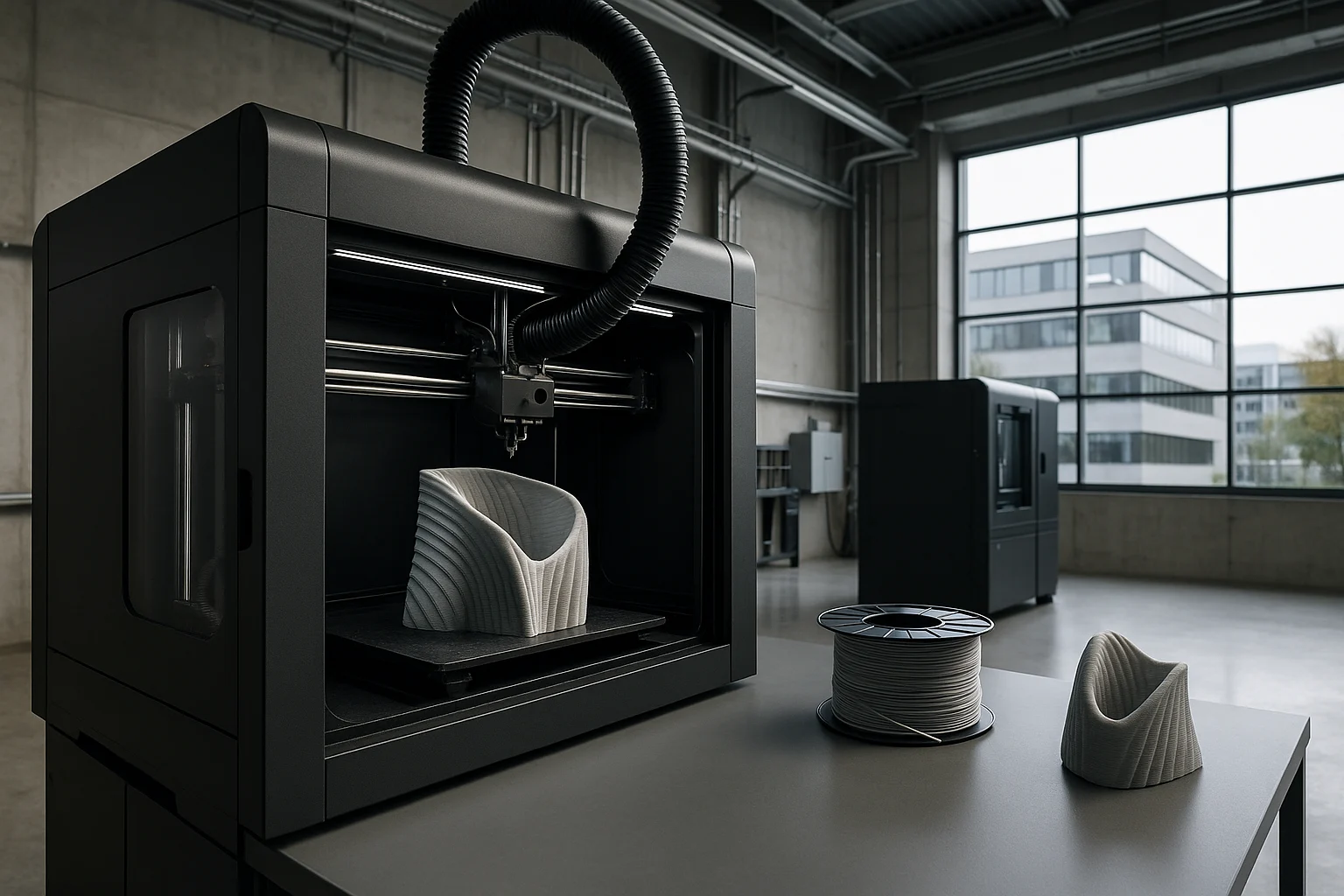
In recent years, 3D printing has emerged as a revolutionary technology in various sectors, and construction is no exception. With the potential to reduce waste, expedite timelines, and enhance design flexibility, 3D printing is transforming how structures are built. However, the successful integration of this technology into mainstream construction practices hinges on adherence to established global standards and codes. This article will explore the intricacies of 3D printing in construction, focusing on standards such as the Eurocode and American Concrete Institute (ACI), highlighting their implications for architects, engineers, builders, and real estate professionals.
Understanding 3D Printing in Construction
3D printing or additive manufacturing in construction involves layers of material being deposited to create three-dimensional structures. Unlike traditional construction methods that often involve subtractive processes, 3D printing builds objects layer by layer, leading to potential benefits such as:
- Reduced Material Waste: Only the necessary amount of material is used, minimizing wastage.
- Increased Design Flexibility: Complex shapes and structures can be produced that are often impractical for traditional methods.
- Faster Construction Timelines: Printing can significantly shorten the time needed to erect buildings.
- Cost Efficiency: Lower labor and material costs can lead to overall project savings.
The Role of Standards in 3D Printing
As the adoption of 3D printing technology in construction expands, compliance with local and international standards becomes imperative. These standards ensure safety, durability, and performance of structures built using 3D printing techniques. Key standards relevant to 3D printing in construction include:
- Eurocode: A set of European standards for the design of buildings and civil engineering works, addressing various materials and construction techniques.
- American Concrete Institute (ACI): Provides standards for the design and construction of concrete structures, crucial for 3D printed concrete.
- ISO ASTM 52900: The international standard for additive manufacturing that outlines the terminology and key principles of 3D printing processes.
- ASTM C1609: A standard test method for flexural performance of fiber-reinforced concrete, relevant for 3D printed concrete applications.
Eurocode and 3D Printing
The Eurocode is a suite of standards developed to harmonize the design and construction of buildings and civil engineering works within Europe. It encompasses several parts, each targeting specific materials and design approaches. Here’s how the Eurocode intersects with 3D printing:
- Part 1-1: General Rules: Provides fundamental design principles applicable to various materials utilized in 3D printing.
- Part 2: Design of Steel Structures: Addresses considerations for incorporating steel reinforcements in 3D printed structures.
- Part 3: Design of Concrete Structures: Crucial for 3D printed concrete, it emphasizes methods for calculating load-bearing capacity and structural integrity.
Real Implications of Eurocode in 3D Printing
Compliance with Eurocode ensures that 3D printed structures meet safety and performance criteria, thus enhancing public trust and acceptance. For example:
- Designers can utilize Eurocode provisions to determine necessary safety factors when applying 3D printed components.
- The standards provide guidelines for durability assessments of materials used in 3D printing.
- Engineers can avoid potential pitfalls by aligning their design practices with Eurocode's established principles.
American Concrete Institute (ACI) and its Relevance
The ACI is pivotal in establishing guidelines that govern concrete use in construction, which is essential for 3D printing technology focusing on concrete materials. Key ACI standards that intertwine with 3D printing include:
- ACI 318: Provides comprehensive structural design provisions for concrete structures, adaptable for 3D printing.
- ACI 546: Focuses on the repair of concrete structures, relevant when considering the lifecycle of 3D printed buildings.
Implications of ACI Standards in 3D Printing
Adherence to ACI standards facilitates:
- Ensures structural integrity and load capacity of 3D printed components, preventing catastrophic failures.
- Guides engineers in selecting appropriate mix designs for concrete used in 3D printing.
- Encourages innovation while maintaining safety standards, fostering confidence in novel construction methods.
ISO Standards and Their Influence
The ISO/ASTM 52900 standard is pivotal as it provides foundational terminology and principles for additive manufacturing. It serves as a reference point for organizations looking to adopt 3D printing technologies in construction. Key aspects include:
- Standardized definitions that promote clarity in communication across projects.
- Guidelines for process control, essential for maintaining consistent quality in printed materials.
Benefits of Adhering to Standards
Integrating 3D printing in construction while adhering to established standards presents numerous advantages:
- Quality Assurance: Standards provide benchmarks for performance and quality, ensuring reliable outcomes.
- Regulatory Compliance: Meeting local and international standards helps avoid legal challenges and enhances market acceptance.
- Enhanced Collaboration: Uniform standards facilitate better communication and coordination among stakeholders.
Challenges in Standard Adoption for 3D Printing
Despite the clear advantages, several challenges hinder the widespread adoption of standards in 3D printing:
- Lack of Awareness: Many professionals are still unfamiliar with applicable standards.
- Fast-Paced Technology Evolution: Rapid advancements in 3D printing technologies outpace the development of appropriate standards.
- Cost of Compliance: Initial investments in training and adhering to standards can deter smaller firms.
Conclusion
3D printing technology in construction undeniably heralds a new era of innovation, efficiency, and design flexibility. However, the successful implementation of this technology requires adherence to global and local standards. By understanding and complying with frameworks such as the Eurocode and ACI, professionals in the field of architecture, engineering, and real estate can ensure that the benefits of 3D printing are realized safely and effectively. As the industry continues to evolve, embracing these standards will be crucial in navigating the challenges and maximizing the opportunities presented by this cutting-edge technology.