A Comprehensive Guide to Sustainable Architecture Practices in 3021
Explore transformative sustainable architecture practices aimed at minimizing environmental impact and maximizing energy efficiency for a sustainable future.
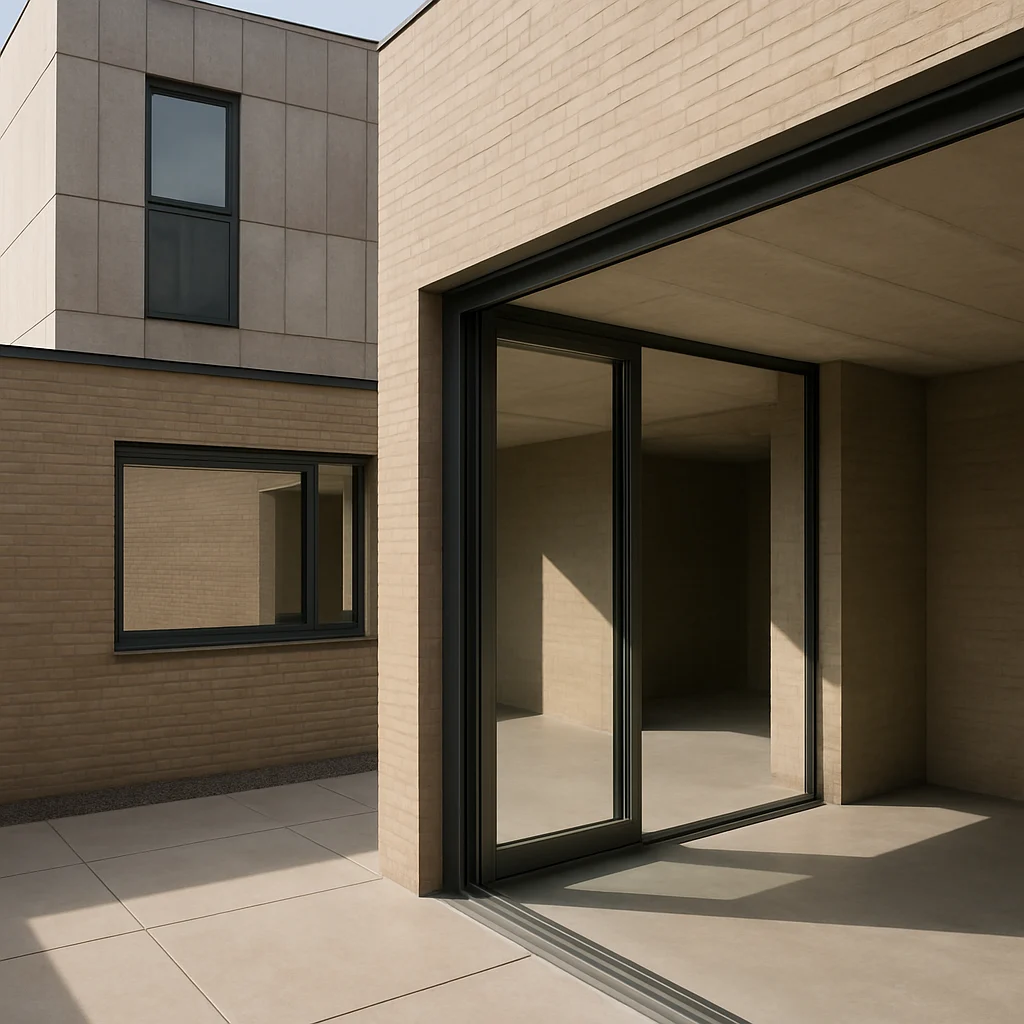
As the world progresses towards sustainability, architects, engineers, and builders face the pressing need to integrate eco-friendly practices into their projects. This guide outlines how to implement sustainable architecture practices tailored for the year 3021, focusing on minimizing environmental impact and maximizing energy efficiency.
1. Understand the Principles of Sustainable Architecture
Sustainable architecture is grounded in principles that seek to reduce the negative impacts on the environment. Here’s how to get started:
- Minimize Material Usage: Reduce waste by choosing materials wisely.
- Energy Efficiency: Design buildings to use less energy.
- Water Conservation: Implement systems to collect and reuse water.
- Indoor Environmental Quality: Ensure a healthy indoor environment for occupants.
2. Choose Eco-Friendly Materials
Material selection is critical for sustainable architecture. Prioritize these types of materials:
- Recycled Materials: Utilize materials that have been recycled or reclaimed.
- Local Resources: Source materials locally to reduce transportation emissions.
- Non-Toxic Products: Ensure the materials are free from harmful chemicals.
- Biodegradable Options: Choose materials that are biodegradable or have a low environmental impact.
3. Optimize Energy Efficiency
Energy efficiency starts with the design phase. Follow these steps:
- Passive Design: Utilize natural light and ventilation to reduce reliance on artificial heating and cooling.
- Building Orientation: Position buildings to take advantage of sunlight and wind patterns.
- Energy Efficient Systems: Integrate high-efficiency HVAC systems, lighting, and appliances.
4. Implement Renewable Energy Solutions
The integration of renewable energy sources is essential for reducing carbon footprints. Consider these options:
- Solar Panels: Install photovoltaic panels to generate electricity.
- Wind Turbines: Use small-scale wind turbines where applicable.
- Geothermal Heating: Leverage ground sources for heating and cooling systems.
5. Incorporate Water Management Strategies
Building designs should include effective water management systems:
- Rainwater Harvesting: Collect rainwater for irrigation and non-potable uses.
- Greywater Recycling: Reuse water from sinks and showers for toilet flushing.
- Native Landscapes: Use drought-resistant plants to minimize irrigation needs.
6. Design for Durability and Longevity
A sustainable building must not only be eco-friendly but also durable. Here’s how to ensure longevity:
- Scalable Design: Make buildings adaptable for future modifications.
- Quality Over Quantity: Invest in high-quality materials and finishes that last longer.
- Regular Maintenance: Create a maintenance plan to keep buildings in prime condition.
7. Foster Community Engagement
Involve the community in the design process to ensure the building meets local needs:
- Public Workshops: Host workshops to gather input from community members.
- Collaborative Projects: Partner with local organizations and stakeholders.
- Feedback Mechanisms: Establish channels for ongoing feedback post-completion.
Conclusion
Implementing sustainable architecture practices in 3021 is not just a trend; it is a necessity. By following the outlined steps, architects, engineers, and builders can significantly contribute to a more sustainable future. By prioritizing eco-friendly materials, optimizing energy efficiency, and engaging with communities, we can design buildings that not only meet today's needs but also ensure a healthier planet for future generations.
Checklist for Sustainable Architectural Practices
- ✔️ Understand and apply the principles of sustainable architecture.
- ✔️ Choose eco-friendly and local materials.
- ✔️ Optimize design for energy efficiency.
- ✔️ Implement renewable energy solutions.
- ✔️ Incorporate effective water management strategies.
- ✔️ Ensure durability and longevity in design.
- ✔️ Foster community engagement in the design process.