Balcony Design in Modern Buildings: Safety and Aesthetics
In modern architecture, balconies are far more than decorative additions. They are essential extensions of our living spaces, blurring the line between indoors and out. This guide explores the principles of modern balcony design, where structural safety and visual harmony are paramount.
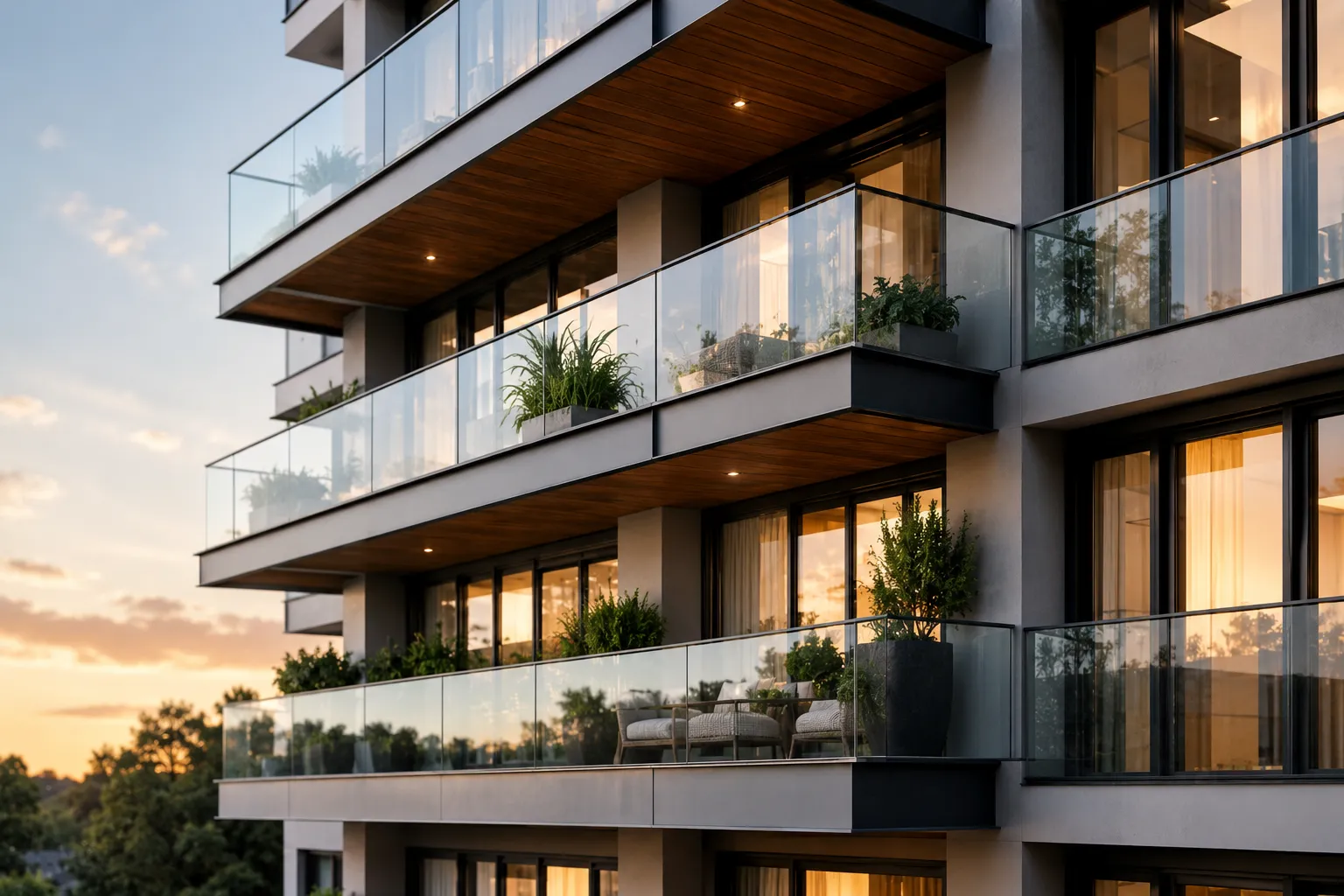
In modern architecture, balconies have evolved from simple overhangs into integral components of urban living. They are no longer mere afterthoughts but essential extensions of interior spaces, offering a private connection to the outdoors, enhancing natural light, and shaping a building’s visual identity. A successful balcony design is a masterful blend of engineering, safety, and aesthetic vision.
This transition reflects a growing demand for lifestyles that embrace outdoor comfort, even in dense cityscapes. For architects and developers, balconies add significant lifestyle and financial value, transforming a standard unit into a premium one. They are critical elements in a dynamic and responsive building façade design.
Why Balconies Matter in Modern Architecture
The role of the balcony extends far beyond its physical footprint. It serves as a crucial intermediary space that enhances occupant well-being and contributes significantly to the building's overall architectural narrative. This space is a response to the fundamental human need for fresh air and a connection to the environment.
Strategically placed balconies improve a building’s passive design performance by promoting natural ventilation and allowing daylight to penetrate deeper into interior spaces. This reduces reliance on artificial lighting and mechanical cooling, contributing to more sustainable living environments.
From a lifestyle perspective, a balcony offers a versatile space for relaxation, socializing, or container gardening. Aesthetically, it introduces depth, shadow, and rhythm to the exterior architecture, breaking up monolithic façades and creating a more engaging and humane building scale.
Key Elements of Modern Balcony Design
Effective balcony design integrates several key elements that must work in harmony. Each component, from the structural slab to the railing, plays a role in the balcony's functionality, safety, and visual appeal. The process begins with a clear understanding of the intended use.
Layout and dimensions are dictated by function. A small Juliet balcony serves a purely aesthetic and ventilating purpose, while a larger terrace-style balcony is designed for furniture and social gatherings. Proportions must be carefully considered relative to the adjoining room and the building's overall massing.
Railing systems are a dominant visual feature and a critical safety component. Modern balcony ideas often feature minimalist systems like frameless glass balustrades for uninterrupted views, slender vertical steel bars for a clean, linear look, or solid parapet walls that provide a greater sense of enclosure and privacy.
Flooring materials must be durable, weather-resistant, and aesthetically pleasing. Options range from classic concrete finishes to porcelain tiles, natural stone, or warm wood decking. The choice of material directly impacts maintenance requirements and the overall character of the outdoor space.
Finally, the integration with the building's façade is paramount. Balconies can be cantilevered to float dramatically from the building face, recessed to create protected loggias, or stacked in a uniform grid. Each approach profoundly influences the exterior architecture and the building's street presence.
Critical Balcony Safety Requirements
While aesthetics drive many design choices, balcony safety is a non-negotiable priority governed by strict building codes and engineering principles. A failure in any safety aspect can have catastrophic consequences, making this the most critical phase of the design process.
Structural load capacity is the primary consideration. Balconies must be engineered to support both 'dead loads' (the weight of the structure itself) and 'live loads' (the weight of people, furniture, snow, and other variable forces). These calculations are performed by a structural engineer to ensure the structure remains sound under all anticipated conditions.
Railing height and construction are rigorously regulated. In most jurisdictions, residential balcony railings must be at least 36 inches high, while commercial or multi-family buildings often require a minimum height of 42 inches. The design must also prevent climbing and ensure that any openings are small enough to prevent a small child from passing through.
While contemporary aesthetics often favor minimalist railings, these systems must meet stringent safety codes. Architects and designers frequently consult resources for modern architectural design ideas and building inspiration to see how leading firms creatively integrate these safety features without compromising the visual narrative.
Effective waterproofing and drainage are essential for the longevity of both the balcony and the building. Surfaces must be sloped away from the building to direct water to scuppers or drains, preventing water ingress that can lead to structural decay and interior damage. This is a fundamental aspect of a safe balcony design for modern buildings.
Flooring materials must also be slip-resistant, especially in climates with frequent rain or snow. Selecting materials with an appropriate coefficient of friction is a crucial step in preventing accidents and ensuring the space is safe to use in various weather conditions.
Innovative Materials in Modern Balcony Construction
Material selection is where vision meets reality in balcony design. Modern architecture leverages a diverse palette of materials to achieve specific structural feats and aesthetic goals, each with its own set of properties and maintenance needs.
Concrete remains a foundational material, prized for its strength, durability, and sculptural potential. It can be poured in place to create seamless extensions of a building’s floor plates or used as precast planks for faster construction. Its thermal mass can also be a benefit in certain climates.
Steel and glass systems define many contemporary balconies. Steel provides a strong yet slender framework for the structure, while laminated and tempered glass railings offer maximum transparency and a lightweight appearance. This combination is ideal for maximizing views and creating a feeling of openness.
For a warmer, more tactile finish, wood and composite materials are excellent choices for decking and cladding. Hardwoods like ipe and teak offer natural beauty and durability, though they require regular maintenance. Composite decking provides a low-maintenance alternative that mimics the look of wood without the risk of rot or splintering.
Design in Practice: Real-World Balcony Scenarios
Theory comes to life when applied to specific contexts. Examining different design scenarios reveals how the principles of safety, function, and aesthetics are balanced to meet unique project goals.
Minimalist Residential Balcony Design:
Consider a modern urban apartment where the primary goal is to extend the living space and capture city views. Here, a cantilevered concrete balcony with a frameless glass balustrade is a perfect solution. The seamless glass ensures the view remains the focal point, while large-format porcelain tiles on the floor create a smooth transition from the interior, visually expanding the room.
Commercial Luxury Apartment Balcony Concept:
In a high-end residential tower, the balcony becomes a true outdoor room. A recessed design, or loggia, offers greater protection from the elements and enhanced privacy. The design might incorporate a mix of materials, such as a solid privacy wall on one side, a sleek steel and cable railing on the other, and ipe wood decking underfoot. Integrated features like built-in planters, ambient lighting, and power outlets elevate its functionality for entertaining.
Common Balcony Design Mistakes and How to Avoid Them
Even with the best intentions, certain design flaws can compromise a balcony's safety, usability, and appearance. Awareness of these common mistakes is the first step toward avoiding them.
Poor drainage is one of the most severe errors, leading to pooling water, material degradation, and potential structural damage to the building. An insufficient slope or clogged drains are typical culprits that must be addressed in the initial design.
A lack of privacy can render a balcony unusable. Without considering sightlines from adjacent buildings or units, a space intended for relaxation can feel uncomfortably exposed. Solutions include frosted glass panels, strategically placed planters, or solid parapet walls.
Unsafe railings are an unacceptable hazard. This includes railings that are too low, have excessively wide gaps, or feature horizontal elements that create a ladder effect, posing a risk to children. Strict adherence to building codes is the only way to prevent this.
Finally, oversized or stylistically incongruous decorative elements can disrupt the building’s architectural harmony. A balcony should feel like a natural part of the overall design, not a tacked-on feature. Proportionality and material consistency are key.
Final Recommendations: Unifying Safety and Aesthetics
Creating a successful modern balcony is an exercise in disciplined integration. It requires a holistic approach where aesthetics and engineering are not seen as competing forces but as collaborative partners in achieving a singular vision.
The most important recommendation is to engage qualified professionals. A great balcony design is the product of a close collaboration between an architect, who shapes the vision and user experience, and a structural engineer, who ensures its integrity and safety.
Finally, consider the full lifecycle of the balcony. Choosing durable, high-quality materials and detailing them correctly will minimize long-term maintenance and ensure the space remains a safe, beautiful, and valuable asset for years to come.