Biophilic Design: The Science Behind Nature-Inspired Architecture That Heals
Biophilic environments can lower your blood pressure and boost your cognitive function. People spend more than 90% of their time indoors these days, which creates a substantial gap between us and t
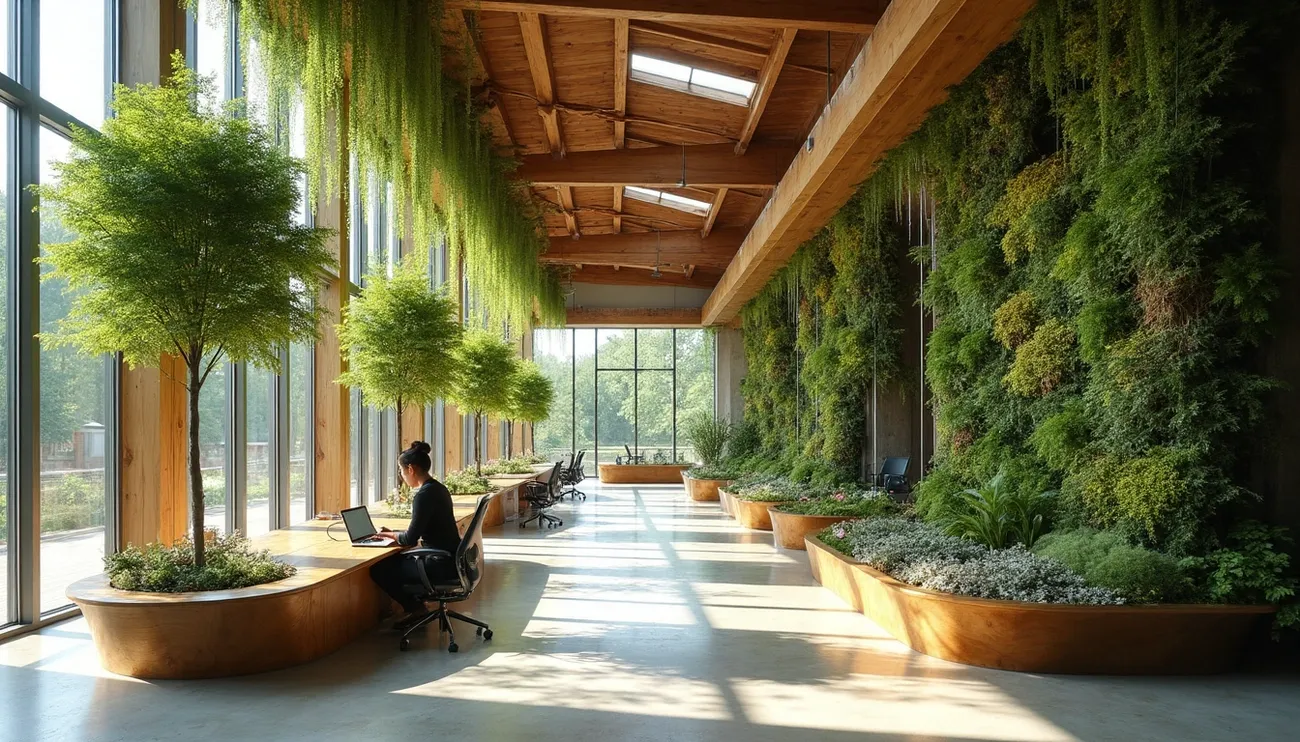
Biophilic environments can lower your blood pressure and boost your cognitive function. People spend more than 90% of their time indoors these days, which creates a substantial gap between us and the natural world our bodies need. The human brain's memory and attention improve by 20% after just an hour in nature.
Buildings in the United States consume 40% of energy, mostly from fossil fuels. Biophilic design provides a powerful solution that reconnects us with nature. This architectural and interior design approach goes beyond creating beautiful spaces - it boosts our health and wellbeing naturally. Research shows that people become happier, healthier, and more productive in spaces designed with biophilic principles. Studies reveal that indoor spaces with just 12% green coverage can substantially improve cognitive performance and reduce stress levels.
In this piece, we'll get into the fascinating science behind biophilic design and its core principles. You'll find how this nature-inspired approach changes buildings from energy consumers into spaces that heal both people and the planet.
 Image Source: BetterPros
 Image Source: DesignWanted
Biophilic architecture stands on three fundamental pillars that are the foundations of its design. These principles create spaces that strengthen our biological connection to the natural world, going beyond mere esthetic value.
The first pillar centers on direct experience of nature through physical elements. Natural light streams through carefully positioned windows and skylights. Water features appeal to multiple senses. Plants become integral parts of the space rather than simple decorations. Views of natural landscapes complete the experience. Research shows that hospital patients recover more quickly when their rooms overlook nature.
The second pillar builds on indirect experience of nature through representations and analogs. Designers use natural materials like wood and stone to bring nature indoors. Earth-tone colors and nature-inspired patterns create a natural feel. Natural geometries and fractals add depth when direct natural elements aren't possible. Materials age naturally and develop character over time, which appeals to our innate appreciation of natural processes.
The third pillar reflects the experience of space and place through nature's spatial patterns. Designers balance open views with cozy, sheltered spaces. They create detailed yet understandable patterns that add organized complexity. Smooth transitions connect different areas seamlessly. Local design elements help build cultural connections to the space.
Stephen Kellert identified five core principles that make biophilic design work. Nature should be a constant presence rather than scattered elements. Features should enhance human health. Spaces should create emotional connections. People should interact positively with nature. Architectural solutions should work together as one cohesive system.
Biophilic architecture takes a different approach from conventional design. Natural elements become essential components of the structure. The result is a multi-sensory environment that connects with our deep-rooted need to be close to nature.
Image Source: DesignWanted
Biophilic architecture stands on three fundamental pillars that are the foundations of its design. These principles create spaces that strengthen our biological connection to the natural world, going beyond mere esthetic value.
The first pillar centers on direct experience of nature through physical elements. Natural light streams through carefully positioned windows and skylights. Water features appeal to multiple senses. Plants become integral parts of the space rather than simple decorations. Views of natural landscapes complete the experience. Research shows that hospital patients recover more quickly when their rooms overlook nature.
The second pillar builds on indirect experience of nature through representations and analogs. Designers use natural materials like wood and stone to bring nature indoors. Earth-tone colors and nature-inspired patterns create a natural feel. Natural geometries and fractals add depth when direct natural elements aren't possible. Materials age naturally and develop character over time, which appeals to our innate appreciation of natural processes.
The third pillar reflects the experience of space and place through nature's spatial patterns. Designers balance open views with cozy, sheltered spaces. They create detailed yet understandable patterns that add organized complexity. Smooth transitions connect different areas seamlessly. Local design elements help build cultural connections to the space.
Stephen Kellert identified five core principles that make biophilic design work. Nature should be a constant presence rather than scattered elements. Features should enhance human health. Spaces should create emotional connections. People should interact positively with nature. Architectural solutions should work together as one cohesive system.
Biophilic architecture takes a different approach from conventional design. Natural elements become essential components of the structure. The result is a multi-sensory environment that connects with our deep-rooted need to be close to nature.
 Image Source: Gensler
The Science Behind Biophilic Design
Image Source: BetterPros
"Biophilia is not merely a luxury; it touches at the very core of what it means to be alive." — Edward O. Wilson, Biologist and author, pioneer of the biophilia hypothesisOur deep connection with nature and living systems stems from what E.O. Wilson called the "biophilia hypothesis" in 1984. This bond runs deeper than philosophy - it's embedded in our biology after countless generations of living in natural settings. Scientists have uncovered two key theories that explain nature's effects on our minds and bodies. Attention Restoration Theory (ART) shows how natural settings activate our effortless attention. This allows our focused attention to recharge when we feel mentally drained. Natural surroundings help preserve our cognitive resources better than built environments that demand constant focus. The Stress Recovery Theory (SRT) reveals how natural elements trigger our body's relaxation response. This activation reduces stress hormones and calms our nervous system. That's why a quick walk in nature can lower your blood pressure and ease anxiety. Brain imaging provides clear evidence of these benefits. Scientists found reduced activity in the amygdala - our brain's fear center - after people took a 60-minute nature walk versus an urban walk. Another study showed decreased blood flow in the prefrontal cortex after nature exposure, which linked to less mental rumination. Nature's benefits go beyond what we see. Research shows that combining sights and sounds of nature creates stronger positive effects. People's working memory, focus, and mental flexibility improved by 23-71% with natural sounds and 12-39% with visual elements. Scientists agree that we just need 120 minutes of nature exposure weekly to improve our wellbeing substantially. Biophilic design isn't just about making spaces look good - it's vital to support our thinking, emotions, and physical health. The best biophilic spaces include a variety of sensory experiences instead of focusing only on visual elements. These environments help restore our health by reconnecting us with our natural roots.
Core Principles of Biophilic Architecture
Image Source: DesignWanted
Biophilic architecture stands on three fundamental pillars that are the foundations of its design. These principles create spaces that strengthen our biological connection to the natural world, going beyond mere esthetic value.
The first pillar centers on direct experience of nature through physical elements. Natural light streams through carefully positioned windows and skylights. Water features appeal to multiple senses. Plants become integral parts of the space rather than simple decorations. Views of natural landscapes complete the experience. Research shows that hospital patients recover more quickly when their rooms overlook nature.
The second pillar builds on indirect experience of nature through representations and analogs. Designers use natural materials like wood and stone to bring nature indoors. Earth-tone colors and nature-inspired patterns create a natural feel. Natural geometries and fractals add depth when direct natural elements aren't possible. Materials age naturally and develop character over time, which appeals to our innate appreciation of natural processes.
The third pillar reflects the experience of space and place through nature's spatial patterns. Designers balance open views with cozy, sheltered spaces. They create detailed yet understandable patterns that add organized complexity. Smooth transitions connect different areas seamlessly. Local design elements help build cultural connections to the space.
Stephen Kellert identified five core principles that make biophilic design work. Nature should be a constant presence rather than scattered elements. Features should enhance human health. Spaces should create emotional connections. People should interact positively with nature. Architectural solutions should work together as one cohesive system.
Biophilic architecture takes a different approach from conventional design. Natural elements become essential components of the structure. The result is a multi-sensory environment that connects with our deep-rooted need to be close to nature.
Real-World Applications and Benefits
Image Source: Gensler
"Study nature, love nature, stay close to nature. It will never fail you." — Frank Lloyd Wright, Renowned architect, considered the father of organic architectureBiophilic design shows its true value when we look at how it affects environments of all types. People working in spaces with natural elements show 6% better productivity, 15% more creativity, and report a 15% higher level of wellbeing. Their stress levels also drop significantly—35% of students in biophilic classrooms reported high stress compared to 67% in conventional spaces. Nature-inspired classrooms deliver impressive educational results. Students show better academic performance, focus, and behavior while developing a love of learning. These spaces help them concentrate better, feel less anxious during tests, and score higher marks. Natural light combined with automatic shades helps students focus, and earth tones with green hues create a calm learning atmosphere. Healthcare facilities have seen remarkable results by adding biophilic elements. Patients surrounded by nature recover faster from surgery, need less pain medication, and maintain lower blood pressure. Research shows they heal more quickly, stay in hospitals for shorter periods, and have better survival rates. Healthcare staff in these environments experience less workplace stress, which leads to a 20% boost in emotional well-being. The benefits reach into urban spaces too:
- Physical health: Better fitness, improved cardiovascular health, and fewer illness symptoms
- Mental wellbeing: Less anxiety, depression, and stress; better mood and emotional balance
- Cognitive function: Better problem-solving, creativity, and attention span