Debunking Architecture Myths: Facts Every Engineer and Architect Should Know
Unraveling common misconceptions in architecture can lead to better design practices and informed decision-making. This article examines prevalent myths and contrasts them with factual insights to empower professionals in the field.
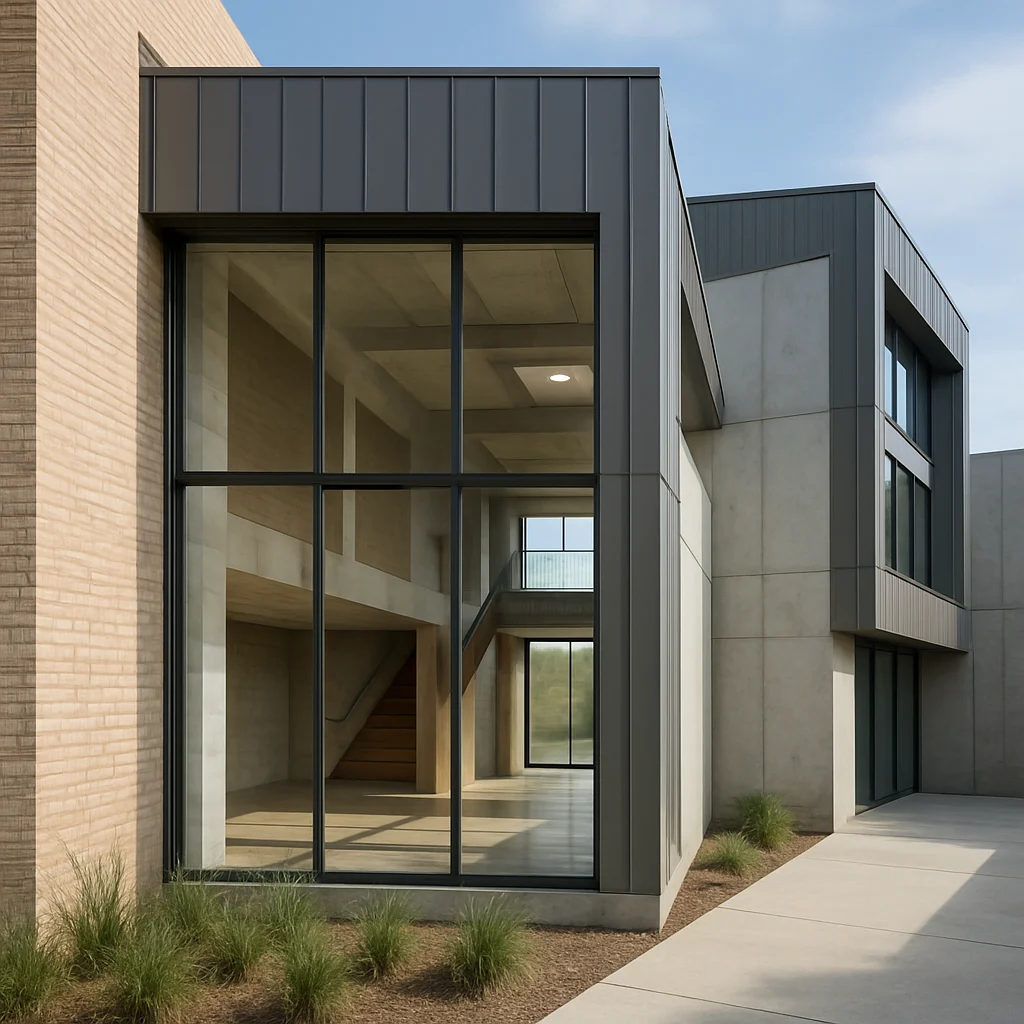
In the realm of architecture and engineering, misconceptions often permeate discussions, leading to inefficiencies and design flaws. Dispelling these myths is crucial for architects, engineers, builders, and real estate professionals who strive for excellence in their projects. This article explores several pervasive myths in the architecture field, contrasting each with factual insights that can enhance design practices and inform decision-making.
Myth 1: Sustainable Architecture is Always More Expensive
Fact: While the initial investment in sustainable materials and systems can be higher, the long-term savings from energy efficiency and reduced operational costs often outweigh these upfront expenditures. Studies have shown that sustainable buildings can reduce energy consumption by up to 50%.
Myth 2: Open Floor Plans are Ideal for Every Space
Fact: Open floor plans can promote a sense of spaciousness and social interaction, but they aren’t suitable for every environment. In locations where noise control and privacy are paramount—such as in offices or healthcare facilities—closed spaces may be more effective and lead to better occupant satisfaction.
Myth 3: Modern Architecture Lacks Character
Fact: Modern architecture doesn’t equate to a lack of character; rather, it reflects a different aesthetic approach. Many contemporary designs utilize innovative materials and forms that create unique visual identities. Architectural styles evolve, and modern designs can possess as much character as traditional styles, with a focus on minimalism and functionality.
Myth 4: Green Roofs are Ineffective in Cold Climates
Fact: Green roofs can provide insulation benefits in cold climates, helping to maintain indoor warmth and reducing heating needs. They also perform well in stormwater management and biodiversity promotion, making them valuable regardless of geography.
Myth 5: Architects Only Focus on Aesthetics
Fact: While aesthetics are a significant part of an architect’s job, they also prioritize functionality, sustainability, and compliance with local codes. Architects balance the artistic vision with practical, operational demands to create spaces that fulfill the needs of inhabitants while adhering to regulatory requirements.
Myth 6: Historical Architecture Cannot Incorporate Modern Technologies
Fact: Historical buildings can and do incorporate modern technologies through careful retrofitting and design adaptations. Integrating HVAC systems, energy-efficient windows, and renewable materials can enhance the performance of these structures while maintaining their historical integrity.
Myth 7: All Contractors are the Same
Fact: Contractors vary significantly in terms of specialization, capabilities, and quality of work. Selecting a contractor with a proven track record in specific types of projects is crucial, as their experience can dramatically affect the outcome of construction efforts.
Myth 8: A Larger Building Automatically Equals Better Functionality
Fact: Bigger isn’t always better. Building size must align with purpose and user needs. Efficient spatial design can culminate in greater functionality than mere size, optimizing the use of space while enhancing user experience.
Conclusion
Understanding the facts behind these architecture myths can empower professionals in the field to make more informed decisions during project planning and implementation. By continually challenging misconceptions and opting for data-driven design approaches, engineers, architects, builders, and real estate professionals can contribute to creating functional, sustainable, and aesthetically pleasing structures that truly meet the needs of their occupants. Knowledge is a powerful tool in shaping the built environment, and as we navigate the complexities of architecture, embracing truth over myth will lead the way toward innovation and excellence in design.