Exploring Courtyard Morphologies for Dense Housing in Germany
This in-depth interview with a leading architect explores the innovative design and implementation of courtyard morphologies in dense housing projects across Germany, highlighting their social, environmental, and aesthetic benefits.
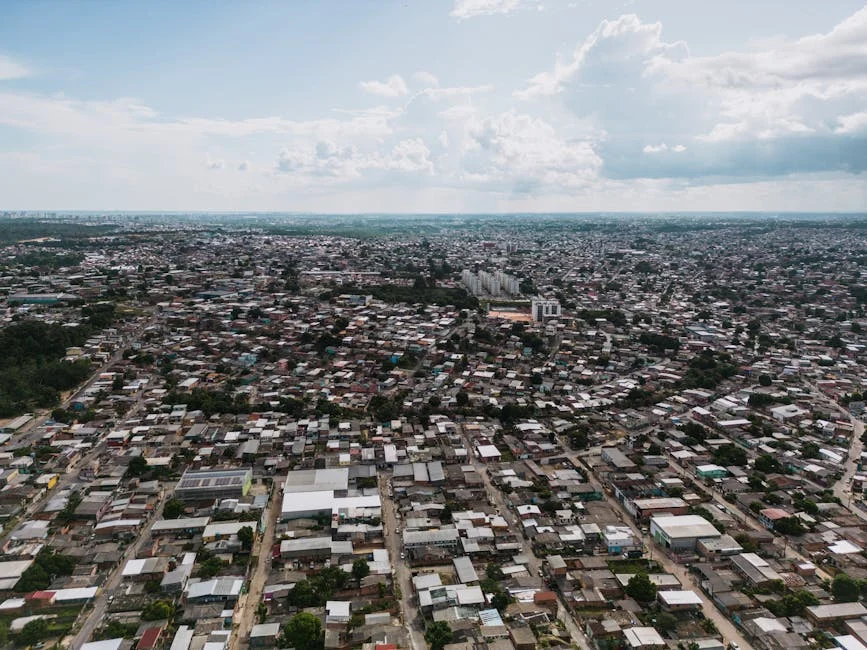
As urban areas continue to grow, especially in countries like Germany, the challenge of dense housing becomes increasingly pressing. This article features an insightful Q&A session with Dr. Anna Schneider, an acclaimed architect known for her work in sustainable urban design. We explore the role of courtyard morphologies in creating livable, efficient, and community-oriented housing solutions.
What Are Courtyard Morphologies?
Q: Dr. Schneider, can you explain what courtyard morphologies are and why they are significant in dense housing design?
Dr. Schneider: Courtyard morphologies refer to the various forms of enclosed or semi-enclosed outdoor spaces in building design. These are central courtyards surrounded by residential units, providing not just aesthetic value but also fostering community interaction. In dense urban settings like many cities in Germany, they serve as essential outdoor spaces for residents to engage with nature, socialize, and enjoy recreational activities.
How Do Courtyard Morphologies Enhance Community Living?
Q: In terms of social implications, how do these designs improve community living?
Dr. Schneider: Courtyards act as the heart of residential complexes. They create a shared space that encourages neighborly connections, reducing isolation commonly experienced in high-density living. By designing courtyards that are accessible and inviting, we can enhance social interactions among residents, which is increasingly important in urban areas.
Design Considerations for Courtyard Morphologies
Q: What key design considerations should architects keep in mind when implementing courtyard morphologies?
- Sunlight Access: Ensure adequate sunlight reaches the courtyard. This can be achieved by strategically positioning buildings and considering their height.
- Privacy: Configure unit designs to provide privacy for residents while still promoting a sense of community.
- Greenery: Incorporate landscaping that supports biodiversity and creates a pleasant environment for residents.
- Accessibility: Design pathways and access points that allow all residents, including those with disabilities, to enjoy the courtyard.
The Environmental Benefits of Courtyard Spaces
Q: What are the environmental implications of incorporating courtyard morphologies in housing?
Dr. Schneider: Courtyards can significantly improve urban biodiversity by providing habitats for various species. They also allow for the implementation of green roofs and walls, which aid in managing stormwater and reducing heat island effects—common problems in dense urban areas. Additionally, courtyards can help improve air quality by promoting natural ventilation.
Case Studies: Successful Implementations in Germany
Q: Could you provide examples of successful projects in Germany that have utilized courthouse morphologies?
Dr. Schneider: Certainly! One prominent example is the "Kreuzberger Courtyards" in Berlin. This project transformed old industrial spaces into vibrant residential areas with several interconnected courtyards, promoting community interaction and green space. Another example is the "HafenCity" in Hamburg, where several residential developments incorporate expansive courtyards and public green areas that bolster community engagement.
Moreover, these strategies are not only beneficial in urban environments but can also be adapted in suburban housing developments. They offer a balanced approach to addressing the housing crisis while creating healthy living environments.
Challenges in Designing Courtyard Morphologies
Q: What challenges do architects face when integrating courtyard morphologies into dense housing?
Dr. Schneider: One of the significant challenges is often the available space. In already dense settings, finding room for courtyards while maintaining sufficient living space can be tough. Additionally, developers may focus more on the number of units rather than the quality of living spaces. Another issue is the management and maintenance of these shared spaces, which requires a consensus among residents.
Future Trends in Courtyard-Based Housing
Q: Looking forward, what trends do you foresee in the architectural design of courtyard morphologies?
Dr. Schneider: We are likely to see a more integrated approach to architecture and landscape design. The future will focus on multifunctional courtyards that not only serve as social spaces but also as community gardens and areas for shared amenities like playgrounds or outdoor gyms. Technology will also play a role, with smart gardening solutions and apps to help residents engage with their environment more effectively.
Conclusion
The integration of courtyard morphologies in dense housing can significantly enhance urban living in Germany. Through the expertise of architects like Dr. Schneider, we see that these spaces can foster community, promote sustainability, and address the challenges posed by high-density living. Encouraging the proliferation of such designs can lead to a more vibrant, interconnected urban future.
