Innovative Facade Systems in Modern Architecture: A Comprehensive Comparison
Explore the evolution of facade systems in modern buildings across the USA. This article compares key technologies, materials, and techniques, providing invaluable insights for engineers, architects, and real-estate professionals.
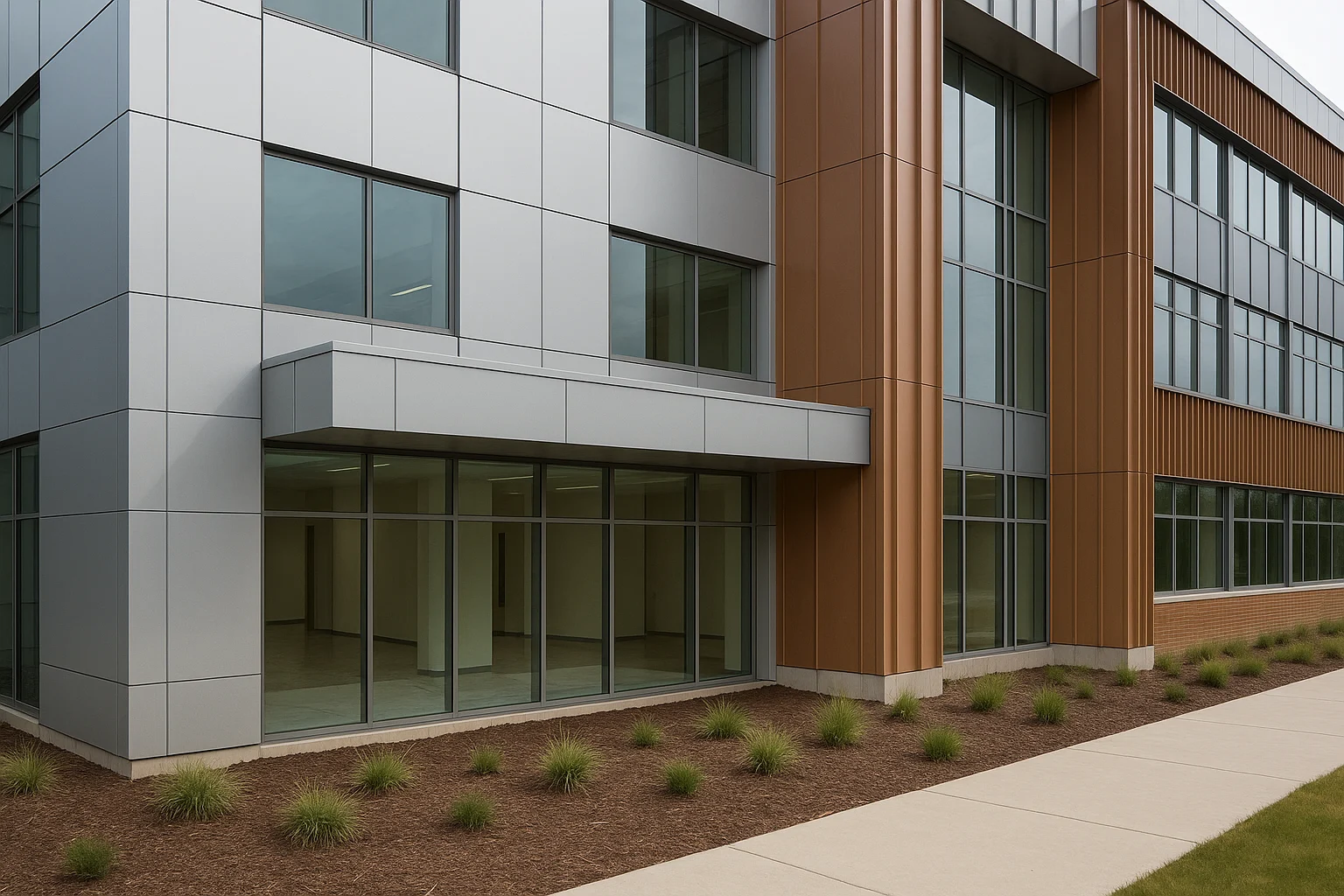
The facade of a building is more than just an exterior; it is crucial to its aesthetic appeal, energy efficiency, and structural integrity. In the USA, modern architecture has seen an increased focus on innovative facade systems that balance functionality with beauty. This article provides a deep dive into various facade systems, comparing their technologies, materials, design philosophies, and sustainability aspects to offer a well-rounded perspective for engineers, architects, builders, and real-estate professionals.
The Importance of Facade Systems
A facade serves multiple roles in a structure:
- Aesthetic Appeal: Facades contribute significantly to the visual identity of buildings.
- Energy Efficiency: Properly designed facades can reduce energy consumption by optimizing natural light and improving insulation.
- Weather Resistance: Facades protect buildings from weather elements, contributing to their longevity.
- Acoustic Performance: Effective facade systems can also act as sound barriers.
Types of Facade Systems
Modern architecture utilizes various facade systems. Below are some of the most notable types:
1. Curtain Wall Systems
Curtain wall systems are non-structural facades that are typically made of lightweight materials such as glass, aluminum, or other composites. They are anchored to the building’s structural frame but do not bear any load from the structure.
Advantages:
- Allows for large glass surfaces, enhancing natural light.
- Lightweight, reducing structural demands.
- High versatility in design.
Disadvantages:
- Poor insulation if not designed properly.
- Can be prone to water infiltration without proper detailing.
2. Ventilated Facades
Ventilated facades incorporate an air gap between the exterior cladding and the building itself. This gap allows for natural ventilation, helping to lower the temperature of the facade and improve energy efficiency.
Advantages:
- Improves thermal performance.
- Reduces moisture buildup behind the facade.
- Extends the lifecycle of materials used.
Disadvantages:
- More complex installation process.
- Higher initial costs due to the need for advanced materials.
3. Rainscreen Systems
Rainscreen systems include an outer layer that acts as a protective shield against rain while providing a drainage plane behind the cladding.
Advantages:
- Effectively protects structures from moisture.
- Can be built using various materials, including wood, metal, or composite materials.
- Improves energy performance through insulation integration.
Disadvantages:
- Requires precise installation to ensure proper drainage.
- Maintenance may be more demanding depending on the materials used.
4. Green Facades
Green facades utilize living plant materials, providing not just aesthetic appeal but also environmental benefits, such as improved air quality and thermal insulation.
Advantages:
- Enhances building aesthetics and promotes biodiversity.
- Offers natural insulation and cooling effects.
- Improves urban air quality.
Disadvantages:
- Requires ongoing maintenance and care.
- Potential structural loading issues that must be considered.
Comparative Analysis of Facade Systems
The following table summarizes the key attributes of the discussed facade systems:
| Facade System | Advantages | Disadvantages | Best Use Case |
|---|---|---|---|
| Curtain Wall | Large glass surfaces, lightweight | Poor insulation potential | High-rise commercial buildings |
| Ventilated Facade | Improved thermal performance | Complex installation | Residential and commercial buildings seeking energy efficiency |
| Rainscreen System | Effective moisture protection | Precise installation required | Heavy rainfall regions |
| Green Facade | Improves air quality, insulation | Requires maintenance | Urban settings aiming for sustainability |
Sustainability in Facade Systems
As the focus on sustainability grows within the architecture and engineering sectors, facade systems have also evolved to meet these challenges. Modern buildings often incorporate sustainable materials, energy-efficient technologies, and design strategies that minimize environmental impact. Adopting green facades is an example of how architects and engineers are addressing sustainability in their designs.
Energy-Efficient Technologies
Some facade systems are integrated with energy-efficient technologies, such as:
- Solar Panels: Facades that incorporate photovoltaic cells can generate renewable energy.
- Smart Glass: This technology can adapt to environmental changes, optimizing light and heat transmission.
- Insulated Panels: Advanced insulation materials can greatly enhance energy retention in buildings.
Conclusion
The choice of facade system significantly impacts the overall performance and sustainability of a building. As architects and engineers navigate the complexities of modern building requirements, understanding the diverse range of facade systems available is essential. Each facade type offers unique benefits and limitations, and selecting the right system will depend on project-specific criteria, including climatic conditions, architectural vision, and sustainability goals. By leveraging innovative facade technologies, professionals can contribute to the creation of buildings that are not only aesthetically pleasing but also energy-efficient and sustainable.