Mass Timber Hybrid Frames: Myths vs. Facts in Connection Detailing
This article debunks common myths about mass timber hybrid frames and their connection detailing, providing a comprehensive overview for professionals in architecture and construction in Germany.
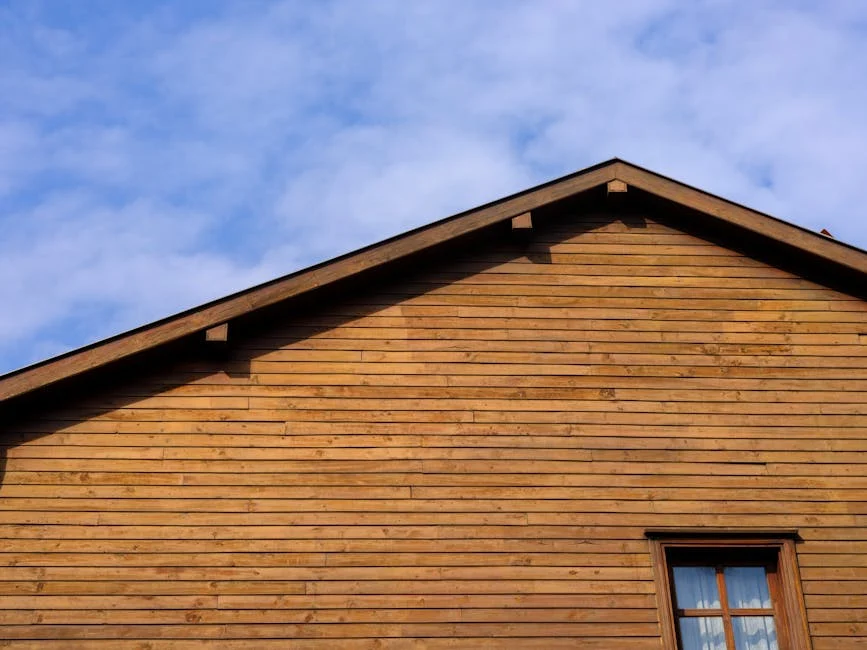
In recent years, mass timber hybrid frames have gained considerable traction in architecture and engineering, particularly in regions like Germany where sustainable construction practices are becoming more mainstream. However, there are still many misconceptions surrounding their use and detailing that can lead to misunderstandings in design and implementation. This article seeks to clarify these misconceptions through a myth versus fact structure, providing architects, engineers, builders, and real estate professionals with clear, practical insights into mass timber hybrid frames.
Myth 1: Mass Timber is Not as Strong as Steel or Concrete
Many in the construction industry believe that mass timber lacks the structural integrity of traditional materials like steel or concrete. This myth stems from a misunderstanding of wood properties and advancements in engineering.
- Fact: Mass timber, particularly engineered wood products like CLT (Cross Laminated Timber) and glulam (Glue Laminated Timber), offers significant strength and stiffness, often surpassing traditional wood framing methods.
- Innovative engineering techniques enable mass timber to bear loads comparable to steel and concrete structures, making it a viable alternative in many applications.
Myth 2: Connection Detailing in Mass Timber is Complicated and Costly
Another prevalent myth is that the connection detailing for mass timber frames is overly complex and leads to increased costs. This perception often deters builders from employing hybrid designs.
- Fact: While connection detailing requires careful consideration, modern design software and solutions such as bespoke connectors simplify the process significantly.
- By utilizing standardized components, connection detailing can be as efficient and cost-effective as traditional framing, reducing labor and material waste.
Myth 3: Mass Timber is Only Suitable for Low-Rise Buildings
There is a common belief that mass timber is restricted to low-rise applications due to perceived limitations in height and building codes.
- Fact: Architectural advancements have enabled mass timber structures to reach significantly taller heights. For instance, skyscraper designs utilizing mass timber are emerging, and recent changes in building regulations are accommodating such innovations.
- Hybrid frames combining timber with steel or concrete maximize height potential while maintaining structural safety and integrity.
Myth 4: Cost of Mass Timber is Always Higher than Traditional Materials
Many decision-makers assume that using mass timber invariably leads to higher overall project costs compared to traditional materials.
- Fact: The initial cost of mass timber may be higher; however, the lifecycle costs, including energy efficiency and reduced construction time, often offset this initial investment. Studies show that mass timber leads to shorter construction timelines which can result in significant savings.
- Incentives for sustainable construction can further enhance the economic viability of mass timber projects, making them competitive against traditional methods.
Myth 5: Mass Timber Lacks Fire Safety
One of the most persistent myths is that mass timber presents significant fire safety risks compared to other building materials.
- Fact: Mass timber is actually designed to perform well in fire scenarios. The charring of timber slows down the burning process, providing critical fire resistance.
- Regulatory codes for mass timber structures are evolving, incorporating advanced designs and technologies that enhance fire safety, making them comparable to steel and concrete structures.
Myth 6: The Environmental Impact of Mass Timber is Overrated
With the growing emphasis on sustainability, some critics argue that the environmental benefits of mass timber are overstated.
- Fact: Wood is a renewable resource that sequesters carbon dioxide throughout its lifecycle. Sustainable forest management practices ensure that mass timber contributes positively to the environment.
- Moreover, mass timber's lightweight nature reduces transportation emissions, and its thermal properties lead to lower energy consumption in buildings.
Conclusion
Mass timber hybrid frames represent a progressive shift in modern architectural practices, merging sustainability with innovative engineering. Understanding and addressing the myths surrounding mass timber and its connection detailing is critical for architects, engineers, and builders looking to adapt to this evolving industry. By debunking these misconceptions, we can pave the way for broader acceptance and implementation of mass timber in Germany’s construction landscape, ultimately leading to more sustainable, resilient, and aesthetically pleasing structures.

As the industry continues to innovate, remaining informed about the realities of mass timber will empower professionals to make educated decisions about their projects and designs.