Maximizing Daylight Autonomy and Glare Control in Office Architecture
This comprehensive guide explores advanced techniques for achieving daylight autonomy and effective glare control in office environments, aimed at enhancing occupant comfort and energy efficiency.
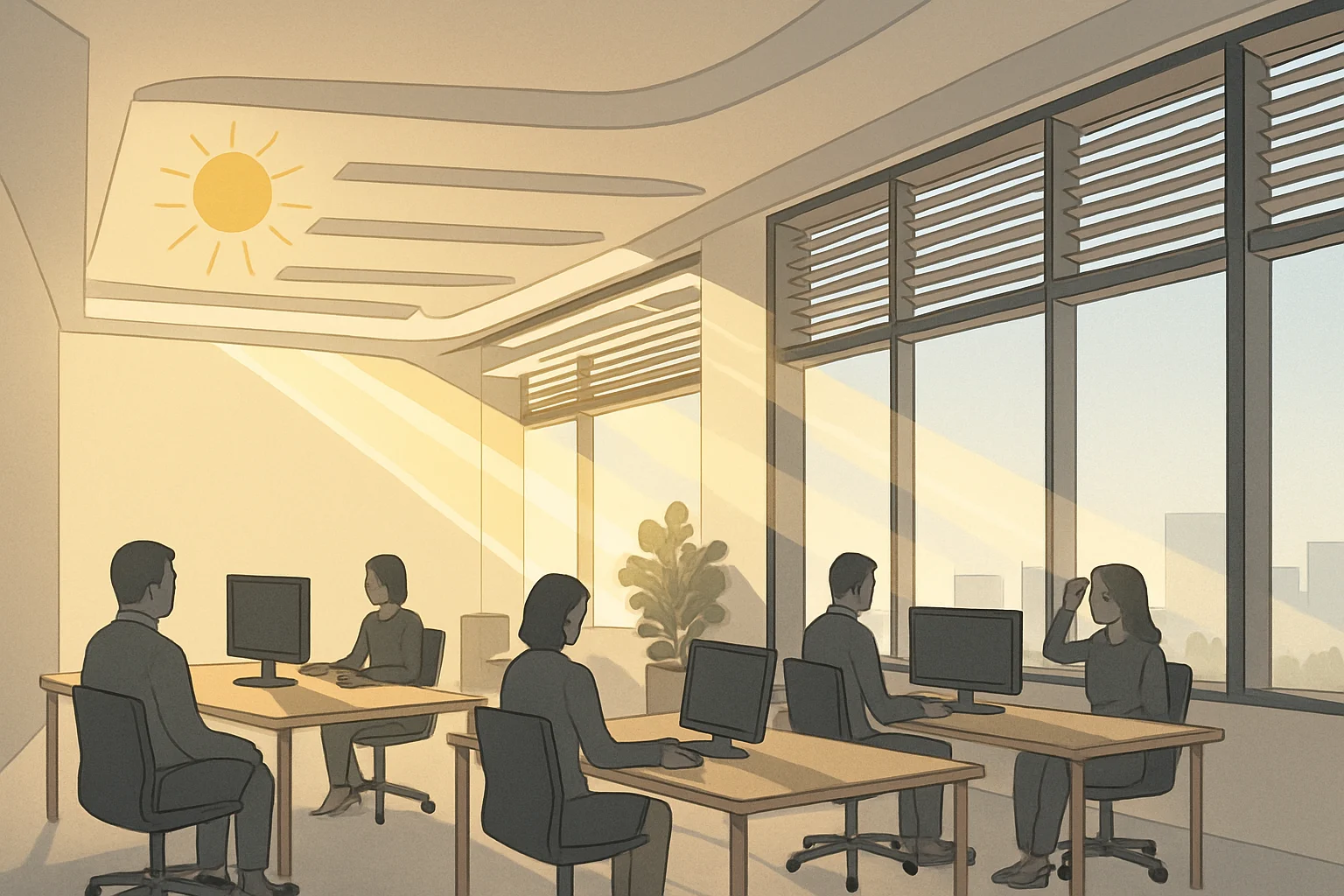
In contemporary architecture, the integration of natural daylight into office buildings has become a pivotal design element. This shift stems from a growing recognition of the benefits that daylight brings, including enhanced productivity, improved mood, and energy savings. However, achieving optimal daylight autonomy while effectively controlling glare presents significant challenges. This article offers a detailed exploration of strategies to maximize daylight autonomy and mitigate glare in office environments, serving as a valuable resource for practicing engineers, architects, and builders.
Understanding Daylight Autonomy
Daylight autonomy (DA) refers to the ability of a space to maintain adequate illumination using natural light during daylight hours, minimizing reliance on artificial lighting. Improving daylight autonomy can lead to substantial energy savings and elevate occupant satisfaction. Several factors influence daylight autonomy, including:
- Building orientation and location
- Window size and placement
- Room geometry and internal configurations
- Seasonal changes in daylight availability
For office spaces, achieving high daylight autonomy is particularly beneficial, as employees perform better in well-lit environments. Studies indicate that natural light can positively influence cognitive functions, enhancing overall productivity. To optimize daylight availability, architects often employ various strategies, which include:
- Utilizing Large Windows: Increasing the size and number of windows allows more daylight to penetrate deeper into the workspace.
- Skylights and Light Tubes: Installing skylights on rooftops can provide additional daylight, especially in central or windowless areas.
- Clerestories: Elevated windows can bring in indirect daylight and reduce glare while enhancing daylight autonomy.
Implementing these techniques in the design phase can significantly enhance daylight autonomy in office environments. However, as daylight levels increase, so does the potential for glare, necessitating effective glare control measures.
Glare in Office Environments
Glare occurs when there is excessive brightness in the field of vision that can lead to discomfort and visual impairment. It is critical for architects and engineers to consider glare when designing office spaces. The consequences of glare include:
- Reduced visual performance
- Increased eye strain
- Negative impacts on mood and productivity
To mitigate glare effectively, several strategies can be employed:
1. Orientation and Window Placement
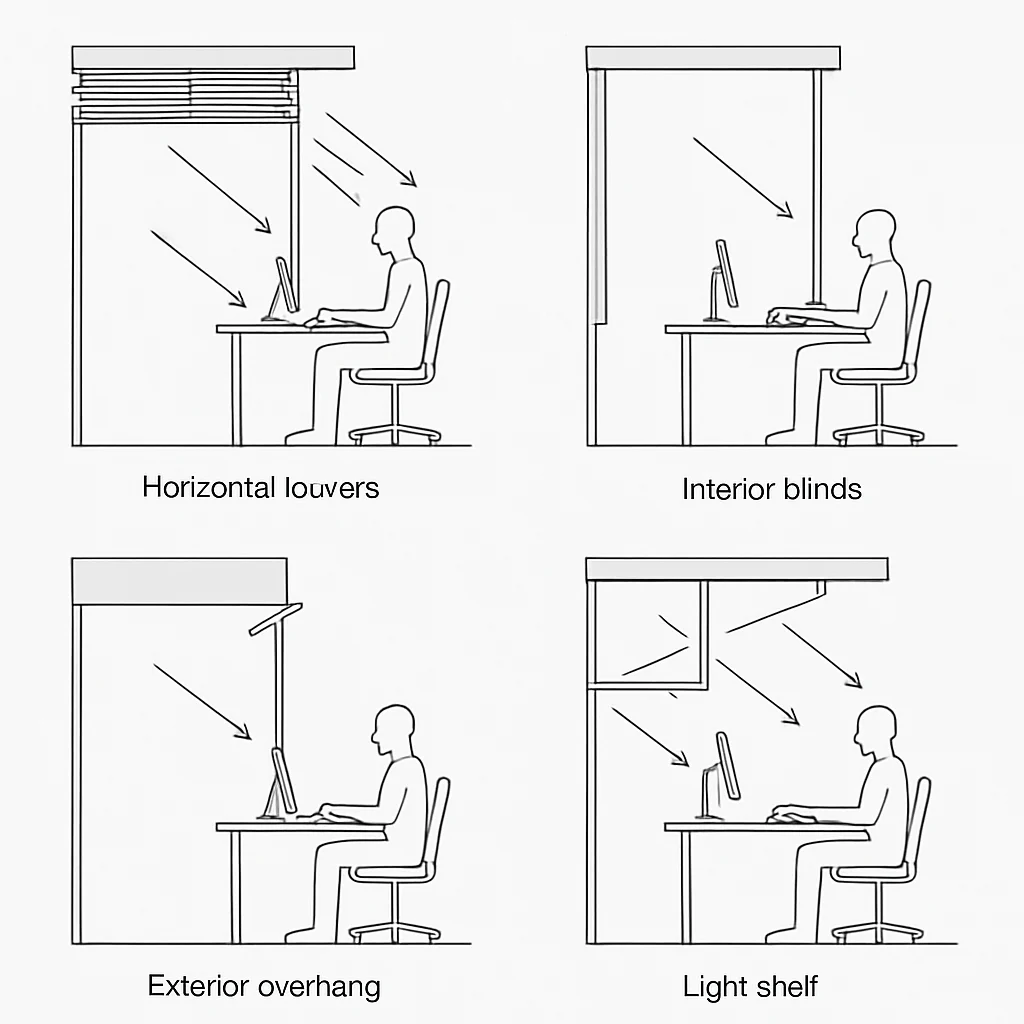
Strategic placement of windows can minimize direct sunlight exposure. South-facing windows may require overhangs or light shelves to diffuse sunlight and reduce glare.
2. Use of Control Devices
Installing adjustable shading devices, such as blinds, shades, or louvers, allows occupants to modulate incoming light based on their comfort needs. Such devices can be automated to respond to daylight levels throughout the day.
3. Glare-Reducing Window Films
Applying specialized window films can significantly reduce glare and heat gain while maintaining visibility. These films can be designed to reflect UV rays and reduce solar gain, preserving energy efficiency.
4. Surface Materials and Colors
Selecting appropriate materials and colors for walls, ceilings, and furniture can soften and diffuse light. Lighter colors tend to reflect more light, while darker materials absorb significant light but can lead to increased glare if not appropriately managed.
Design Case Studies and Best Practices
Examining successful projects can provide insights into best practices for achieving daylight autonomy and glare control. The following case studies illustrate innovative approaches:
1. The Edge, Amsterdam
This office building is often cited as one of the greenest in the world, featuring extensive glazing and a sophisticated shading system. Its design encourages natural ventilation and optimized daylight utilization while maintaining comfort and reducing glare.
2. Bullitt Center, Seattle
This Living Building Challenge project utilizes ample daylighting methods, including operable windows and high-performance glazing. Its careful design addresses both daylight autonomy and glare reduction through strategic shading solutions.
3. Bosco Verticale, Milan
These residential towers incorporate vegetation to filter light and reduce glare while offering residents ample natural daylight. The dual approach to aesthetics and functionality serves as a model for modern office design.
Tools and Technologies for Assessment
Assessing daylight autonomy and glare control requires advanced tools and technologies. Some of the most commonly used include:
- Daylight Simulation Software: Programs like Radiance and Ecotect allow designers to simulate natural light and analyze its impact on interior environments.
- Lighting Design Software: Lighting analysis tools assist in evaluating glare and developing solutions to improve visual comfort.
- Photometric Testing: Conducting real-world photometric testing helps assess the effectiveness of design choices and informs adjustments.
Conclusion
Maximizing daylight autonomy while controlling glare is an essential consideration in modern office architecture. Through thoughtful design approaches and innovative technologies, architects and engineers can enhance occupant comfort and satisfaction while reducing energy consumption. By integrating natural light effectively, we pave the way for healthier and more productive work environments.