Myths and Facts About Low-Carbon Material Palettes and Interior Health in Architecture
Discover the truths and misconceptions surrounding low-carbon materials and their impact on interior health within the realm of architecture in the EU.
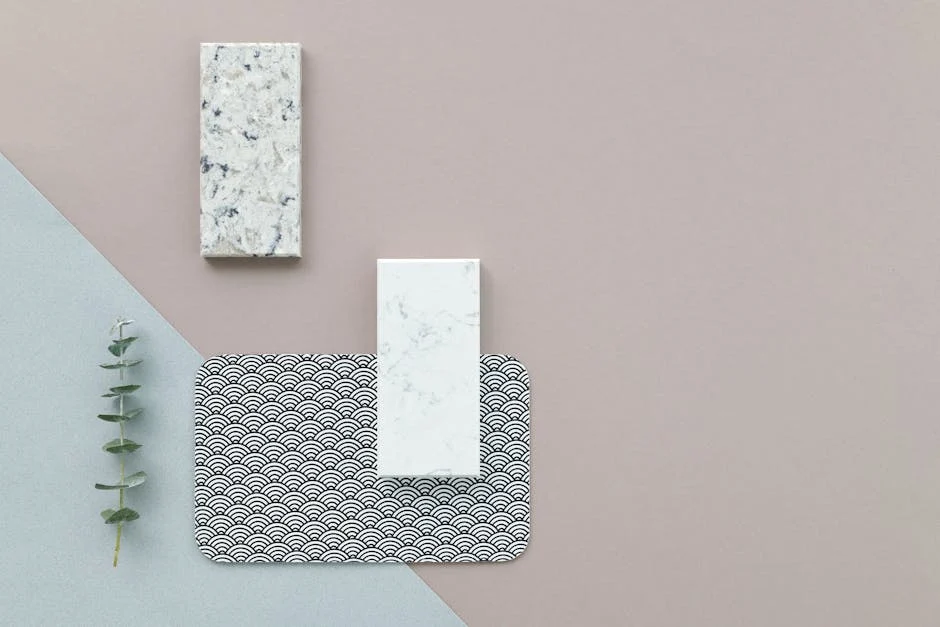
As the architectural industry evolves, so does the emphasis on sustainable practices and materials. In the European Union (EU), architects and engineers are increasingly turning to low-carbon material palettes as a means of promoting environmental stewardship and improving indoor health. However, with this shift comes a series of misconceptions that can sway design decisions and project outcomes. This article aims to clarify these misconceptions through a myth vs. fact format, helping professionals in the field make informed choices.
Understanding Low-Carbon Materials
Low-carbon materials are those that contribute to reduced carbon emissions in their life cycle, from production to disposal. These materials are essential in combating climate change and reducing the overall environmental impact of buildings. Common examples include timber, bamboo, recycled metals, cork, and bio-based materials.
Myth 1: Low-Carbon Materials Are Always More Expensive
Fact: The initial cost of low-carbon materials can be comparable to traditional materials. While some may be priced higher, the long-term savings in energy costs, maintenance, and disposal can make them economically viable.
- Many low-carbon materials are sourced locally, reducing transportation costs.
- Government incentives and subsidies for sustainable building can offset initial expenses.
Myth 2: Low-Carbon Materials Compromise Durability
Fact: Contrary to popular belief, many low-carbon materials are robust and durable. For example, engineered wood products can perform as well as traditional concrete or steel structures.
- New technologies have enhanced the performance of sustainable materials.
- Natural materials like stone and bamboo have proven longevity if properly maintained.
Myth 3: Using Low-Carbon Materials Affects Indoor Air Quality
Fact: Many low-carbon materials improve indoor air quality rather than detract from it. Unlike some synthetic materials, which can emit volatile organic compounds (VOCs), natural materials have lower emissions.
- Materials like clay and lime can actively absorb and neutralize pollutants.
- Studies show that natural materials can contribute to a healthier indoor environment, promoting well-being.
Myth 4: Low-Carbon Buildings Lack Aesthetic Appeal
Fact: Aesthetic value is preserved and often enhanced with the use of low-carbon materials. Designers are increasingly finding innovative ways to showcase these materials aesthetically.
- Timber can add warmth and character, while bamboo creates a unique visual interest.
- Modern design trends favor natural materials, blending functionality with beauty.
Myth 5: The Performance of Low-Carbon Materials is Unreliable
Fact: Advances in technology and research have validated the performance of low-carbon materials across a range of applications. Various certifications and standards ensure that these materials meet the performance criteria required for construction.
- Materials undergo rigorous testing and certification processes in the EU.
- Many low-carbon options also improve thermal efficiency, contributing to energy savings.
Myth 6: Implementing Low-Carbon Strategies is Too Complex
Fact: While transitioning to low-carbon materials may require changes in design approaches, numerous resources and support systems exist to guide architects and builders. Collaboration within the industry can streamline the process.
- Training and workshops on sustainable practices are readily available.
- Professional networks often provide resources and case studies showcasing successful low-carbon projects.
Conclusion
Making the shift to low-carbon material palettes does not only align with regulatory trends in the EU but also contributes to a healthier indoor environment. Breaking down the myths surrounding these materials allows architects, engineers, builders, and real-estate professionals to make informed choices that benefit both the environment and occupant health. By embracing the reality of low-carbon materials, we can pave the way toward a more sustainable future in architecture.

Ultimately, promoting awareness and understanding among stakeholders about the benefits of low-carbon materials is essential for fostering innovation and compliance within the architectural landscape of the EU.