Reinterpreting Vernacular Materials in High-Rise Architecture: A Journey Towards Sustainable Urban Developments
This article delves into the innovative use of vernacular materials in high-rise architecture, illustrating their environmental benefits and connection to local culture while emphasizing sustainable design.
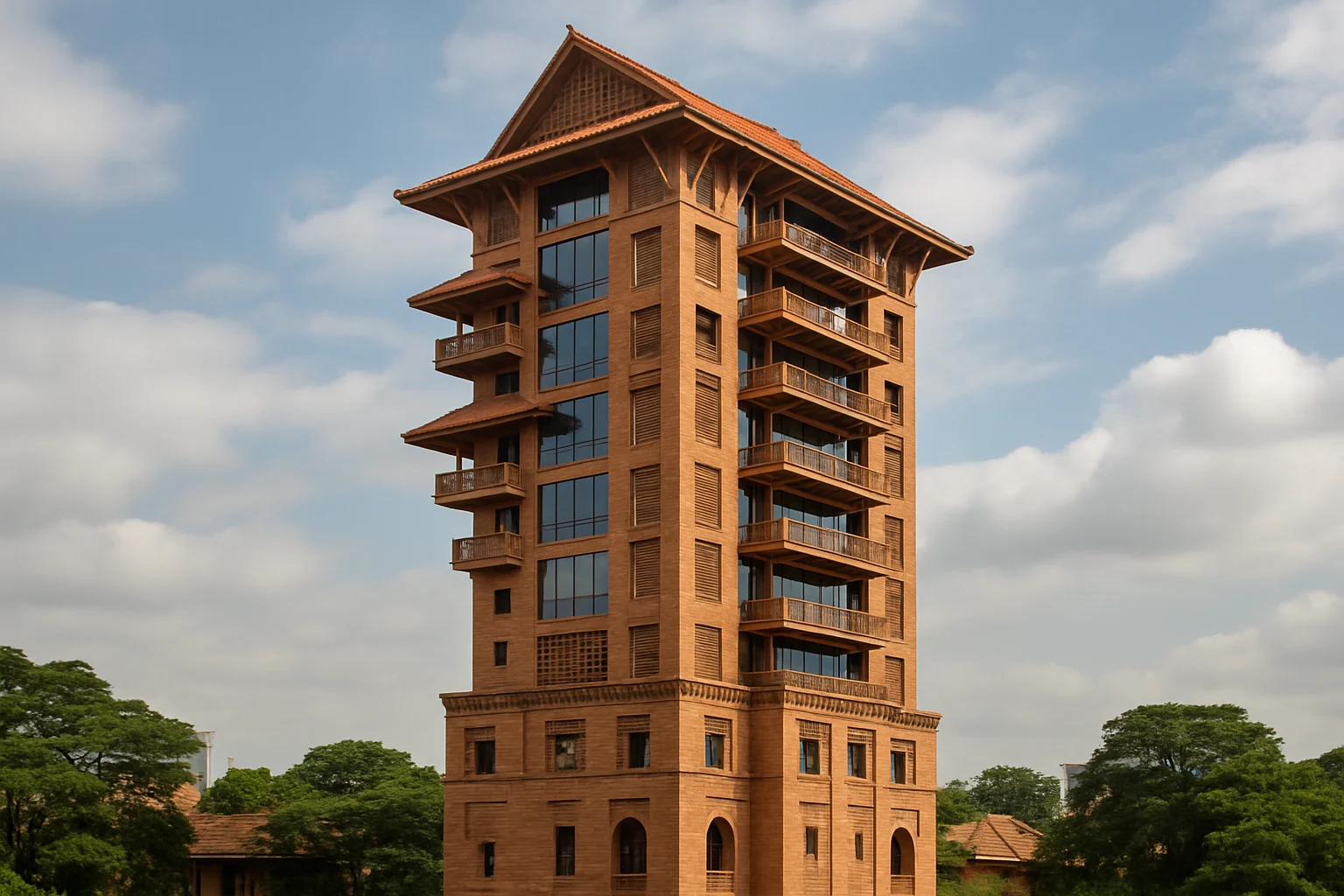
As urban landscapes evolve, the demand for high-rise buildings continues to grow. These structures not only provide necessary housing and commercial space but also contribute to the urban skyline. However, the challenge lies in ensuring that these tall structures resonate with local culture and environmental sustainability. In this article, we explore how vernacular materials can be reinterpreted and integrated into high-rise architecture to create buildings that are not only functional but also reflective of their cultural surroundings.
The Concept of Vernacular Architecture
Vernacular architecture refers to the traditional building styles that are specific to a given region, developed through generations, and often utilize locally sourced materials. These structures embody the cultural, climatic, and typological elements of their locales. Key features of vernacular architecture include:
- Local Material Utilization: Buildings are constructed from resources readily available in the area, such as timber, clay, stone, and straw.
- Adaptation to Climate: Designs are tailored to suit regional climates, optimizing natural heating and cooling strategies.
- Community-Centric Design: Structures often reflect the social and cultural practices of the communities they serve.
The Case for Integrating Vernacular Materials in High-Rise Structures
With the rise in popularity of sustainable architecture, there is a growing recognition of the benefits of integrating vernacular materials into high-rise designs. Here are key reasons why this approach is advantageous:
- Environmental Benefits: Using local materials significantly lowers the carbon footprint associated with transportation and extraction.
- Cultural Identity: High-rise buildings that incorporate local materials and styles resonate with the cultural identity of the region, fostering a sense of belonging among residents.
- Economic Viability: Leveraging local resources can reduce project costs, supporting regional economies and craftspeople.
Innovative Examples of Vernacular Material Use in High-Rise Architecture
Several contemporary high-rise projects exemplify the innovative use of vernacular materials:
The Bosco Verticale (Vertical Forest), Milan
The Bosco Verticale comprises two residential towers adorned with diverse plant species, providing natural insulation and improving air quality. The use of local plants and materials adapts well to Milan's climate while enhancing biodiversity.
The Al Bahar Towers, Abu Dhabi
These towers utilize a traditional Islamic architectural feature called the Mashrabiya, which serves as a dynamic sun-shading device while allowing for natural ventilation. The incorporation of this vernacular element not only provides climatic comfort but also pays homage to the region's cultural heritage.
La Vaguada Green Roof Towers, Madrid
This design integrates traditional Spanish materials, such as terracotta and adobe, with modern high-rise concepts. Green roofs filled with native plants help regulate building temperature, enhancing sustainability while preserving local aesthetics.

Challenges and Considerations in Implementing Vernacular Materials
While the benefits of using vernacular materials in high-rise architecture are clear, several challenges can arise, including:
- Regulatory Hurdles: Building codes and regulations may not accommodate unconventional materials or aesthetics, necessitating a careful navigation of legalities.
- Material Availability: The availability of local materials can vary, potentially leading to inconsistencies in quality and performance.
- Perception and Acceptance: Stakeholders, including investors and residents, may initially resist designs that diverge from contemporary high-rise aesthetics.
Future Directions and Innovations
Advancements in technology and construction techniques can help overcome the challenges associated with using vernacular materials in high-rise architecture. Some potential future directions include:
- 3D Printing: Utilizing 3D printing technology to create custom components from local materials can enhance design flexibility while minimizing waste.
- Biomimicry: Emulating nature's designs can lead to innovative material solutions that align with sustainability goals.
- Smart Materials: Developing high-performance materials that mirror traditional aesthetics can bridge the gap between modern functionality and cultural resonance.
Conclusion
Reinterpreting vernacular materials in high-rise architecture presents a unique opportunity to develop structures that harmonize with the environment and reflect local culture. As urban areas continue to grow, incorporating traditional building practices and materials enables architects and engineers to forge a more sustainable and culturally enriched future. The journey towards this integration demands creativity, research, and collaboration among stakeholders, but the potential rewards for communities and the environment are immeasurable.