Understanding Minimalist Architecture Principles: Myths vs Facts
Explore the essential principles of minimalist architecture by distinguishing between common myths and the factual realities that define this design philosophy in the EU region. This article is tailored for architects, engineers, and real estate professionals seeking clarity on minimalist approaches.
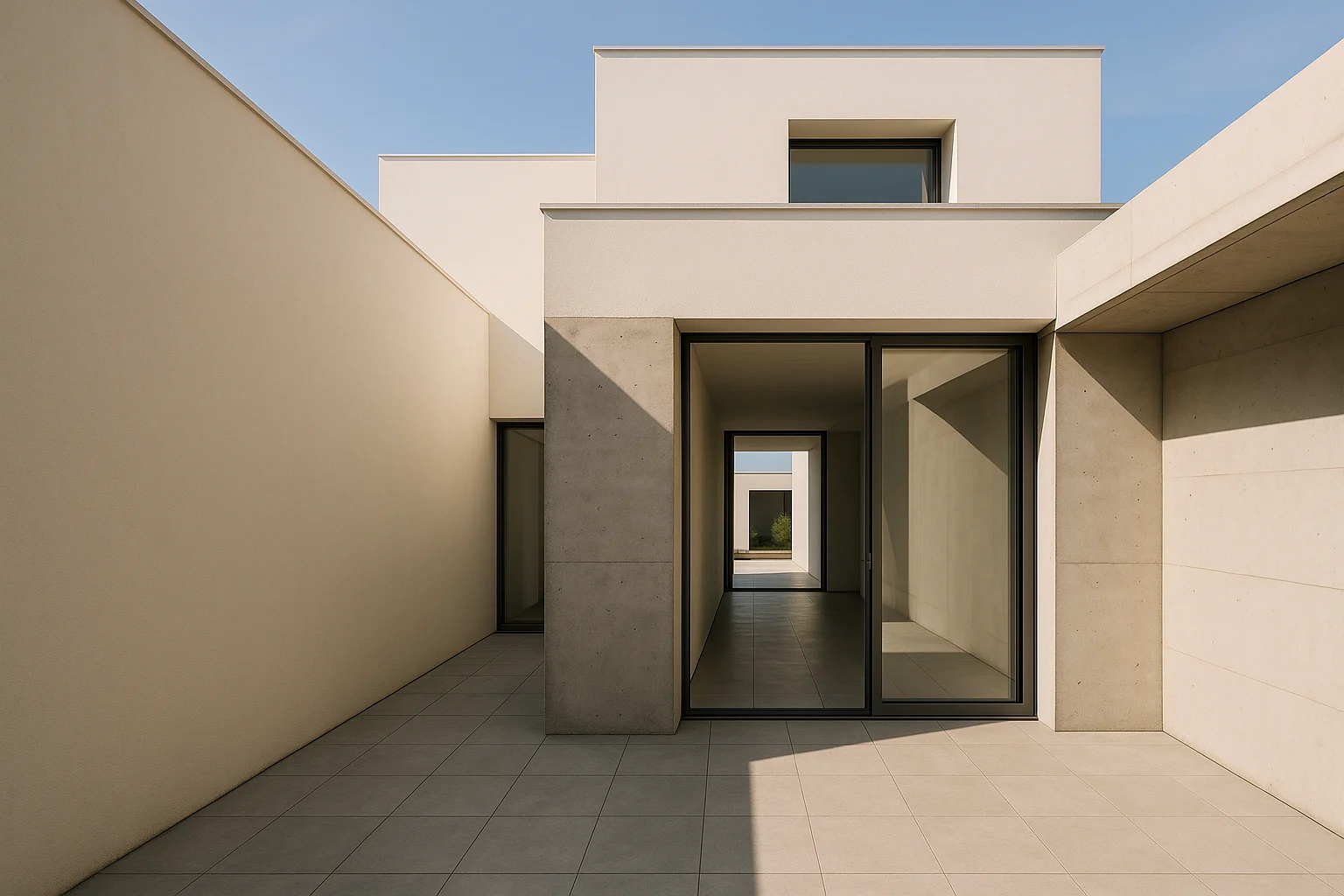
Minimalist architecture is more than just a design trend; it represents a philosophy that emphasizes simplicity, functionality, and the use of materials in a way that enhances usability and aesthetic appeal. In recent years, this approach has gained traction within the EU, serving as a beacon of sustainable and thoughtful design. However, as with any architectural style, there are misconceptions that can cloud understanding. This article explores the core principles of minimalist architecture, addressing prevalent myths and contrasting them with the factual realities.
Myth 1: Minimalism is Just About Empty Spaces
Fact: While minimalist architecture often appears to emphasize open spaces, it is not solely about emptiness. The intent is to maximize functionality and create a sense of tranquility through simplicity. Every element in minimalist architecture serves a purpose. The absence of clutter allows for the focus to shift toward the quality of materials, proportionality, and the interplay between light and shadow.
Myth 2: Minimalist Buildings Lack Character
Fact: Minimalism does not equate to monotony. In fact, the architecture often showcases character through its form, texture, and materials. By stripping away unnecessary ornamentation, minimalist architecture invites deeper appreciation of craftsmanship. The use of natural materials such as wood, stone, and glass can create unique expressions tailored to the building’s environment, enhancing its character rather than diminishing it.
Myth 3: Minimalist Architecture is Inaccessible
Fact: Contrary to the belief that minimalist designs are only for luxury markets, minimalist principles can be applied to a broad range of budgets. The focus on simplicity often translates to lower construction costs through the avoidance of complex details. The adaptability of minimalist design allows it to be integrated into various contexts, making it accessible to diverse demographics.
Myth 4: It Only Works in Certain Climates
Fact: Minimalist architecture is versatile and can be successfully implemented in various climates across Europe. Energy efficiency is a key principle of minimalist design, making it well-suited for sustainable practices. Designers can incorporate passive solar heating, natural ventilation, and appropriate material choices that adapt to the local climate, ensuring comfort and reducing environmental impact.
Myth 5: Minimalism Ignores Sustainability
Fact: Minimalist architecture is often intrinsically linked with sustainable design. The emphasis on functionality and quality over quantity encourages the use of fewer resources. Minimalism advocates for long-lasting materials, reduced waste, and efficient energy use, thereby aligning with sustainable values. This philosophy is increasingly relevant in the EU, where sustainability regulations are strict and demand responsive architectural practices.
Myth 6: Minimalist Spaces Feel Unwelcoming
Fact: Well-designed minimalist spaces are often warm and inviting. The careful curation of spaces promotes a sense of calm and clarity. By utilizing natural light, open layouts, and tactile materials, minimalist architecture can create environments that foster well-being. The aesthetic experience is enhanced through thoughtful design elements that encourage both functionality and emotional connections.
Myth 7: Minimalist Design is Easy to Achieve
Fact: Achieving minimalism requires careful consideration and mastery of design principles. It involves an understanding of proportion, scale, and the interplay of light and materials. Designers must balance simplicity with functionality, ensuring each element serves a purpose while maintaining an overall harmonious design. The challenge lies in knowing when to remove elements without compromising the design’s integrity.
Conclusion
Minimalist architecture represents a vital and forward-thinking approach in the realm of design, especially within the EU context. By debunking prevalent myths, architects, engineers, and real estate professionals can embrace this philosophy with a clearer understanding of its principles and potentials. Minimalism is not merely a trend; it is a profound design ethos that prioritizes clarity, quality, and sustainability, resonating well with the current and future needs of our built environments.