Vernacular Crossovers into High-Rise Typologies: A German Perspective
This article explores the integration of local architectural styles into high-rise designs in Germany, providing professionals with insights and a practical checklist for successful adaptations.
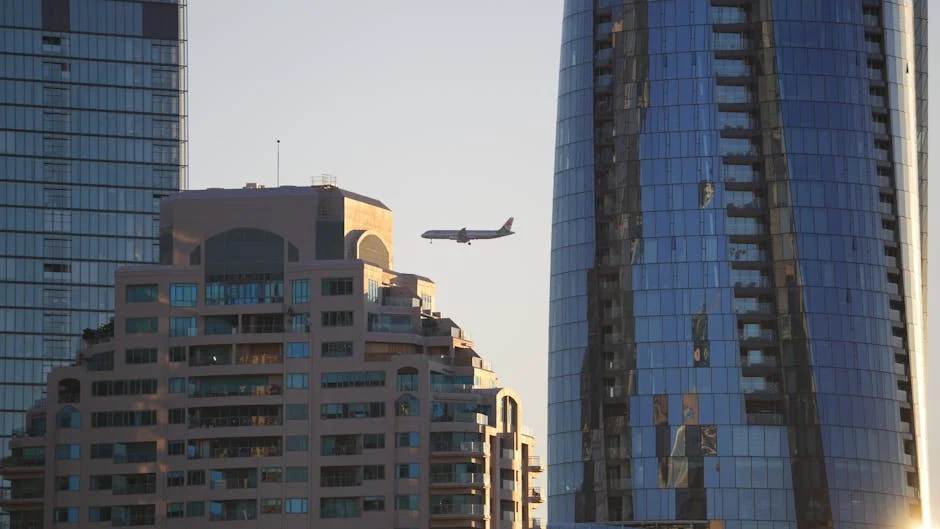
In an age of globalization, the architectural landscape is constantly evolving, with high-rise structures becoming a prevalent feature in urban environments worldwide. However, integrating vernacular architecture into these modern designs, especially in a context as rich and diverse as Germany, presents unique challenges and opportunities. This article provides a comprehensive checklist for architects, engineers, and real estate professionals aiming to merge local character and modern high-rise design.
The Intersection of Vernacular and Modern Architecture
Vernacular architecture refers to structures designed based on local needs, materials, and traditions without the involvement of professional architects. As high-rise buildings symbolize modernity and urbanization, the fusion of these two styles can enhance cultural identity while fostering community engagement.
In Germany, where regional diversity is pronounced—from the timber-framed houses of the Black Forest to the minimalist concrete structures in Berlin—the challenge lies in crafting skyscrapers that resonate with local heritage while satisfying modern architectural standards.
1. Understanding Local Context
A successful crossover begins with a thorough understanding of the local context. Architects must analyze factors such as geography, climate, and cultural significance of existing structures. Here’s a condensed checklist based on these principles:
- Research Local Architectural Styles: Identify predominant materials and designs in the area.
- Incorporate Regional Climate: Ensure that buildings maintain comfort levels suitable for the local environment.
- Engage with Local Communities: Consider community sentiment toward historical and vernacular architecture.
2. Material Selection and Sustainability
Using local materials can create a bridge between modern and vernacular designs. Additionally, opting for sustainable materials that reflect local craftsmanship will encourage a sense of place and responsibility.
- Use Sustainable Materials: Prioritize eco-friendly materials that minimize environmental impact.
- Source Locally: Materials sourced from local suppliers reduce transport emissions and boost the local economy.
- Implement Energy-Efficient Solutions: Integrate solar panels and green roofs that are inspired by local practices.
3. Aesthetic Adaptation in High-Rise Design
The visual appeal of high-rise buildings can significantly benefit from vernacular influences. This encompasses aesthetic considerations such as form, color, and texture, which should resonate with the local identity.
- Incorporate Local Colors: Use color palettes that draw upon the hues of surrounding vernacular structures.
- Emphasize Textural Diversity: Include elements like facade articulation that reflect local building techniques.
- Create Human Scales: Design facades that respect human proportion, ensuring that large buildings remain approachable.
4. Functional Relevance
High-rises serve various purposes, including residential, commercial, and mixed-use developments. It’s essential that these functions align with community needs, evoking a sense of belonging among inhabitants.
- Design for Community Use: Create shared spaces that encourage social interactions.
- Integrate Public Transport Access: Ensure accessibility for pedestrians and integrate public transport nodes effectively.
- Plan for Adaptability: Design spaces that can evolve based on changing community needs.
5. Regulatory and Compliance Considerations
Germany has strict building codes and regulations, which can pose challenges in integrating vernacular design into high-rise developments. Complying with these regulations while pursuing innovative design solutions is key.
- Familiarize with Local Codes: Understand regulations around height, density, and aesthetic requirements.
- Engage with Urban Planners: Work alongside urban planners to ensure compliance and alignment with regional plans.
- Consider Historical Preservation Rules: Be aware of any historical preservation regulations that could impact design.
Common Pitfalls in High-Rise Vernacular Integration
Adopting vernacular elements within high-rise designs often leads to unforeseen pitfalls. Being aware of these common challenges can assist in mitigating risks:
- Neglecting Local Input: Failing to involve the community can lead to designs that feel foreign and uninviting.
- Inflexible Design Approach: Rigid design parameters may limit creative potential and overlook vernacular nuances.
- Overemphasis on Aesthetic: Prioritizing visual aspects without considering functionality may lead to uncomfortable living conditions.
Conclusion
The integration of vernacular architecture into high-rise typologies in Germany is a complex yet rewarding endeavor. By following the provided checklist and remaining cognizant of local context, material selections, aesthetics, functionality, and regulatory considerations, architects and builders can create structures that resonate with cultural identity and community values. Such designs not only enhance the urban landscape but also promote a sustainable future where modernity and tradition coexist harmoniously.

Ultimately, a successful architectural narrative brings both past and present together, crafting a visual and functional dialogue that honors the local vernacular while meeting the demands of modern life.