Designing the Perfect Bar and Cafe: Key Considerations for Architects and Engineers
This article explores the essential elements of designing bars and cafes, focusing on layout, aesthetics, and functionality, tailored for professionals in architecture and engineering.
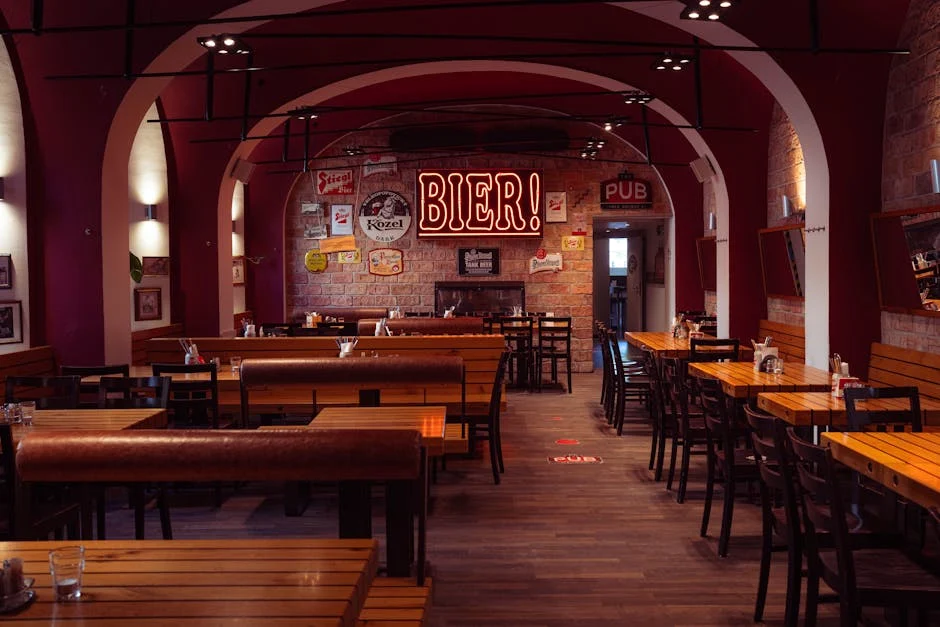
The vibrant atmosphere of a bar or cafe can transform a simple social gathering into an unforgettable experience. For architects and engineers, the design of these spaces is not just about aesthetics; it involves careful planning to meet functionality, comply with regulations, and ensure longevity. In this article, we will delve into essential design elements, consider operational efficiency, and explore innovative solutions to create bars and cafes that resonate with guests and operators alike.
Understanding the Functional Layout
The layout of a bar or cafe is crucial, influencing the flow of customer traffic, employee efficiency, and operational success. Here are key considerations:
- Flow of Movement: Design pathways that allow for smooth customer movement from entry to seating and service areas.
- Seating Arrangements: Choose a mix of seating types (booths, tables, bar seating) to accommodate different patron needs.
- Service Access: Ensure designated areas for staff to efficiently serve patrons, including clearly defined zones for kitchen and bar staff.
- Capacity Management: Ensure that the design complies with local regulations on occupancy limits.
Consideration of these aspects results in a space that is functional and inviting, allowing for improved customer experiences and staff interactions.

Creating an Inviting Ambiance
Aside from functional layout, the ambiance of bars and cafes plays a significant role in attracting and retaining customers. Key factors include:
- Lighting: Use a combination of ambient, task, and accent lighting to create moods suitable for different times of the day.
- Color Schemes: Select colors that reflect the establishment’s brand identity while promoting warmth and comfort.
- Textural Variety: Integrate diverse materials such as wood, metal, and fabric to give the space depth and character.
- Acoustics: Design for optimal sound management to enhance the social experience without overwhelming conversation.
Incorporating these elements establishes a unique identity and enhances the overall experience for customers, driving repeat visits.
Regulatory Considerations and Safety Compliance
Designing a bar or cafe requires adherence to numerous local and national regulations regarding safety, hygiene, and accessibility:
- Building Codes: Understand local zoning laws and building codes for commercial spaces.
- Health Regulations: Ensure kitchens and food service areas meet local health department standards.
- Accessibility Standards: Follow ADA requirements to create accessible spaces for all patrons.
- Fire Safety: Implement fire codes, including exit routes and sprinklers, to safeguard against emergencies.
Ensuring compliance not only fosters safety but also enhances customer trust and satisfaction in the establishment.
Innovative Design Trends in Bar and Cafe Spaces
As the hospitality industry evolves, several design trends are emerging that architects and engineers should consider:
- Biophilic Design: Incorporate natural elements like plants, natural light, and outdoor spaces to create a calming atmosphere.
- Flexible Spaces: Design areas adaptable for various functions—such as hosting events, live music, or quiet evenings—to maximize usage.
- Sustainability: Utilize eco-friendly materials and technologies to create sustainable spaces that appeal to environmentally conscious patrons.
- Technology Integration: Implement smart technology for ordering and payments, enhancing efficiency and customer experience.
Adapting to these trends ensures that your design remains competitive and resonates with modern patrons.
Case Studies: Successful Bar and Cafe Designs
Examining successful bar and cafe designs provides insight into practical applications of the principles discussed. Here are a couple of notable examples:
| Establishment | Location | Design Highlights |
|---|---|---|
| Bar Lab | Miami, FL | Incorporates biophilia with lush interiors and utilizes reclaimed wood for a rustic yet modern feel. |
| Cafe Hopping | Seattle, WA | Features flexible seating arrangements that accommodate various group sizes and events. |
These establishments illustrate how thoughtful design can create inviting spaces that cater to diverse audiences.
Importance of Collaboration in Design
Successful bar and cafe design requires collaboration among various stakeholders. Engaging with:
- Clients: Understand their vision, brand, and target audience.
- Staff: Gain insights from future employees about operational needs to inform the design.
- Regulatory Bodies: Involve authorities early in the process to streamline compliance.
- Suppliers: Consider supply chain logistics in space planning.
Fostering collaboration helps create spaces that are not only well-designed but also operationally efficient and compliant with industry standards.
Conclusion
Designing a bar or cafe is an intricate process that balances aesthetics, functionality, and compliance. By understanding these key considerations from layout to innovative trends, architects and engineers can create spaces that foster hospitality, enhance customer experience, and ensure long-term success. As the industry continues to evolve, staying informed and responsive to trends will further contribute to the design of vibrant and inviting establishments.