Innovative Material Passports and QR Tagging in Bar and Cafe Design: A Q&A with Expert Architect Maria Klein
Explore the integration of material passports and QR tagging in modern bar and cafe design through an insightful Q&A with architect Maria Klein.
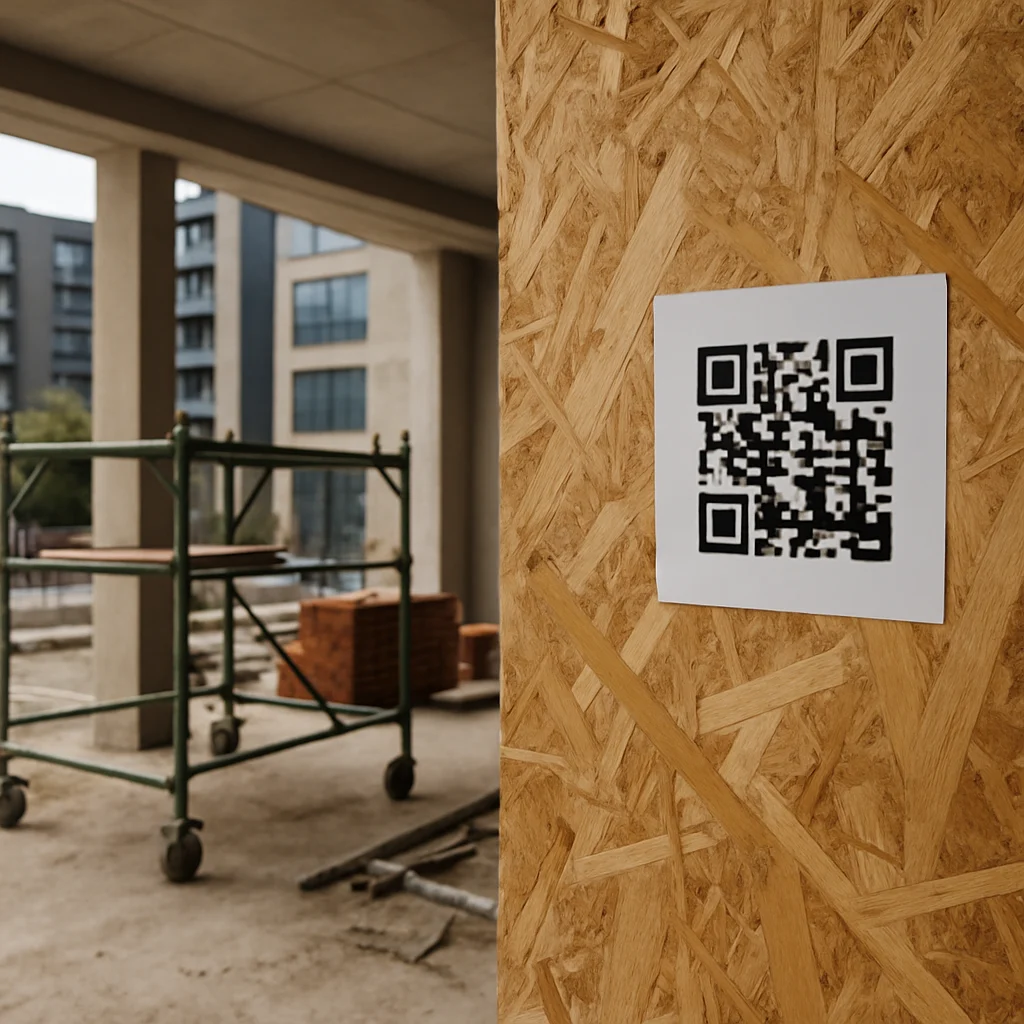
As the demand for sustainable and efficient design practices grows within the bar and cafe sector, architects and builders are turning towards advanced technologies like material passports and QR tagging. To delve deeper into this topic, we sat down with Maria Klein, a renowned architect and sustainability consultant based in Berlin, to discuss the implications of these innovations in the EU context.
Understanding Material Passports
Q: Maria, could you explain what a material passport is and why it’s important for the bar and cafe industry?
A: A material passport is essentially a digital record that details the materials used in a building or a space, including their properties, origins, and potential for recycling or reuse. In the bar and cafe industry, where aesthetics and functionality are paramount, material passports help designers select sustainable materials that align with both regulatory standards and consumer preferences. This accountability not only aids in reducing waste but also enhances the lifecycle of materials used.
The Role of QR Tagging
Q: How does QR tagging complement the concept of material passports?
A: QR tagging serves as a practical tool to make material passports easily accessible. By embedding QR codes within materials or displaying them at key locations in a bar or cafe, patrons and building operators can quickly retrieve information about the materials. This includes details about their origin, how they can be disposed of, and their impact on the environment. The combination of material passports and QR tagging fosters transparency and empowers stakeholders to make informed decisions.
Case Study: Successful Implementation
Q: Can you provide an example of a bar or cafe that successfully integrated these innovations?
A: One notable example is “GreenSip,” a cafe in Amsterdam that has adopted both material passports and QR tagging comprehensively. Each furniture piece and material used in the cafe is tagged with QR codes, allowing customers to scan and learn about the eco-friendliness and sourcing of that item. This practice not only enhances customer engagement but also underscores the cafe’s commitment to sustainability. The positive feedback from patrons has resulted in increased loyalty and a significant rise in foot traffic.
Benefits of Material Passports and QR Tagging
Q: What are some key benefits of adopting material passports and QR tagging in design?
- Sustainability: Reduces waste and promotes recycling of materials.
- Compliance: Helps comply with EU regulations on sustainable building practices.
- Transparency: Consumers can make informed decisions about the products they use or consume.
- Lifecycle Management: Facilitates better lifecycle management of materials.
- Brand Image: Enhances brand reputation by showcasing a commitment to sustainability.
Challenges in Implementation
Q: What challenges do architects and builders face when implementing these technologies?
A: One major challenge is the initial cost related to developing and integrating these systems into design processes. Additionally, not all suppliers provide complete data required for a comprehensive material passport. There can also be resistance from traditionalists in the industry who may prefer conventional methods over new technologies. However, as awareness grows and EU standards evolve, these barriers are increasingly being addressed.
The Future of Design in the Industry
Q: Where do you see the future of material passports and QR tagging heading in the industry?
A: The future looks promising as more architects and builders recognize the importance of sustainability. As these technologies become more standardized in the EU, we are likely to see a broader acceptance and integration into mainstream design. In the next few years, I anticipate that we will see a significant rise in the use of digital tools that support not just material passports and QR tagging, but also advanced building information modeling (BIM) and circular economy principles. This shift will ultimately lead to smarter, greener, and more efficient bar and cafe designs.
Conclusion
In conclusion, the integration of material passports and QR tagging within bar and cafe design is not merely a trend; it represents a fundamental shift towards sustainability in the construction industry. As the EU leads the way in implementing robust standards, stakeholders in the bar and cafe sector are encouraged to adopt these practices. Not only do they align with consumer demands for transparency and sustainability, but they also pave the way for innovative design solutions that respect our planet. By learning from the experiences of early adopters like GreenSip, architects and builders can effectively contribute to a more sustainable future.