Harnessing AI-Powered Clash Detection in Building Information Modeling (BIM)
Explore the integration of AI-powered clash detection in BIM, its advantages, and its practical applications in architecture, engineering, and construction.
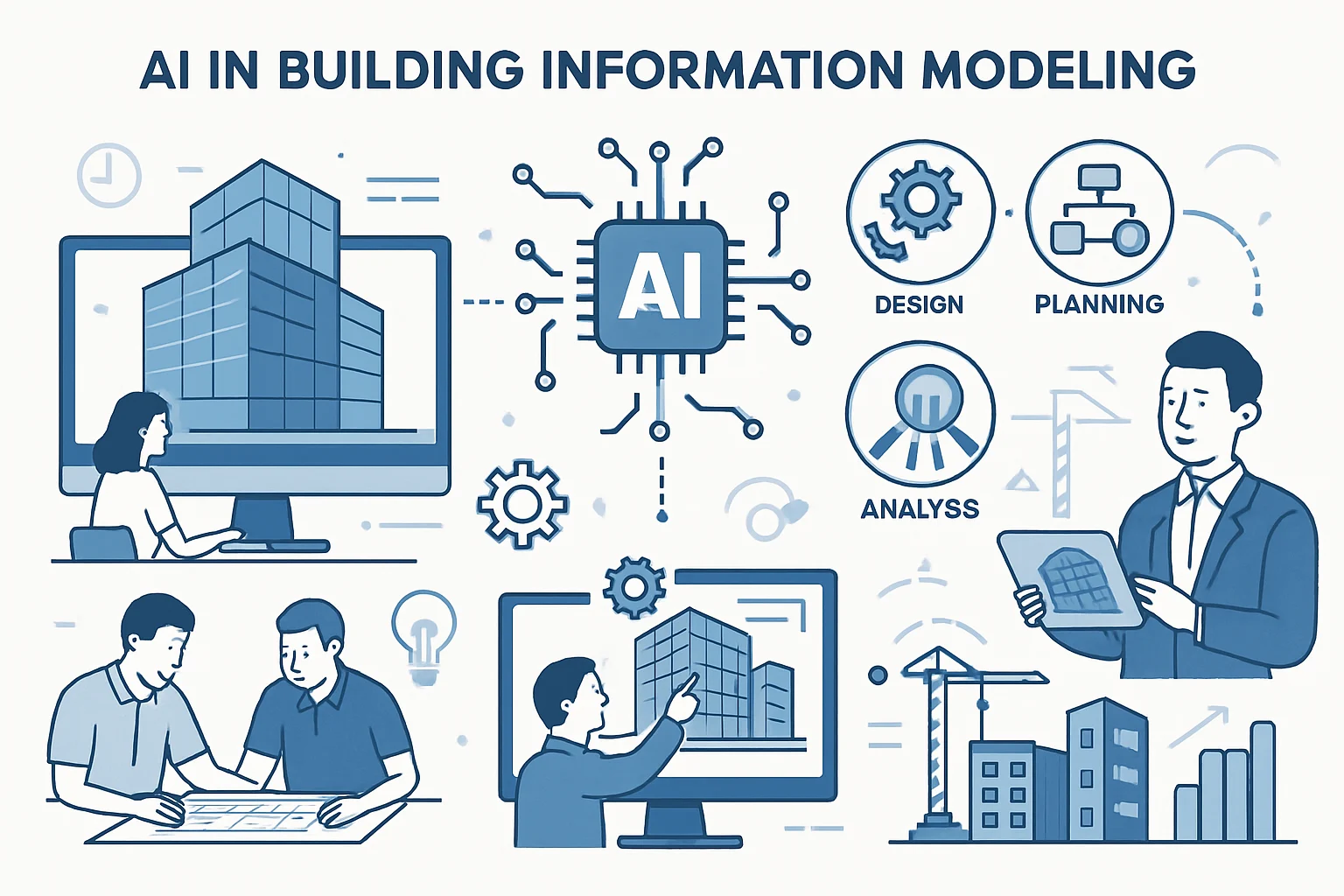
In the rapidly evolving world of architecture, engineering, and construction (AEC), Digital Modeling and Building Information Modeling (BIM) have revolutionized project delivery. One of the most critical aspects of BIM is its capability for clash detection, which ensures that various systems and components within a construction project work together harmoniously. With the recent advancements in artificial intelligence (AI), clash detection has taken a significant leap forward. This article explores how AI-powered clash detection is transforming BIM practices, enhancing efficiency, and reducing costs in the AEC industry.
Understanding Clash Detection in BIM
Clash detection involves identifying conflicts between different systems in a construction project, such as plumbing, electrical, and structural elements. Traditionally, this process required manual checks through 3D models, which could be time-consuming and prone to human error. With BIM, clash detection is made more manageable by creating a centralized 3D model where all components exist virtually. However, integrating AI into this process introduces new efficiencies and capabilities.
AI-Powered Clash Detection: An Overview
AI-powered clash detection utilizes machine learning algorithms and data processing techniques to improve the accuracy and speed of identifying clashes. By analyzing model geometry and other project parameters, AI can:
- Automate Clash Identification: AI systems can automatically flag potential issues based on predefined rules and historical data.
- Learn from Previous Projects: Machine learning enables the system to learn from past projects, adapting to specific conditions and improving future performance.
- Prioritize Clashes: AI algorithms can rank clashes based on their severity and impact, helping teams focus on the most critical issues first.
The Benefits of AI-Powered Clash Detection
Integrating AI in clash detection processes provides several compelling advantages:
- Increased Accuracy: AI reduces the likelihood of human error, providing a more reliable method for detecting clashes.
- Time Savings: Automated processes speed up clash detection, allowing project teams to address issues more swiftly.
- Cost Efficiency: Early identification of clashes minimizes costly rework and delays, saving both time and money.
- Enhanced Collaboration: AI tools improve communication among stakeholders by providing clearer insights into potential issues and solutions.

Implementing AI-Powered Clash Detection in Your Projects
Incorporating AI-powered clash detection into BIM workflows can significantly enhance project execution. Here are several key steps for successful implementation:
1. Choose the Right Technology
Select a compatible AI clash detection tool that integrates seamlessly with your existing BIM software. Many popular options include:
- Navisworks with AI-enhanced plugins
- Solibri
- Revit with AI clash detection add-ons
2. Train Your Team
Provide comprehensive training for your team to familiarize them with the new tools and processes. This will ensure that everyone understands how to leverage AI for maximum effectiveness.
3. Establish Clear Workflows
Create defined workflows that incorporate AI-powered clash detection at every stage of the project, from design through to construction. Clearly outline when and how to analyze for clashes.
4. Use Data Wisely
Utilize historical data and previous project insights to train your AI systems, improving their performance over time. Continuously collect and analyze project data to refine AI capabilities.
Real-World Applications of AI-Powered Clash Detection
Several case studies have highlighted the practical benefits of AI-powered clash detection in real-world scenarios:
- The Hudson Yards Project: In this large-scale development in New York City, AI clash detection tools helped the project team identify over 1,000 potential clashes early in the design phase, saving an estimated $10 million in rework costs.
- London Crossrail: For this major infrastructure project, using AI-driven clash detection enabled teams to resolve conflicts in the design phase before construction began, speeding up overall timelines.
The Future of AI in Clash Detection and BIM
The integration of AI into BIM and clash detection processes is only expected to grow. Future developments may include:
- Greater automation and predictive analytics capabilities, anticipating clashes before they occur.
- Enhanced collaboration tools integrating augmented reality (AR) and virtual reality (VR) for real-time conflict resolution.
- Increased interoperability between different BIM tools allowing for smoother transfers of data and insights across platforms.
Conclusion
AI-powered clash detection in BIM is revolutionizing how the AEC industry approaches project design, coordination, and execution. By enabling teams to identify and resolve potential conflicts early in the process, AI not only saves time and costs but also fosters better collaboration among stakeholders. As technology continues to advance, embracing AI in clash detection will undoubtedly become indispensable for any professional aiming to stay competitive in today's fast-paced construction landscape.