Harnessing the Power of Digital Twins in BIM through BMS and Sensor Integration
Explore how the integration of digital twins with Building Management Systems (BMS) and sensors is reshaping the architecture and construction landscape in Europe.
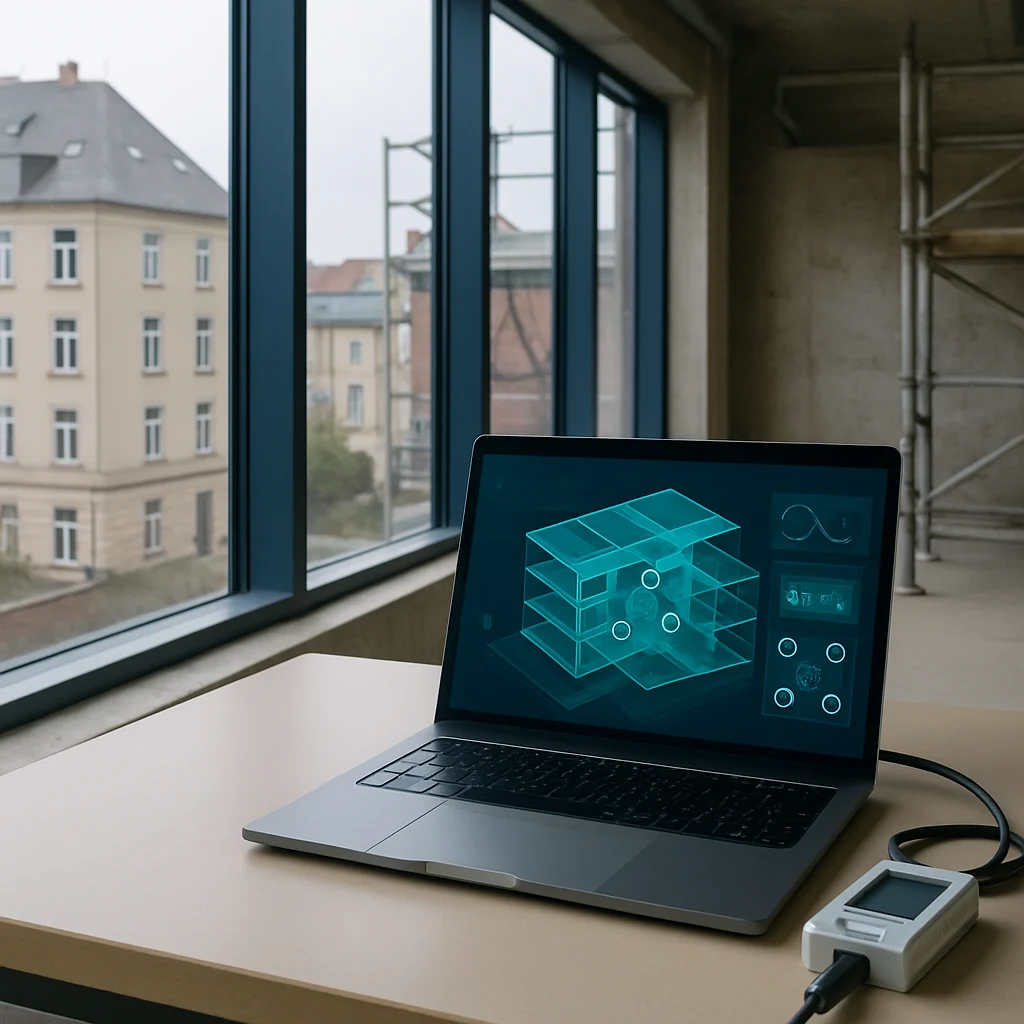
In the realm of architecture, engineering, and construction (AEC), the advent of Building Information Modeling (BIM) has revolutionized project planning, design, and management. Within this framework, digital twins—virtual representations of physical assets—are emerging as a game-changer, particularly when integrated with Building Management Systems (BMS) and sensor technology. Europe is at the forefront of this innovative intersection, and understanding its market dynamics is crucial for engineers, architects, builders, and real estate professionals.
Understanding Digital Twins and Their Significance
Digital twins are not just 3D models; they encompass a range of data that reflects the current state of a physical asset throughout its lifecycle. In the context of BIM, digital twins provide real-time insights into building performance, operational efficiency, and energy consumption. This capability is significantly enhanced when linked with BMS and sensors, allowing for a comprehensive view of a building's operational status and predictive maintenance.
Market Outlook for Digital Twins in Europe
As of 2023, the European market for digital twins integrated with BMS and sensors is projected to grow significantly. This growth is driven by several key factors:
- Increased Demand for Smart Buildings: European cities are increasingly focusing on sustainability and energy efficiency, pushing developers to adopt smart building technologies that integrate digital twins.
- Regulatory Pressures: The EU's Green Deal aims to reduce greenhouse gas emissions, which compels real estate stakeholders to optimize building performance using advanced technologies.
- Technological Advancements: Innovations in IoT (Internet of Things) and AI (Artificial Intelligence) enhance the functionality of digital twins, making them indispensable for modern AEC practices.
Drivers of Growth
Several drivers are fueling the uptake of digital twins connected to BMS and sensors in the EU:
- Operational Efficiency: Integrating real-time monitoring capabilities enables proactive maintenance, reducing operational costs and downtimes.
- Enhanced Decision Making: Access to accurate data supports better strategic decisions, especially in managing building performance and tenant experiences.
- Improved Collaboration: Digital twins foster collaboration among stakeholders by providing a single source of truth, thus enhancing project transparency and accountability.
Risks and Challenges
Despite the promising outlook, several risks and challenges must be navigated:
- Data Security and Privacy: As digital twins rely heavily on data gathering and cloud services, ensuring cybersecurity is critical to protect sensitive information.
- Integration Difficulties: The complexity of integrating diverse systems (BMS, IoT sensors) may pose significant challenges, requiring skilled personnel and investment.
- Initial Costs: The upfront investment in technology and training may deter some stakeholders from adopting digital twins.
12-24 Month View
Looking ahead, the next 12 to 24 months will likely witness:
- Increased Adoption: With the ongoing push for smart buildings and sustainable practices, we can expect a surge in the adoption of digital twins across Europe.
- Enhanced Standardization: Industry standards for digital twin implementation are likely to evolve, helping to streamline processes and reduce integration challenges.
- Growing Investment in R&D: Organizations will increasingly invest in research and development to refine digital twin technologies, particularly focusing on AI and analytics capabilities.
Conclusion
The integration of digital twins with Building Management Systems and sensors represents a significant leap in the capabilities of BIM within the European architecture and construction sectors. While challenges exist, the drivers of change and the potential for enhanced efficiency and sustainability make this a landscape worth exploring. For engineers, architects, builders, and real estate professionals, staying ahead of this curve is essential to harnessing the full potential of their projects. Embracing digital twins not only aligns with industry trends but also paves the way for smarter, more efficient buildings that meet the needs of tomorrow.