Enhancing Construction Worker Safety Through Wearable Technology: A Business Development Perspective
This article explores the integration of wearable technology in construction, focusing on its role in enhancing worker safety, improving efficiency, and driving business development.
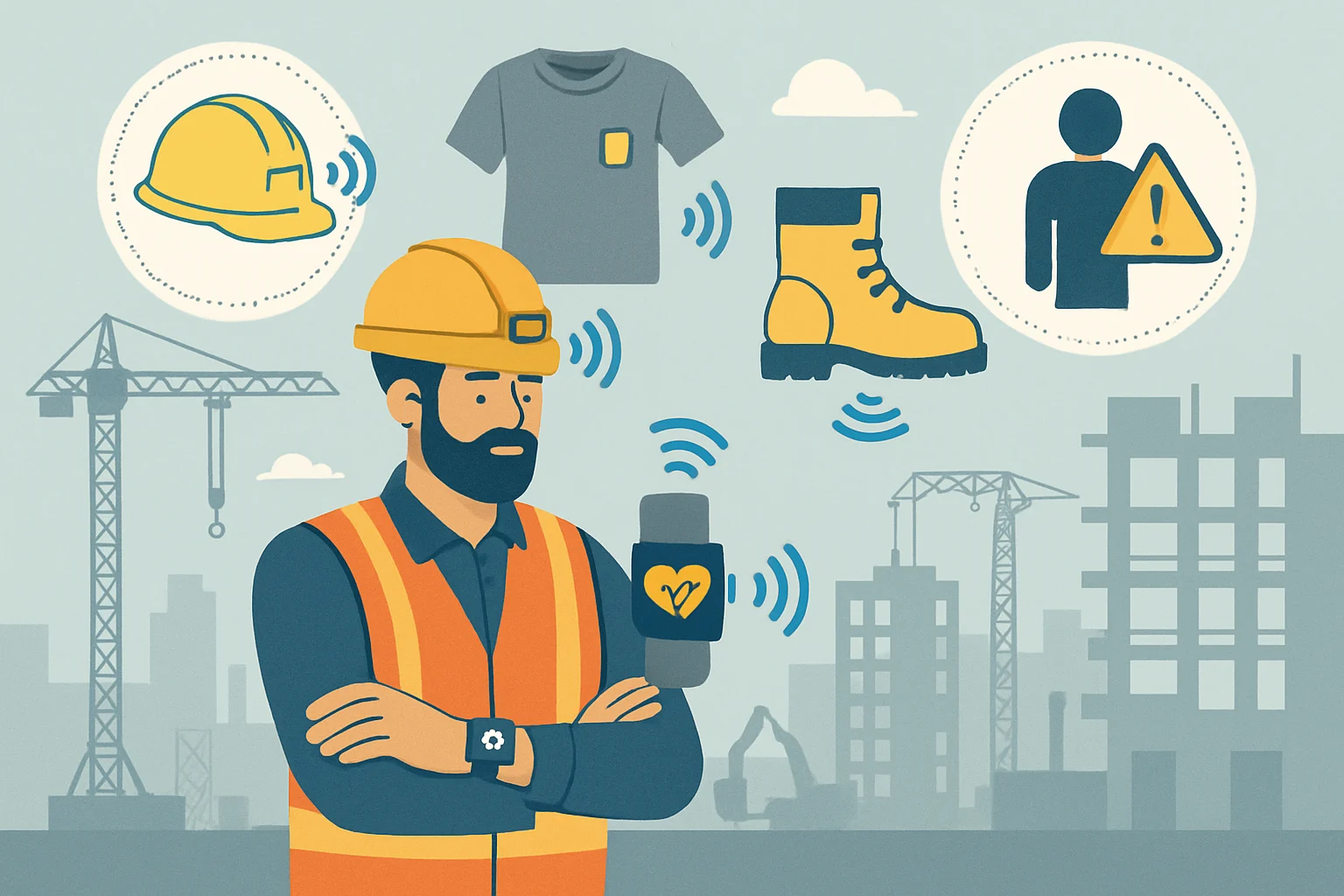
In recent years, the construction industry has faced significant pressures to improve worker safety while simultaneously enhancing productivity. One of the most promising developments in this area is the integration of wearable technology. This article delves into how wearable tech not only enhances safety but also presents unique opportunities for business development in the construction sector.
The Role of Wearable Technology in Construction
Wearable technology refers to electronic devices that can be worn on the body, often equipped with sensors and software to collect data and share information. In construction, this technology encompasses various devices, including:
- Smart helmets
- Exoskeletons
- Wearable sensors
- Smart glasses
- Augmented reality devices
- GPS tracking systems
The primary function of these devices is to enhance worker safety. By providing real-time data, they help in monitoring conditions on site and ensuring compliance with safety protocols. For example, smart helmets equipped with augmented reality can guide workers through complex tasks while alerting them to potential hazards.
Benefits of Wearable Technology for Worker Safety
Integrating wearable technology into construction sites brings numerous benefits, including:
- Real-time monitoring: Wearable devices can track vital signs and environmental conditions, alerting workers and supervisors to potential health risks.
- Injury prevention: Exoskeletons assist workers in lifting heavy materials, reducing the risk of musculoskeletal injuries.
- Improved communication: Smart glasses can facilitate hands-free communication, allowing workers to share information and coordinate tasks effectively.
- Data collection: Wearable devices gather insights about worker movements and site conditions, which can be analyzed to improve safety protocols and operational efficiency.
Let’s explore some key case studies that illustrate these benefits in action.
Case Studies of Wearable Technology in action
Several companies worldwide have successfully integrated wearable technology into their operations, resulting in enhanced safety and productivity:
1. Smart Helmets by DAQRI
DAQRI has developed a smart helmet that combines augmented reality with crucial functionality, including real-time data monitoring and environmental sensing. This helmet provides visual overlays that assist workers in navigation and task execution while alerting them to hazards.
2. Exoskeletons by Ekso Bionics
Ekso Bionics offers exoskeletons that reduce the risk of back injuries among construction workers. By supporting heavy lifting, these devices alleviate physical strain, allowing workers to complete their tasks more efficiently and safely.
3. Wearable Sensors by Triax Technologies
Triax’s Wearable Sensor technology monitors worker safety by detecting falls, monitoring vital signs, and managing workforce safety in real-time. This data not only protects workers but also aids management in identifying risk factors on construction sites.

Challenges of Implementing Wearable Technology
Despite the advantages, the adoption of wearable technology in construction does come with challenges:
- Cost of Implementation: High initial costs for devices and the necessary infrastructure can deter smaller companies.
- Data Privacy Concerns: Collecting personal data raises issues surrounding worker privacy and data security.
- Technological Resistance: Some workers may resist using new technology due to comfort and familiarity with traditional methods.
Strategies for Successful Implementation
For construction firms looking to integrate wearable technologies, the following strategies can promote successful adoption:
- Education and Training: Workers should receive thorough training to understand how to use wearable devices effectively and safely.
- Involve Workers in the Process: Engaging workers in discussions about wearable tech can alleviate fears and resistance.
- Pilot Programs: Testing new devices on a small scale can help identify potential issues before full-scale implementation.
- Partnerships: Collaborating with technology providers can facilitate smoother integration and ongoing support.
The Future of Wearable Technology in Construction
As technology evo<|vq_15119|>lves, the future of wearables in construction appears promising. Advancements in IoT (Internet of Things), artificial intelligence, and machine learning could result in even more sophisticated wearable devices capable of predictive analytics to foresee potential safety issues before they arise.
Moreover, the ongoing emphasis on sustainability and efficiency in construction means that wearable technologies are likely to become an essential fixture in modern construction practices. By fostering a culture of safety and innovation through wearable tech, construction firms can not only protect their workers but also enhance their competitive edge in the market.
Conclusion
Integrating wearable technology in construction is more than just a safety enhancement; it represents a significant opportunity for business development. As firms embrace these innovations, they position themselves for greater efficiency and profitability in an increasingly complex and competitive environment. By prioritizing safety through technology, the construction sector can build a healthier, more productive future for its workforce.