Pathways to Climate Neutrality in Urban Districts: A Business Development Perspective
As urbanization accelerates, achieving climate neutrality in urban districts emerges as a critical focus for architects, engineers, and real estate developers. This article explores strategies for integrating sustainable practices into urban business development.
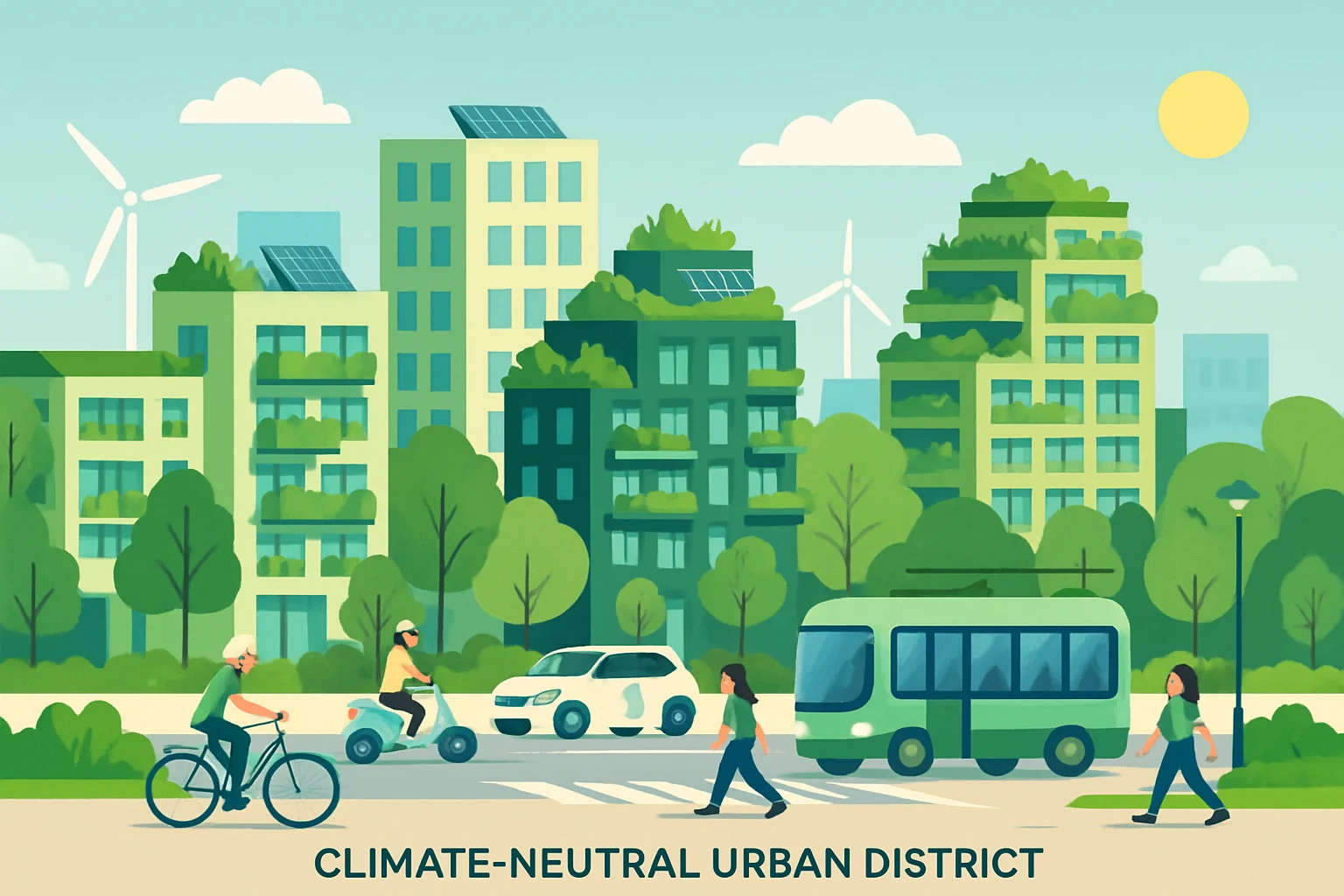
As our world continues to urbanize rapidly, with over 55% of the global population residing in urban areas, cities are increasingly facing the challenge of reducing their carbon footprints and achieving climate neutrality. Urban districts play a pivotal role in this transition, as they are often the hubs of economic activities and social interactions. For professionals in architecture, engineering, construction, and real estate, understanding the pathways to climate neutrality is essential not only for compliance with global climate agreements but also for driving business development in a socially responsible manner.
The Importance of Climate Neutrality
Climate neutrality refers to the state in which a person, organization, or community produces no net greenhouse gas emissions. Achieving climate neutrality in urban districts is vital for several reasons:
- Environmental Impact: Urban areas are significant contributors to greenhouse gas emissions. Transitioning to climate-neutral districts can substantially lower these emissions and mitigate climate change effects.
- Economic Viability: Incorporating sustainable practices often leads to cost savings. For businesses, this can mean reduced energy costs and improved operational efficiency.
- Social Responsibility: Companies that prioritize sustainability can enhance their reputations and attract environmentally conscious consumers and investors.
Strategies for Achieving Climate Neutrality
For architects, engineers, builders, and real estate professionals, implementing effective strategies for climate neutrality in urban districts involves a multi-faceted approach. Here are several key strategies:
1. Integrating Green Architecture
Green architecture involves designing buildings that minimize their environmental impact through energy efficiency, water conservation, and sustainable materials. Considerations include:
- Utilizing renewable energy sources such as solar panels and wind turbines.
- Implementing passive design principles, such as maximizing natural light and optimizing insulation.
- Incorporating sustainable building materials that reduce the carbon footprint of construction.
2. Sustainable Urban Planning
Effective urban planning is crucial for reducing the overall environmental footprint of urban districts. This involves:
- Creating pedestrian-friendly infrastructures that reduce dependency on cars.
- Designing mixed-use developments that promote local living and working environments.
- Integrating green spaces and biodiversity into the urban fabric, which not only enhances aesthetics but also improves air quality.

3. Energy Efficiency Improvements
Enhancing energy efficiency in buildings and infrastructure is a primary step toward climate neutrality. Techniques include:
- Implementing smart building technologies that optimize energy use and minimize waste.
- Retrofitting existing structures with energy-efficient systems such as HVAC and lighting.
- Encouraging the use of energy-efficient appliances and fixtures in residential units.
4. Promotion of Sustainable Transportation
A cornerstone of achieving climate neutrality is fostering sustainable transportation alternatives. Strategies encompass:
- Developing efficient public transportation systems to reduce individual car use.
- Encouraging cycling and walking through the development of dedicated lanes and paths.
- Promoting electric and hybrid vehicle use through charging infrastructure installations.
5. Stakeholder Collaboration
Success in achieving climate neutrality requires collaboration among various stakeholders, including:
- Local governments to provide the necessary policies and incentives.
- Private sector partnerships to fund and implement sustainable projects.
- Community engagement to ensure that the interests and needs of residents are met.
The Role of Technology in Sustainable Development
Emerging technologies play a pivotal role in enhancing the sustainability of urban districts. Some key technologies include:
- Building Information Modeling (BIM): BIM allows for better planning and resource management, streamlining the construction processes and reducing waste.
- Smart Grids: These systems improve energy distribution and efficiency by allowing real-time monitoring and management of energy consumption.
- Internet of Things (IoT): IoT devices can monitor environmental conditions and optimize resource usage in buildings and throughout urban areas.
Conclusion
Achieving climate neutrality in urban districts presents not only a challenge but also a significant opportunity for business development within the architecture, engineering, and real estate sectors. By embracing sustainable practices, stakeholders can pave the way for a greener future while simultaneously enhancing their market competitiveness. As society continues to push for sustainability, professionals must adapt and innovate, ensuring that their projects contribute to the health of our planet and the well-being of urban communities.