Leveraging Predictive Maintenance with On-Device Machine Learning: A Guide for Professionals in the AEC Industry
This article explores the role of predictive maintenance powered by on-device machine learning in the architecture, engineering, and construction (AEC) industry, focusing on standards, best practices, and real-world applications.
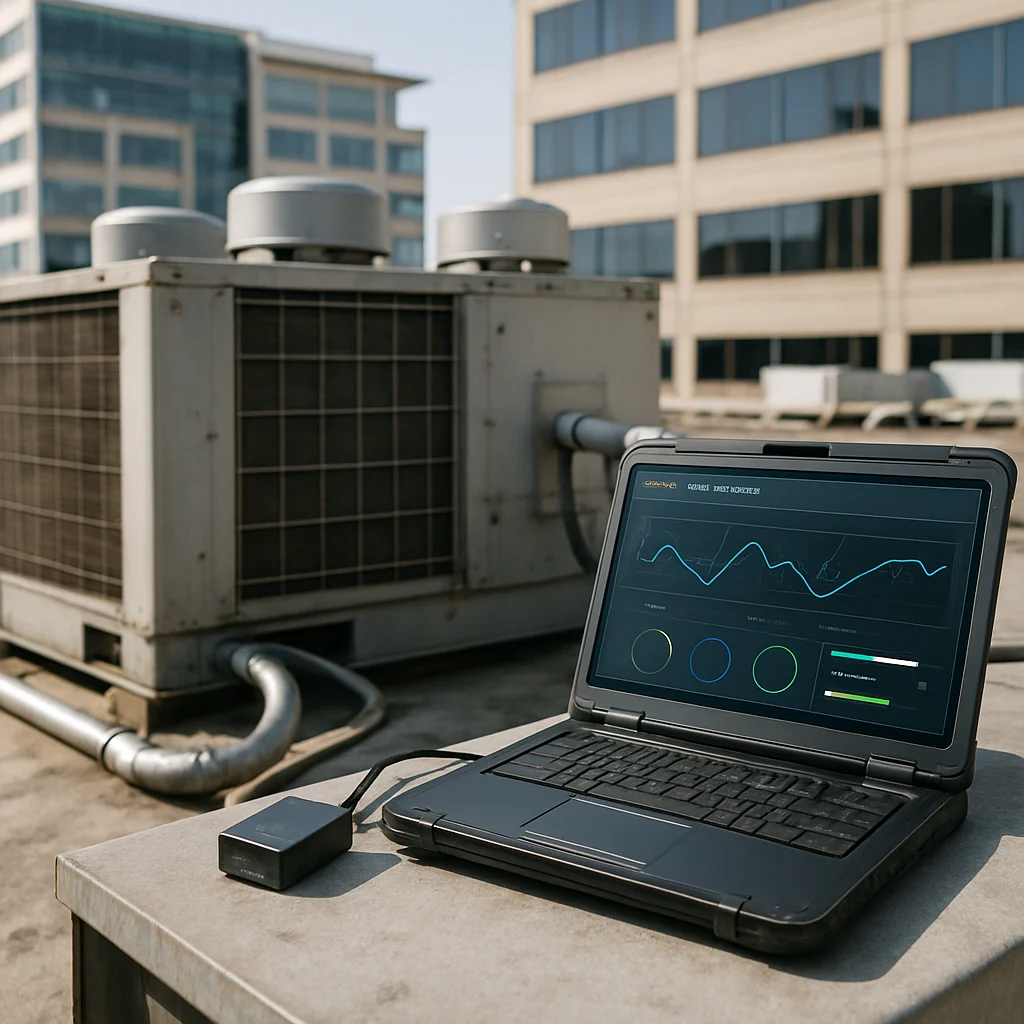
In the ever-evolving landscape of architecture, engineering, and construction (AEC), the integration of advanced technologies has emerged as a vital aspect for professionals aiming to enhance operational efficiency and reduce costs. One noteworthy advancement is the adoption of predictive maintenance strategies powered by on-device machine learning (ML). This article delves into the fundamentals of predictive maintenance, outlines applicable standards and codes, and discusses real-world implications for engineers, architects, builders, and real estate professionals.
Understanding Predictive Maintenance
Predictive maintenance leverages data analytics to predict equipment failures before they occur. By analyzing patterns from historical data, organizations can schedule maintenance activities proactively, minimizing downtime and extending the lifespan of equipment. This not only leads to cost savings but also enhances operational safety and performance.
- Cost Efficiency: Reduces unplanned maintenance costs and extends asset lifespan.
- Operational Continuity: Helps maintain consistent operations by preventing unexpected equipment failures.
- Enhanced Safety: Minimizes the risk of accidents associated with equipment malfunctions.
The Role of On-Device Machine Learning
On-device machine learning refers to the capability of processing data and running algorithms directly on hardware (like sensors or edge devices) instead of relying solely on cloud-based solutions. This approach offers several advantages pertinent to the AEC sector:
| Advantages | Description |
|---|---|
| Real-Time Data Processing | Data can be processed immediately, allowing for instant predictions and decisions. |
| Reduced Latency | Less reliance on cloud services minimizes delays, crucial for time-sensitive applications. |
| Improved Privacy | On-device processing reduces the risk of data breaches by keeping sensitive information local. |
Relevant Standards and Codes
While the concept of predictive maintenance is still developing, existing standards and codes can guide its implementation in an effective and compliant manner. Here are some significant frameworks that professionals in AEC should consider:
- ISO 55000: This international standard provides guidelines for asset management, promoting effective lifecycle management which is crucial for implementing predictive maintenance strategies.
- IEC 61508: This standard focuses on the functional safety of electrical/electronic/programmable electronic safety-related systems, ensuring that predictive maintenance solutions are safe and reliable.
- IEEE 1451: It offers a framework for smart transducer interfacing, aiding in the integration of various sensors and devices that can facilitate predictive maintenance analytics.
Implementing Predictive Maintenance Strategies in the AEC Sector
To successfully integrate predictive maintenance with on-device ML, professionals should consider following these key steps:
- Data Collection: Employ sensors and IoT devices to gather relevant operational data from equipment.
- Algorithm Development: Utilize machine learning algorithms to analyze the collected data and make predictions about potential failures.
- Deployment: Implement on-device ML solutions to enable real-time analytics and decision-making.
- Continuous Improvement: Regularly update algorithms and models based on new data and insights to improve prediction accuracy.
Real-World Applications
Several organizations within the AEC industry are already reaping the benefits of predictive maintenance:
- Construction Equipment: Companies are deploying sensors on heavy machinery to monitor performance metrics and predict failures, leading to reduced downtime and maintenance costs.
- Building Management Systems: Smart buildings utilize predictive maintenance to monitor HVAC systems, ensuring optimal performance and preemptively addressing issues.
- Infrastructure Management: Transport infrastructure organizations are using predictive maintenance for bridges and roadways, helping to extend asset life and ensure public safety.
Conclusion
The integration of predictive maintenance powered by on-device machine learning represents a significant opportunity for professionals in the architecture, engineering, and construction industries to enhance operational efficiency and safety. By adhering to established standards and implementing best practices, AEC professionals can leverage this technology to optimize maintenance strategies and contribute to a more sustainable future within the built environment.