Coastal City Resilience Strategies: Myths vs. Facts
Discover the truth behind common misconceptions about coastal city resilience strategies and the practical approaches being implemented to combat climate challenges in the USA.
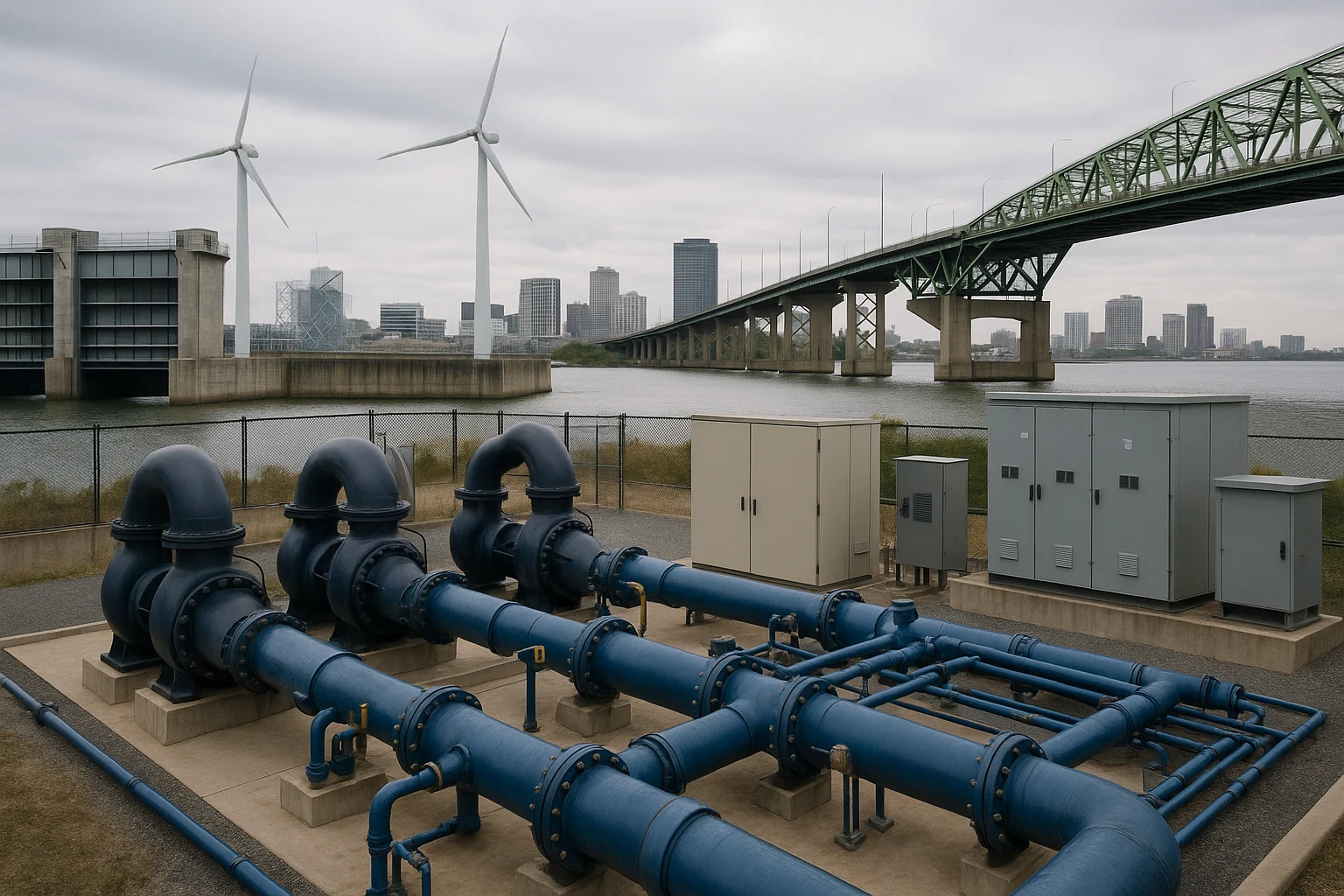
The coastal cities of the USA face unique challenges posed by rising sea levels, increased storm intensity, and other climate-related issues. To address these challenges, engineers, architects, builders, and real estate professionals are tasked with developing resilience strategies that protect infrastructure and communities. However, misconceptions about these strategies often hinder progress. This article will clarify these myths and present the facts surrounding coastal city resilience.
Myth 1: Coastal Resilience is Only About Building Barriers
Fact: While physical barriers like seawalls and levees are important, true resilience encompasses a range of strategies including natural infrastructure, community planning, and policy reforms. Relying solely on barriers can create a false sense of security.
- Natural infrastructure involves the restoration of wetlands and dunes, which absorb storm surge and enhance biodiversity.
- Community engagement in planning processes ensures that local needs are addressed, promoting adaptive capacity.
- Policies that encourage sustainable land use help mitigate long-term vulnerabilities.
Myth 2: Resilience Strategies are Inaccessible Due to High Costs
Fact: Although initial investments in resilience measures can be significant, the long-term savings and benefits can far outweigh these costs. Investments in resilient infrastructure often lead to decreased damage costs and increased property values.
- Every $1 invested in disaster mitigation can save communities approximately $6 in disaster recovery costs.
- Insurance rates and property values are likely to benefit from proactive resilience measures, making them financially viable over time.
Myth 3: Climate Adaptation is a One-Time Effort
Fact: Resilience planning is an ongoing process. As climate conditions evolve, so too must the strategies employed. Continuous monitoring, assessment, and adaptation to new data are vital.
- Regular assessments help identify vulnerable areas and inform necessary adaptations.
- Collaboration between public agencies and private stakeholders can facilitate the integration of new technologies and methodologies.
Myth 4: Resilience Strategies Do Not Address Social Justice
Fact: Effective resilience strategies must incorporate social equity. Vulnerable communities often bear the brunt of climate impacts, and equitable strategies ensure that all community members are protected.
- Inclusive planning processes can lead to solutions that address the specific needs of marginalized populations.
- Equitable access to resources and recovery efforts can mitigate disparities during climate emergencies.
Myth 5: Technology Can Solve All Resilience Issues
Fact: While technology plays a crucial role, it is not a panacea. Resilience strategies must combine technological solutions with traditional methods and community engagement.
- Innovations like predictive analytics and remote monitoring enhance responsiveness but should not replace hands-on community involvement.
- Collaboration across disciplines ensures technology is applied effectively and in context.
Myth 6: All Coastal Cities Face the Same Threats
Fact: Coastal cities vary significantly in their vulnerabilities and resilience needs, dictated by local geography, demographics, and infrastructure. Strategies must be tailored to each location.
- For example, Miami may prioritize flood management differently than New York, reflecting diverse geographical risks.
- Local stakeholder input is essential to develop strategies that are relevant and effective.
Myth 7: Public Participation is Not Needed in Resilience Planning
Fact: Community involvement is crucial for the success of resilience strategies. Without buy-in and input from local residents, initiatives may fail to address the needs of those most affected by climate impacts.
- Public engagement fosters trust and aids in the identification of local challenges and opportunities.
- Community-driven solutions often lead to more sustainable and accepted outcomes.
Conclusion
Coastal resilience strategies are essential for maintaining the integrity of urban environments in the wake of climate change. By dispelling myths and embracing facts, civil engineers, architects, builders, and real estate professionals can create effective, sustainable solutions that protect communities. Understanding that coastal resilience involves multifaceted strategies – not just barriers – is crucial for the future of our coastal cities. Active participation, equitable planning, and continual adaptation will ensure that these strategies meet the ever-evolving challenges posed by climate change.