Engineering the Future: Insights on Metros, Cavern Spans, Ground Freezing, and Sequencing in Germany
An in-depth Q&A exploration of advanced techniques in civil engineering applied to metro systems in Germany, focusing on cavern spans, ground freezing, and construction sequencing.
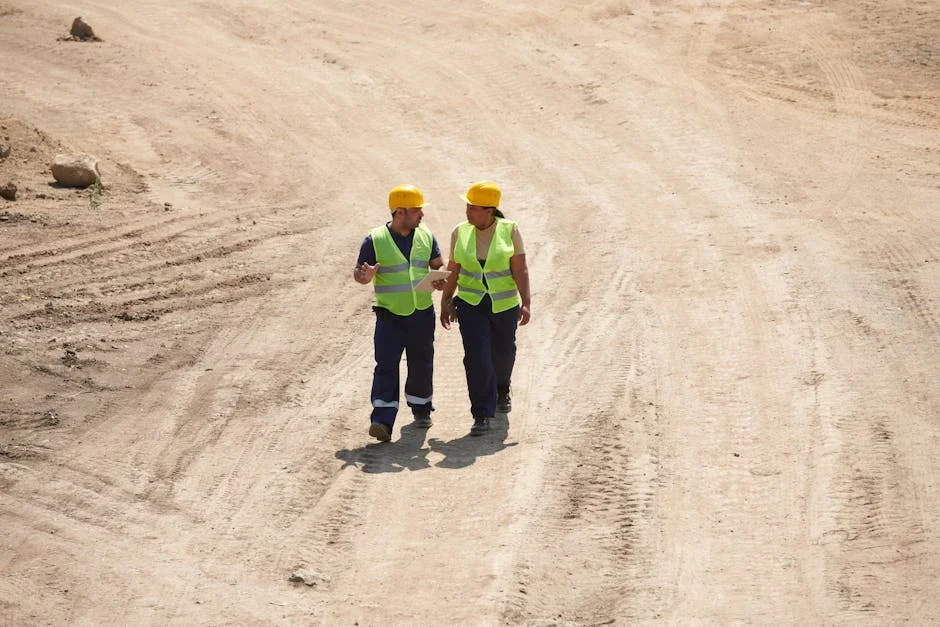
As urbanization accelerates, metro systems are becoming critical components of modern cities, particularly in Germany, where engineering excellence is a hallmark. We spoke with Dr. Hans Müller, a renowned civil engineer specializing in subterranean infrastructure, to delve into sophisticated techniques such as cavern spans, ground freezing, and construction sequencing. Here’s what he had to say:
Understanding Cavern Spans
Q: Dr. Müller, can you explain what cavern spans are and their relevance in metro construction?
A: Certainly. Cavern spans refer to large, often underground voids created for various purposes, such as housing metro stations or tunnels. In the context of metro construction, these caverns allow for the accommodation of multiple tracks and connections while also providing space for operational facilities. Their relevance lies in optimizing land usage in densely populated areas. For instance, the Munich U-Bahn utilizes cavern spans effectively to maintain service efficiency in urban settings.
These spans are engineered to accommodate significant loads and vibrations from passing trains, which necessitates advanced design and construction techniques. Additionally, the acoustic and safety considerations are paramount, making cavern construction a complex yet rewarding aspect of metro engineering.
The Role of Ground Freezing
Q: Ground freezing is a technique often mentioned in underground construction. Can you explain its application and advantages?
A: Ground freezing involves the use of artificial refrigeration to lower the temperature of the ground, thereby solidifying the soil and allowing for safe excavation without the risk of collapse. In Germany, particularly in urban areas with a high-water table, this technique has been invaluable. It enables us to create stable conditions for tunneling and cavern construction where soil integrity might otherwise be compromised.
This method not only improves construction safety but also minimizes the impact on surrounding structures and infrastructure. For example, in the Berlin metro expansion project, we applied ground freezing to maintain soil stability near existing buildings, ensuring they would not be affected by our excavation activities.
Construction Sequencing: Timing is Everything
Q: How does construction sequencing influence the success of metro projects?
A: Construction sequencing is about strategically planning and executing tasks to optimize project timelines and resource allocation. In metro projects, it is crucial. Each phase of construction must be carefully coordinated with others to avoid delays. For instance, in Hamburg's U-Bahn extensions, we employed a staggered approach to handle simultaneous tasks, such as tunneling and station construction, effectively reducing idle time.
Moreover, good sequencing minimizes disruption to the urban environment, particularly in busy metropolitan areas, allowing us to keep traffic flows moving and local businesses operational during construction.
Technological Innovations in Metro Construction
Q: Are there any recent technological advancements that significantly impact metro construction?
A: Absolutely. Digital technologies such as Building Information Modeling (BIM) and geographical information systems (GIS) have transformed how we plan and execute metro projects. These tools allow for precise modeling of the construction environment and enable teams to anticipate potential challenges before they arise.
Moreover, the use of automated machinery and robotics is increasing in tunneling and excavation processes, improving safety and efficiency. For example, remote-controlled tunnel boring machines can operate in challenging conditions that would be hazardous for human workers.

Environmental Considerations in Metro Engineering
Q: As sustainability becomes a priority, how do metro projects consider environmental impacts?
A: Environmental impact assessments are now fundamental to any metro project. In Germany, we perform thorough evaluations to understand how construction activities will affect local ecosystems, air quality, and noise levels.
We also strive to incorporate sustainable practices, such as using recycled materials and implementing noise reduction technologies. The ongoing expansions of metro lines in Stuttgart, for instance, prioritize minimizing the project's carbon footprint and fostering biodiversity in the surrounding areas.
The Future of Metro Systems in Germany
Q: Dr. Müller, what do you foresee for the future of metro systems in Germany?
A: The future is bright but challenging. With increased urban populations, the demand for efficient public transport systems will rise. We will see greater investments in metro infrastructures that are not only efficient but also resilient to climate change impacts.
Collaboration across disciplines—engineering, urban planning, and environmental science—will be essential for creating metro systems that meet future needs sustainably. Furthermore, innovations in electrification and smart technologies for metro systems will revolutionize how we approach urban mobility.
Conclusion
In conclusion, as cities continue to grow, the importance of well-engineered metro systems cannot be overstated. The integration of cavern spans, ground freezing, and meticulous construction sequencing, combined with modern technologies, presents an exciting future for civil engineering in Germany. Insights from experts like Dr. Hans Müller underline the complexity and ingenuity required in the field, paving the way for sustainable urban transit solutions.