Essential Civil Engineering Checklist for Sustainable Infrastructure in Germany
This comprehensive checklist outlines the key considerations for civil engineering projects aimed at sustainability in Germany, focusing on regulations, materials, and best practices.
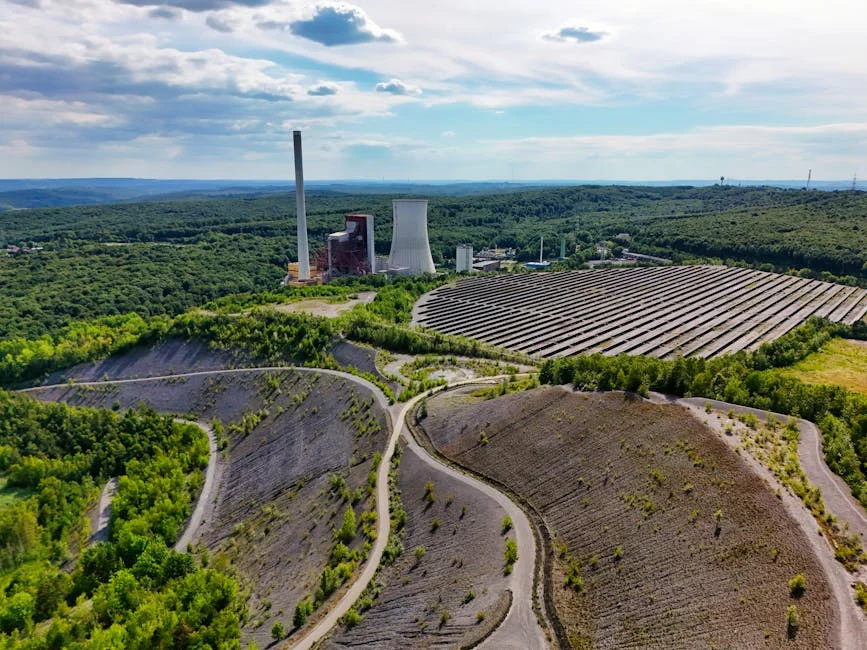
As the demand for sustainable development grows, civil engineering in Germany has become increasingly focused on creating infrastructure that meets both environmental and societal needs. This checklist serves as a practical guide for engineers, architects, builders, and real estate professionals, ensuring that all critical aspects of sustainable engineering are considered from project conception to completion.
1. Understanding Regulatory Frameworks
Before diving into any engineering project, it is crucial to understand the regulatory context in which the project will unfold. For civil engineers in Germany, this involves familiarizing oneself with various codes and standards.
- Building Codes: Familiarize yourself with the Landesbauordnung (state building regulations) applicable in the specific federal state.
- Environmental Regulations: Understand the Bundes-Immissionsschutzgesetz (Federal Immission Control Act) and other related environmental protection laws.
- Sustainability Standards: Incorporate standards such as the DGNB (German Sustainable Building Council) certifications into the design and materials used.
2. Selecting Sustainable Materials
Material selection is a foundational aspect of sustainable civil engineering. The choice of materials affects not only the environmental footprint of a project but also its longevity and overall performance.
- Renewable Resources: Prioritize materials such as timber from sustainably managed forests.
- Recycled Materials: Use materials that have been recycled or repurposed, such as reclaimed concrete or steel.
- Low-Impact Products: Opt for low-VOC paints and finishes to minimize indoor air pollution.

3. Designs that Promote Energy Efficiency
Incorporating energy efficiency into structural designs is vital for reducing long-term operational costs and energy consumption.
- Passive Solar Design: Implement design features that take advantage of natural sunlight to heat and light spaces.
- Insulation: Ensure that insulation materials meet or exceed the current thermal performance standards to reduce heating and cooling demands.
- Renewable Energy Systems: Consider integrating photovoltaic systems or geothermal heating to offset energy use.
4. Site Considerations and Management
Managing the construction site sustainably is as crucial as the design and material choices made for any project.
- Site Assessment: Conduct thorough environmental assessments to understand the existing conditions and potential impacts on local ecosystems.
- Waste Management Plan: Develop a comprehensive waste management strategy to minimize construction waste and promote recycling.
- Erosion Control: Implement erosion and sediment control measures during construction to protect local waterways from runoff.
5. Engagement with Stakeholders
Effective communication with all stakeholders is key to the success of sustainable civil engineering projects.
- Community Involvement: Engage local communities in the planning process to understand their needs and gather valuable feedback.
- Interdisciplinary Collaboration: Work closely with environmental scientists, urban planners, and architects to ensure a holistic approach to project design.
- Regular Updates: Maintain transparency throughout the project lifecycle with regular updates to stakeholders and the public.
6. Quality Assurance and Control
Implementing effective quality assurance and control practices is essential in ensuring that sustainability goals are met throughout the project.
- Regular Inspections: Schedule quality control inspections at various stages of the project to address any issues early.
- Documentation: Keep detailed records of materials used, processes followed, and compliance with applicable standards.
- Feedback Loops: Establish mechanisms for feedback from site workers and stakeholders regarding construction processes and practices.
7. Post-Construction Evaluation
Once a project is completed, evaluating its performance against sustainability goals helps identify areas for improvement in future projects.
- Building Performance Monitoring: Implement systems to monitor energy use, water efficiency, and indoor air quality over time.
- Post-Occupancy Evaluations: Solicit feedback from occupants regarding their experience of the built environment.
- Lessons Learned: Document insights gained during the project lifecycle to inform future designs and methodologies.
Conclusion
The journey toward sustainable civil engineering in Germany requires a comprehensive approach that encompasses regulatory compliance, material selection, site management, stakeholder engagement, quality control, and post-construction evaluation. By following this checklist, engineers, architects, builders, and real estate professionals can contribute positively towards building a more sustainable future in infrastructure development.