Hydraulic Modeling of Storm Surge Barriers: A Comprehensive Guide
This article examines the principles, techniques, and challenges associated with hydraulic modeling of storm surge barriers, essential for coastal protection and planning.

As climate change continues to pose significant threats to coastal communities, the design and implementation of storm surge barriers have become pivotal in flood risk management. Hydraulic modeling serves as a critical tool in the development of these barriers, providing engineers with the insight necessary to predict water behavior during storm events. This article will explore the principles of hydraulic modeling, the methodologies utilized in designing storm surge barriers, and the challenges faced during the modeling process.
Understanding Storm Surge Barriers
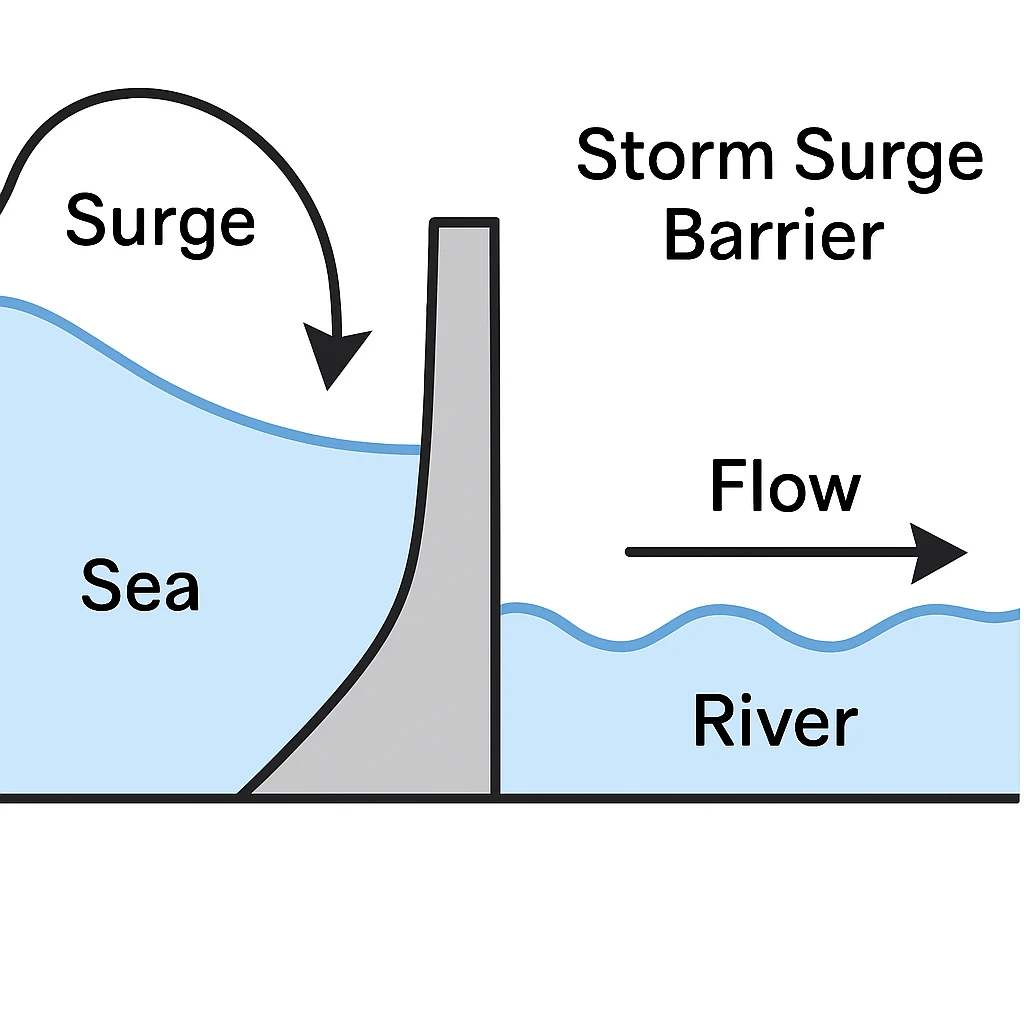
Storm surge barriers are engineered structures designed to protect coastal areas from flooding caused by storm surges—rapid increases in sea level due to atmospheric pressure changes and high winds during a storm. Effective barrier designs need to account for various hydrodynamic factors including storm surge height, wave action, and coastal topography.
The Role of Hydraulic Modeling
Hydraulic modeling involves simulating the physical behaviors of water flow and sediment transport. In the context of storm surge barriers, it is crucial for:
- Determining the optimal height and design of barriers.
- Assessing the impact of tidal fluctuations and storm surge events.
- Identifying potential flooding zones and areas of high risk.
- Evaluating the effectiveness of barrier systems.
By utilizing hydraulic models, engineers can create a virtual representation of the coastal environment and analyze water behavior in response to various conditions. This predictive capability is essential for making informed decisions regarding barrier design and placement.
Types of Hydraulic Models
There are several types of hydraulic models that can be utilized in the design of storm surge barriers, each with its own advantages and limitations. The primary categories include:
- Physical Models: Scale models built to replicate real-world conditions. While highly accurate, they can be expensive and time-consuming to construct and operate.
- Numerical Models: Computer-based simulations that solve the equations governing fluid motion. Common approaches include the use of Computational Fluid Dynamics (CFD) and Finite Element Analysis (FEA).
- Hybrid Models: A combination of physical and numerical modeling techniques, allowing for more comprehensive analyses by leveraging the strengths of both methods.
Key Considerations in Model Development
The development of an effective hydraulic model involves several considerations. Here are critical factors that should be evaluated:
- Data Collection: Accurate data on historical storm events, sea level rise, and tidal patterns is vital for model validation.
- Boundary Conditions: Establishing precise inflow and outflow conditions in the modeling environment is necessary to replicate real-world scenarios.
- Calibration and Validation: Models need to be calibrated against observed data and validated to ensure they accurately predict real-world events.
- Future Scenarios: Including projections for climate change impacts such as sea-level rise and increased storm frequency is critical for long-term planning.
Challenges in Hydraulic Modeling of Storm Surge Barriers
Despite its advantages, hydraulic modeling presents several challenges that engineers must navigate:
- Complex Environmental Interactions: Coastal environments are influenced by numerous variables including wind patterns, vegetation, and human intervention, complicating model accuracy.
- Uncertainty in Projections: The unpredictability of extreme weather events makes forecasting difficult, leading to challenges in model reliability.
- Computational Resources: High-resolution models require significant computational power and can result in long processing times.
- Stakeholder Engagement: Involving stakeholders in the modeling process and communicating findings effectively can be a hurdle, especially in projects with significant community impact.
Case Studies of Successful Storm Surge Barrier Implementation
Various storm surge barrier projects exemplify the effective use of hydraulic modeling. Below are notable examples that demonstrate best practices in storm surge barrier design and implementation:
| Project | Location | Modeling Techniques Used | Outcome |
|---|---|---|---|
| New Orleans Surge Barrier | New Orleans, Louisiana | Numerical modeling with CFD simulations | Protection against Hurricane Katrina-type events, reduce flooding risk significantly. |
| Thames Barrier | London, England | Physical modeling for initial design; numerical simulations for operational assessments | Successfully mitigates flood risk during storm surges and high tides. |
| Hollandse Ijssel Barrier | Rotterdam, Netherlands | Integrated modeling approaches | Enhanced flood protection, adaptable to changing water levels. |
The Future of Hydraulic Modeling in Storm Surge Barrier Design
As advancements in technology and data analytics continue to evolve, the future of hydraulic modeling in storm surge barrier design looks promising. Key trends shaping this future include:
- Machine Learning and AI: These technologies can enhance predictive capabilities, allowing for better understanding of storm behavior and more efficient model calibrations.
- Real-time Data Integration: Utilizing live data feeds from weather monitoring systems and tidal gauges can significantly improve model accuracy and responsiveness.
- Public Engagement Tools: Enhancements in visualization tools can help communicate complex modeling outcomes to stakeholders and the public.
Conclusion
The hydraulic modeling of storm surge barriers is an essential component in the management of coastal flood risk. By effectively simulating water behaviors and accounting for environmental complexities, engineers can develop robust and effective storm surge barriers. While challenges continue to persist, ongoing advancements in modeling techniques and technologies are paving the way for more resilient coastal infrastructure. As we move forward, embracing innovative methodologies and fostering community involvement will be crucial to ensuring the protection of vulnerable coastal regions against the increasing threats posed by climate change.