Port Breakwater Rehabilitation Under Climate Risk: Strategies and Solutions
This article delves into the critical challenge of rehabilitating port breakwaters in the face of climate risks, providing engineers and architects with practical strategies.
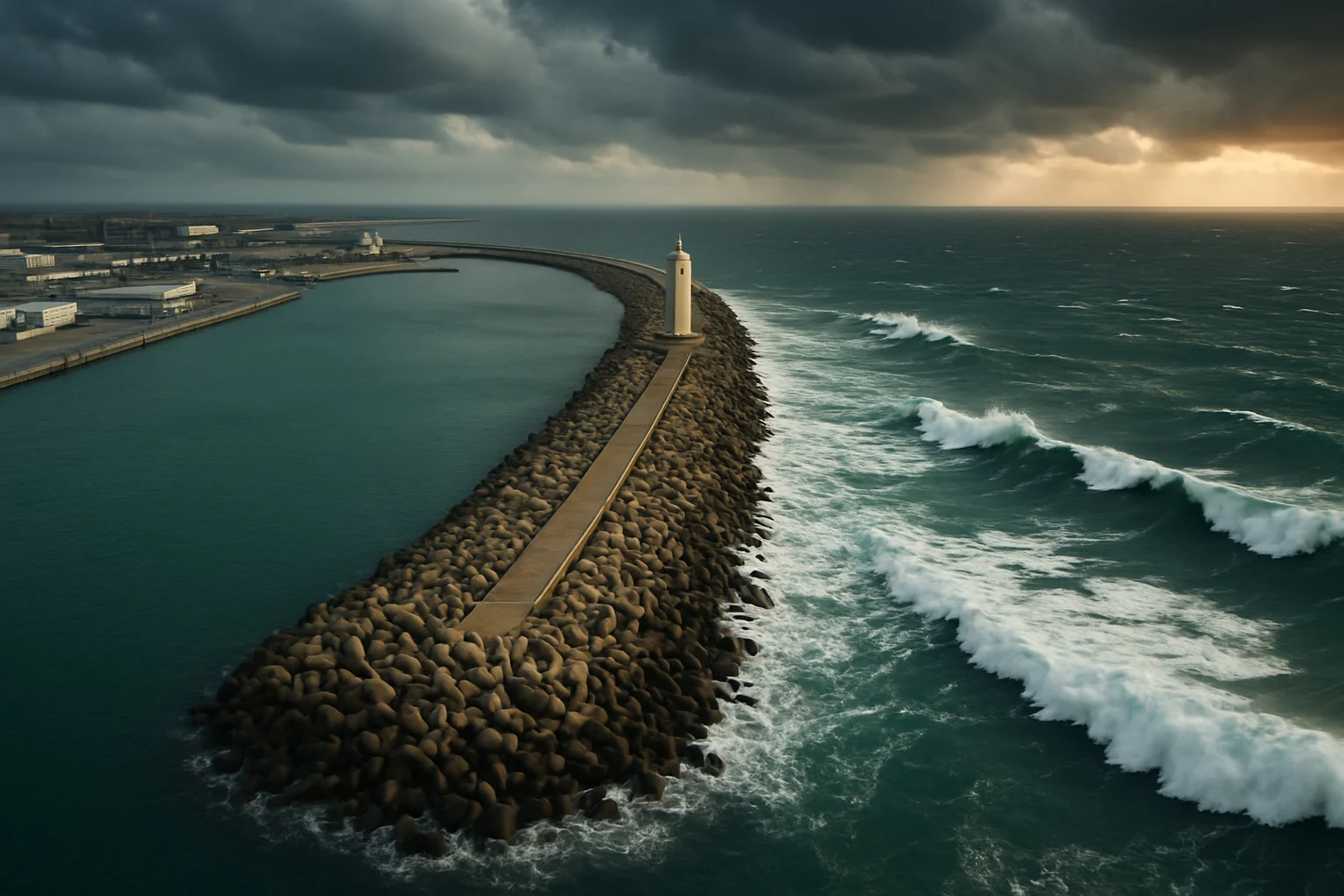
The impacts of climate change are becoming increasingly evident across various sectors, with civil engineering facing unique challenges, particularly in coastal and marine infrastructure. Port breakwaters play a critical role in protecting harbors and ensuring operational efficiency. However, they're not immune to the escalating risks associated with climate change, such as rising sea levels, increased storm intensity, and coastal erosion. This article explores rehabilitation strategies for port breakwaters, focusing on practical solutions to mitigate these climate risks.
The Importance of Port Breakwaters
Port breakwaters serve as vital structures that protect harbors from waves, currents, and sediments. They enhance the safety and efficacy of maritime operations by providing calm waters for docking and loading vessels. In the face of climate change, the importance of these structures is magnified, as they must now contend with more aggressive marine conditions.
Climate Risks Impacting Port Breakwaters
Understanding the climate-related risks that threaten breakwater integrity is critical for implementing effective rehabilitation strategies. Some of the key risks include:
- Sea-Level Rise: A gradual increase in sea levels can lead to overtopping and erosion of the breakwater structures.
- Increased Storm Intensity: More frequent and severe storms challenge the structural resilience of breakwaters, which were designed based on historical data.
- Erosion: Coastal erosion can undermine the stability of breakwaters, reducing their effectiveness over time.
- Climate-Induced Geotechnical Changes: Changes in groundwater levels and soil properties can affect the foundation of breakwater structures.
To address these challenges, rehabilitation efforts must be proactive rather than reactive, integrating modern engineering practices and climate resilience planning.

Assessment of Existing Breakwater Conditions
The first step in rehabilitating port breakwaters is a thorough assessment of existing conditions. This process should encompass:
- Visual Inspections: Regular inspections can identify visible damage, erosion, or structural failures.
- Structural Analysis: Evaluating the load-bearing capacity and overall integrity of the breakwater using advanced modeling techniques.
- Geotechnical Surveys: Conducting soil and sediment analysis to ascertain the effects of climate change on stability.
- Hydrodynamic Studies: Assessing wave patterns and currents to understand the impacts on the breakwater under various climate scenarios.
Strategies for Rehabilitation
Once the assessment is complete, engineers can proceed with a variety of rehabilitation strategies, tailored to the specific challenges identified:
1. Structural Reinforcement
One common strategy for breakwater rehabilitation is structural reinforcement. This may involve:
- Adding Armor Stones: Increasing the mass and size of armor stones can enhance resistance to wave action.
- Reinforced Concrete Elements: Incorporating reinforced concrete overlays can improve structural integrity and extend lifespan.
- Geosynthetics: Utilizing geotextiles can provide additional support and reduce erosion behind the breakwater.
2. Elevation Adjustments
As sea levels rise, elevating the existing breakwater structure may be necessary. This can include:
- Raising Seawalls: Increasing the height of seawalls to prevent overtopping.
- Adding Material: Placing additional material on the breakwater to increase its height without compromising stability.
3. Environmental Integration
Incorporating natural elements can enhance breakwater resilience. Strategies include:
- Living Shorelines: Using native vegetation can stabilize sediments and reduce wave impact.
- Artificial Reefs: Creating reef structures can dissipate wave energy and protect the breakwater.
4. Monitoring and Maintenance
Establishing a rigorous monitoring program to regularly assess the condition of rehabilitated breakwaters is paramount. Key components include:
- Regular Inspections: Scheduled visual and structural inspections to identify early signs of wear.
- Data Collection: Utilizing sensors to monitor structural health and environmental conditions.
- Adaptive Management: Adjusting rehabilitation approaches based on monitoring outcomes and changing climate conditions.
Case Studies: Successful Rehabilitation Examples
Analyzing successful rehabilitation projects can provide valuable insights and guidance. Key examples include:
- Miami Beach, Florida: This project included elevating breakwaters and integrating green infrastructure to enhance resilience against storm surges.
- Port of Rotterdam, Netherlands: Reinforcement with larger armor stones and advanced hydrodynamic modeling has helped maintain operational safety amid rising sea levels.
- San Diego, California: A combination of artificial reefs and living shorelines has successfully improved coastal protection while enhancing marine habitat.
Conclusion
The rehabilitation of port breakwaters poses significant challenges in the face of climate risk. However, by conducting thorough assessments and implementing proactive and innovative strategies, civil engineers can significantly enhance the resilience of these critical infrastructures. As climate change continues to alter maritime conditions, it is imperative for engineering professionals to embrace adaptive management and incorporate cutting-edge technologies in their rehabilitation efforts, ensuring the longevity and functionality of harbor facilities for future generations.