Thermal Cracking Control and Construction Joints in Dam Engineering: A Case Study
This article investigates the critical aspects of thermal cracking control and the effective implementation of construction joints in dam construction within the EU context. Through a detailed mini case study, it highlights modern techniques and lessons learned in the field of civil engineering.
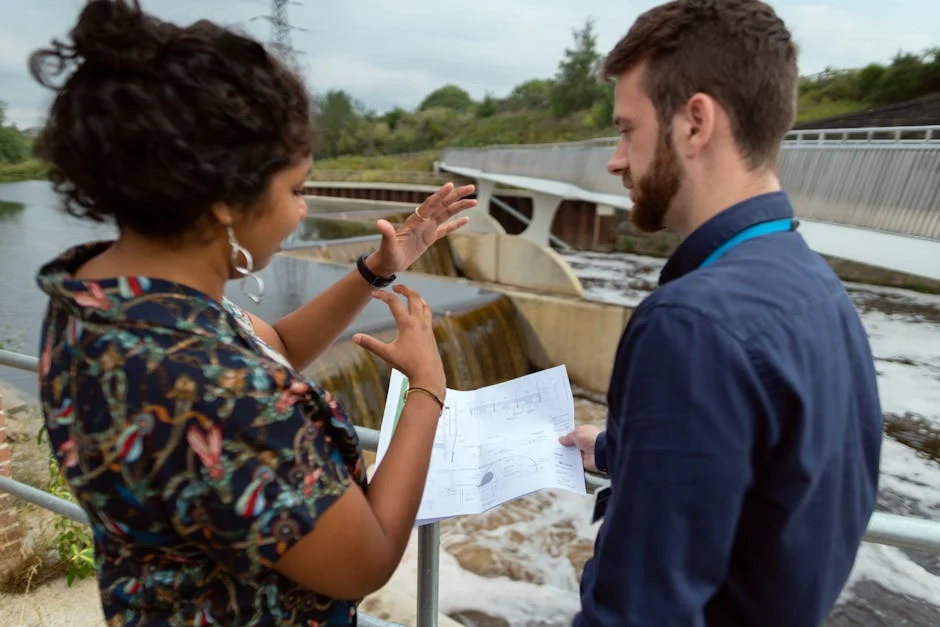
In the context of increasing infrastructure demands and climate variability, the construction and maintenance of dams have become critical in the European Union (EU). A primary concern during the construction phase is managing thermal cracking, which can significantly impact the durability and structural integrity of these massive structures. This article examines the principles of thermal cracking control and the role of construction joints in dam engineering through a case study focused on a major dam project in the EU.
Context
The implementation of the New Hydroelectric Dam Project on the Danube River in Eastern Europe set the stage for an insightful exploration into thermal cracking and construction joints. The project’s aim was not only to generate clean energy but also to enhance water management in the region and create recreational spaces.
Thermal cracking arises due to temperature differentials within concrete, influenced by the hydration heat of cement, ambient temperature variations, and the geometric configuration of structures. If not adequately controlled, thermal cracking can lead to excessive cracking which may compromise the dam’s functionality and safety.
Constraints Faced
The engineering team faced several constraints during the planning and construction phases:
- Limited budget and timeline due to funding stipulations from EU grants.
- Geological uncertainties in the riverbed, prompting dynamic design adaptations.
- Environmental regulations mandating minimal ecological disruption.
- The need for precise temperature monitoring technology amidst fluctuating weather conditions.
Solution: Managing Thermal Cracking and Construction Joints
To tackle the challenge of thermal cracking, various innovative approaches were employed:
Material Selection
The use of thermally controlled concrete was a significant breakthrough. This specialized concrete mix, designed with supplementary cementitious materials, provides enhanced thermal properties, reducing the risk of thermal shock during hydration. Additionally, carefully selected aggregates helped in controlling the heat of hydration.
Temperature Monitoring Systems
Advanced smart temperature monitoring systems were integrated at multiple points throughout the dam structure. These sensors allowed real-time data collection of internal temperatures and hydration rates, enabling engineers to proactively manage and mitigate temperature-induced stresses. Adjustments to curing methods were made based on real-time feedback.
Construction Joint Design
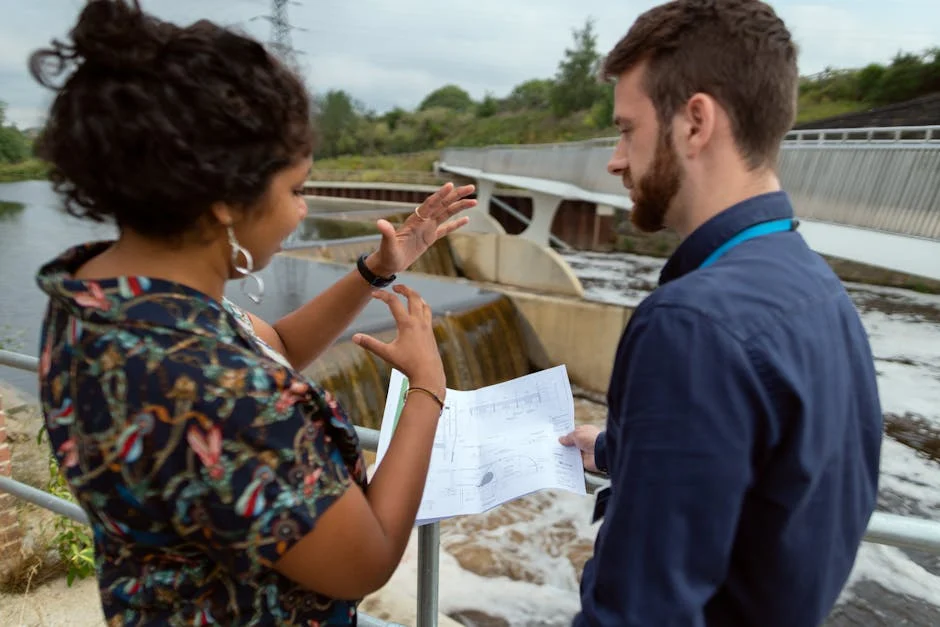
Construction joints were meticulously planned and executed to accommodate thermal expansion and contraction. The chosen design included:
- Interlocking Joint Systems: Interlocking joint design facilitated better load transfer, reducing stress concentrations at the joints. This design choice minimized the potential for inherent weaknesses in the structure.
- Sealing Techniques: Use of high-quality sealants and flexible materials around joints prevented water ingress and other environmental impacts that might exacerbate thermal cracking.
Results and Lessons Learned
The combination of strategic material choice and innovative design led to a successful construction phase, with minimal thermal cracking observed during the initial stages of the dam's operation. Monitoring data showed effective management of internal temperatures, contributing to the overall stability of the structure.
Key takeaways from the New Hydroelectric Dam case study include:
- Proactive Monitoring: Continuous monitoring is critical to the adaptive management of structures during the curing process.
- Collaboration with Material Scientists: Engaging with material experts can yield innovative solutions tailored to specific environmental conditions.
- Importance of Design Flexibility: Preparedness to adapt designs based on real-time data can significantly enhance structural resilience.
Conclusion
Thermal cracking control and effective construction joint design are fundamental to the successful delivery of dam projects in the EU and beyond. The experiences gained from the New Hydroelectric Dam illustrate the importance of integrating advanced materials, adaptive monitoring, and collaborative design processes. These strategies not only improve the structural integrity and lifespan of dams but also ensure compliance with stringent environmental standards, paving the way for sustainable infrastructure development.