The Role of Specialist Subcontractors in Delivering Complex Commercial Construction Projects
Explore the essential role of specialist subcontractors in commercial and industrial construction, from structural steel and cladding installation to engineered timber, project coordination, safety, and quality control.
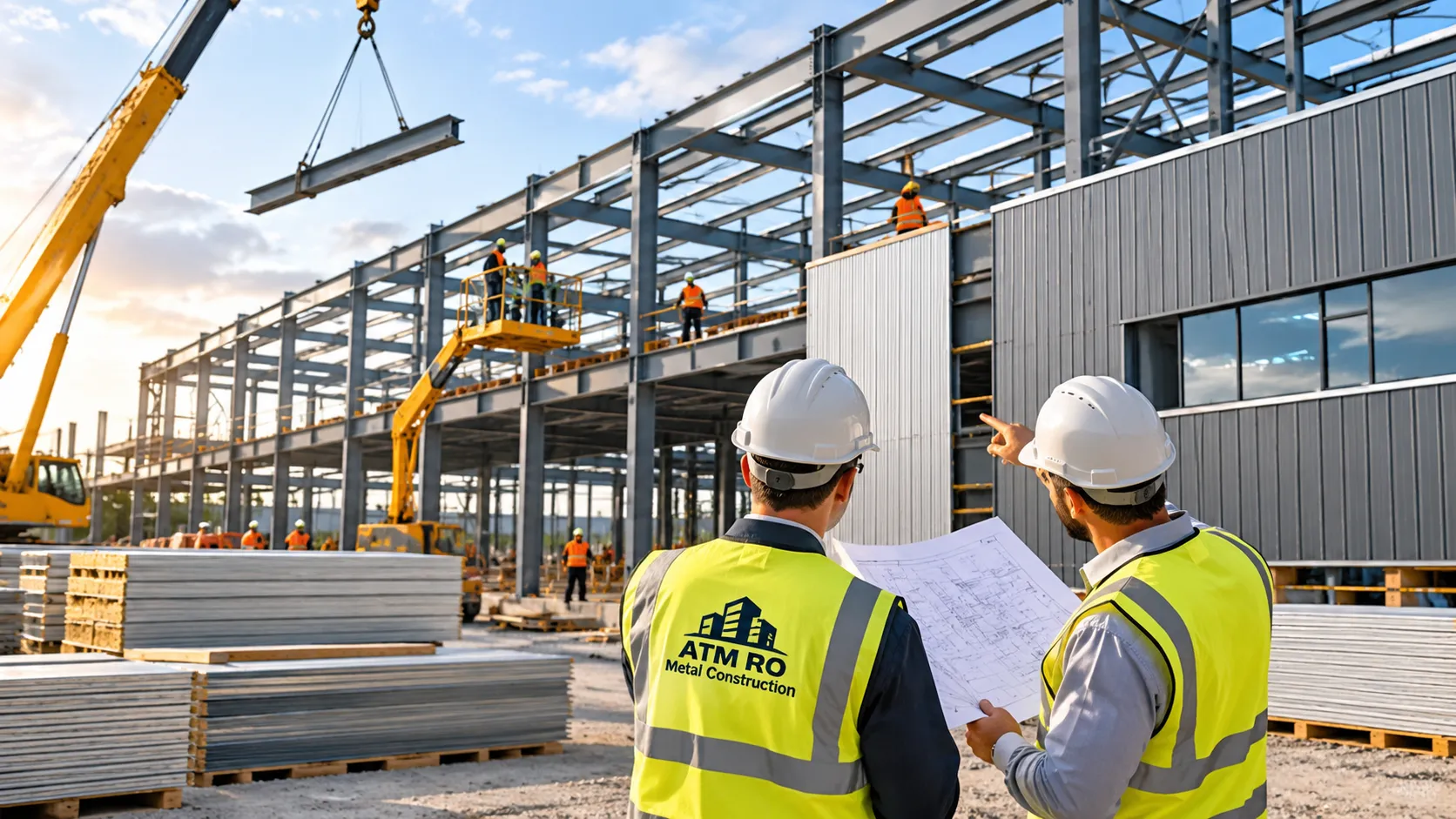
The successful delivery of modern commercial construction projects depends on more than architectural design and the availability of building materials. Behind every industrial facility, commercial development or large-scale infrastructure project is a complex process involving multiple contractors, engineering disciplines and installation teams. Coordinating these activities effectively is essential to maintaining construction quality, controlling costs and meeting project deadlines.
As buildings become increasingly sophisticated, general contractors are relying on specialist subcontractors to perform technically demanding installation work. Structural steel assembly, industrial cladding, roofing systems and engineered timber construction all require specific expertise, equipment and practical experience. Selecting the right installation partners can have a significant impact on the overall performance of a construction project.
Structural steel remains a fundamental component of commercial and industrial development. Its strength, durability and versatility allow engineers to design buildings with large open spaces, substantial spans and flexible internal layouts. Warehouses, manufacturing facilities, logistics centers and commercial buildings frequently rely on steel frameworks to provide the necessary structural support.
However, the successful implementation of a steel structure involves several stages beyond manufacturing. Components must be transported, positioned and assembled according to approved engineering drawings and installation procedures. Steel columns, beams, connections and bracing systems require accurate positioning to ensure structural integrity and alignment.
Professional steel erection teams play an important role in this process. Their work involves coordinating lifting operations, assembling structural components, checking connections and ensuring that installation activities follow the construction program. Site conditions, crane access, delivery schedules and temporary structural stability must all be considered before installation begins.
For general contractors, working with experienced structural steel installation specialists can help reduce coordination difficulties and improve the efficiency of the construction process. This is particularly important on large industrial projects where several installation activities must progress simultaneously.
Another essential element of commercial construction is the building envelope. Cladding systems protect the internal structure from environmental conditions while contributing to thermal performance, durability and architectural appearance. Industrial and commercial buildings commonly use metal cladding because of its adaptability, relatively straightforward installation and suitability for different architectural designs.
The installation of cladding systems requires close coordination with the supporting structure. Secondary steelwork, fixing arrangements, insulation layers and façade components must be compatible with the project's technical specifications. Even relatively small dimensional discrepancies can create problems during installation, potentially resulting in additional adjustments and delays.
Planning the relationship between structural steelwork and cladding at an early stage can help avoid these issues. When installation teams understand the requirements of subsequent construction activities, they can coordinate their work more effectively and reduce unnecessary handling of materials.
Engineered timber is another material gaining attention in contemporary commercial architecture. Glued laminated timber, commonly known as glulam, offers considerable design flexibility and can be manufactured into beams, columns and curved structural elements. Its use in public buildings, commercial developments and architectural projects demonstrates how traditional construction materials can be adapted to modern engineering requirements.
Glulam structures require specialised handling and installation procedures. Large timber components must be transported, stored and lifted carefully, with particular attention to moisture protection and connection details. When combined with steel or other structural materials, engineered timber can also form part of hybrid construction systems that take advantage of the properties of different materials.
The growing variety of construction systems makes coordination between subcontractors increasingly important. A commercial development may involve structural steel contractors, façade installers, roofing specialists, electrical teams and mechanical engineering companies, all working within the same construction environment.
Without effective coordination, overlapping activities can create scheduling conflicts, restricted site access and unnecessary delays. Material deliveries may arrive before the installation area is ready, lifting equipment may be required by several teams simultaneously, and unfinished structural elements may prevent other trades from progressing.
General contractors can reduce these challenges through detailed construction planning, clear communication and realistic installation schedules. Reviewing technical drawings before work begins, establishing responsibilities between contractors and monitoring progress throughout the project can help identify potential problems before they affect the construction programme.
Quality control is equally important. Installation work should be performed according to approved technical documentation, applicable standards and project-specific requirements. Regular inspections of structural connections, alignment, fixing systems and completed installations help ensure that the finished building meets its intended performance criteria.
Health and safety considerations must also remain central to construction planning. Structural assembly, crane operations and working at height involve significant risks that require appropriate equipment, trained personnel and carefully coordinated procedures. Specialist subcontractors must understand site safety requirements and cooperate with the general contractor's safety management arrangements.
The selection of subcontractors should therefore consider more than the initial installation price. Relevant project experience, technical competence, workforce availability, organisational capacity and the ability to work within international construction environments are all important factors. A contractor with the appropriate experience can contribute to smoother project execution and help general contractors manage demanding installation schedules.
International construction projects introduce additional considerations. Contractors may need to adapt to different national regulations, documentation requirements, working practices and coordination procedures. Communication between project managers, engineers and installation teams becomes especially important when several companies from different countries participate in the same development.
Across Europe, industrial and commercial construction continues to create opportunities for specialist installation companies capable of supporting complex projects. From steel-framed logistics facilities and manufacturing buildings to modern commercial developments incorporating advanced cladding and engineered timber, the demand for reliable construction subcontractors remains significant.
ATM RO Metal Construction is a Romanian construction company providing specialist installation services in structural steel, metal structures, cladding and glulam construction. Its international project experience includes structural steel installation work in France and the Netherlands, cladding installation at a Google Data Centre in the Netherlands, and glulam construction at Gatwick Airport in the United Kingdom.
By working with specialist installation teams, general contractors can access the practical expertise required to execute technically demanding construction activities. The ability to coordinate structural systems, building envelopes and different construction trades remains an important factor in delivering durable, functional and efficiently completed commercial buildings.