4D and 5D Planning in Construction: Enhancing Procurement and Cash Flow Management
This comprehensive guide explores the innovative use of 4D and 5D planning methodologies in construction projects in Germany, focusing on their connection to procurement and effective cash flow management, while providing a practical checklist for implementation.
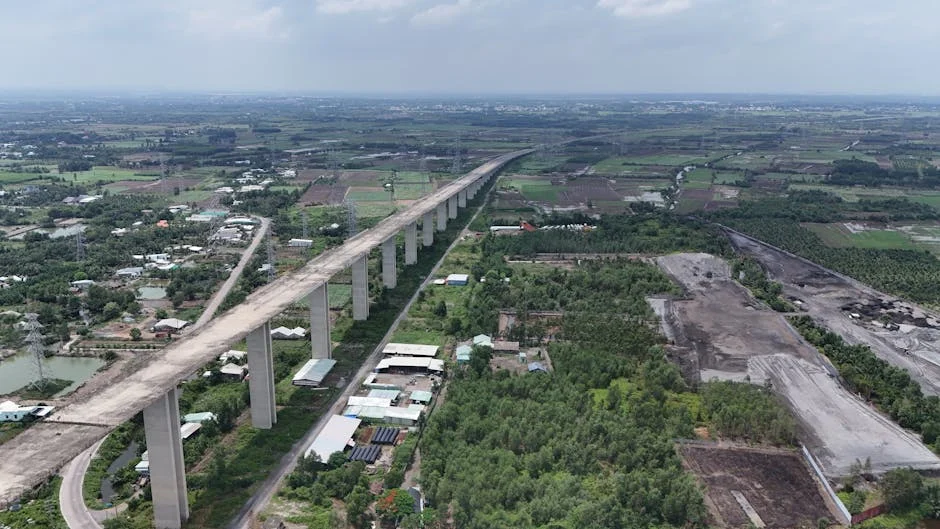
In the construction industry, effective planning and management are paramount to the success of any project. With the growing complexity of construction processes, professionals are increasingly turning to advanced methodologies such as 4D and 5D planning. These approaches not only streamline construction schedules but also enhance procurement processes and improve cash flow management. This article serves as a comprehensive guide on how to leverage 4D and 5D planning connected to procurement and cash flow in the context of construction in Germany.
Understanding 4D and 5D Planning
Before delving into procurement and cash flow implications, it’s essential to understand what 4D and 5D planning entails.
- 4D Planning: This incorporates the element of time into 3D models, allowing stakeholders to visualize the construction timeline. By integrating time-related data with 3D models, teams can better manage schedules and visualize project phases.
- 5D Planning: This adds the dimension of cost to the 4D planning model. It connects the materials, labor, and overhead costs with the construction schedule, enabling a comprehensive view of financial implications throughout the project lifecycle.
These methodologies foster better collaboration among architects, engineers, builders, and clients, leading to enhanced decision-making and improved project outcomes.

The Importance of Procurement in Construction
Procurement plays a crucial role in the successful execution of construction projects. It involves the process of acquiring goods and services needed to complete a project on time and within budget. Key aspects of procurement include:
- Supplier Selection: Choosing reliable suppliers for materials and services is essential to avoid delays and cost overruns.
- Contract Management: Effective contract negotiations can mitigate risks and ensure that the terms meet project requirements.
- Logistics Coordination: Timely material delivery is vital to keeping projects on schedule.
How 4D and 5D Planning Enhance Procurement
Integrating 4D and 5D planning into procurement processes leads to several benefits:
- Improved Visualization: 4D planning allows stakeholders to visualize the project timeline, enabling better scheduling of procurement activities.
- Cost Forecasting: 5D planning provides clear insights into anticipated costs tied to specific project phases, which aids in budgeting and supplier selection.
- Early Identification of Issues: By simulating the procurement process within the project timeline, potential delays can be identified early, allowing for proactive mitigation strategies.
- Enhanced Collaboration: Integrated planning fosters communication among all stakeholders, leading to better alignment on procurement needs and timelines.
Cash Flow Management in Construction Projects
Cash flow management is critical to sustaining the financial health of construction projects. Effective cash flow practices ensure that the project has sufficient liquidity to meet operational obligations, pay suppliers, and manage unforeseen challenges. Core principles include:
- Tracking Receivables: Regularly monitoring payments due from clients helps maintain a consistent cash flow.
- Budgeting: Creating a detailed budget that aligns with the project schedule can prevent cash shortages.
- Communication with Stakeholders: Maintaining open lines of communication with suppliers and clients regarding payment timelines can enhance trust and predictability.
The Role of 4D and 5D Planning in Cash Flow Management
Incorporating 4D and 5D planning methodologies within cash flow management practices can yield numerous advantages:
- Dynamic Cash Flow Forecasting: By linking costs to project schedules, stakeholders can create more accurate cash flow forecasts, adjusting for delays or unforeseen expenses.
- Budget Adjustments: Real-time data on project progress can inform timely budget adjustments, ensuring the project remains on financial track.
- Mitigation of Financial Risks: Early identification of potential delays contributes to risk reduction, enhancing financial control.
Checklist for Implementing 4D and 5D Planning
To effectively integrate 4D and 5D planning into procurement and cash flow management, consider the following checklist:
| Criteria | Acceptance | Common Pitfalls |
|---|---|---|
| Comprehensive 3D Model | Available and detailed representation of all construction elements. | Omitting key structural elements leads to planning gaps. |
| Integrated Timeline | Timeline linked to project milestones, procurement schedules, and critical paths. | Ignoring construction phase interdependencies results in inaccurate timelines. |
| Cost Data Integration | All costs associated with materials, labor, and overhead factored into the model. | Underestimating costs can lead to budget shortfalls. |
| Stakeholder Collaboration | Regular meetings and updates involving all team players. | Failure to communicate effectively can result in misinformation. |
| Dynamic Updates | Ability to reflect changes in real-time for timelines and budgets. | Static models hinder responsiveness to project changes. |
Conclusion
The integration of 4D and 5D planning methodologies represents a significant advancement in construction project management, particularly regarding procurement and cash flow management. By embracing these innovative strategies, construction professionals in Germany can enhance collaboration, streamline processes, and ultimately drive project success. With careful planning and adherence to our checklist, teams can effectively navigate the complexities of modern construction projects, ensuring that schedules and budgets are met while reducing financial risks.