Effective Risk Management Strategies in Construction Projects
Explore the critical aspects of risk management in construction projects, including identification, assessment, and mitigation strategies that ensure project success and sustainability.
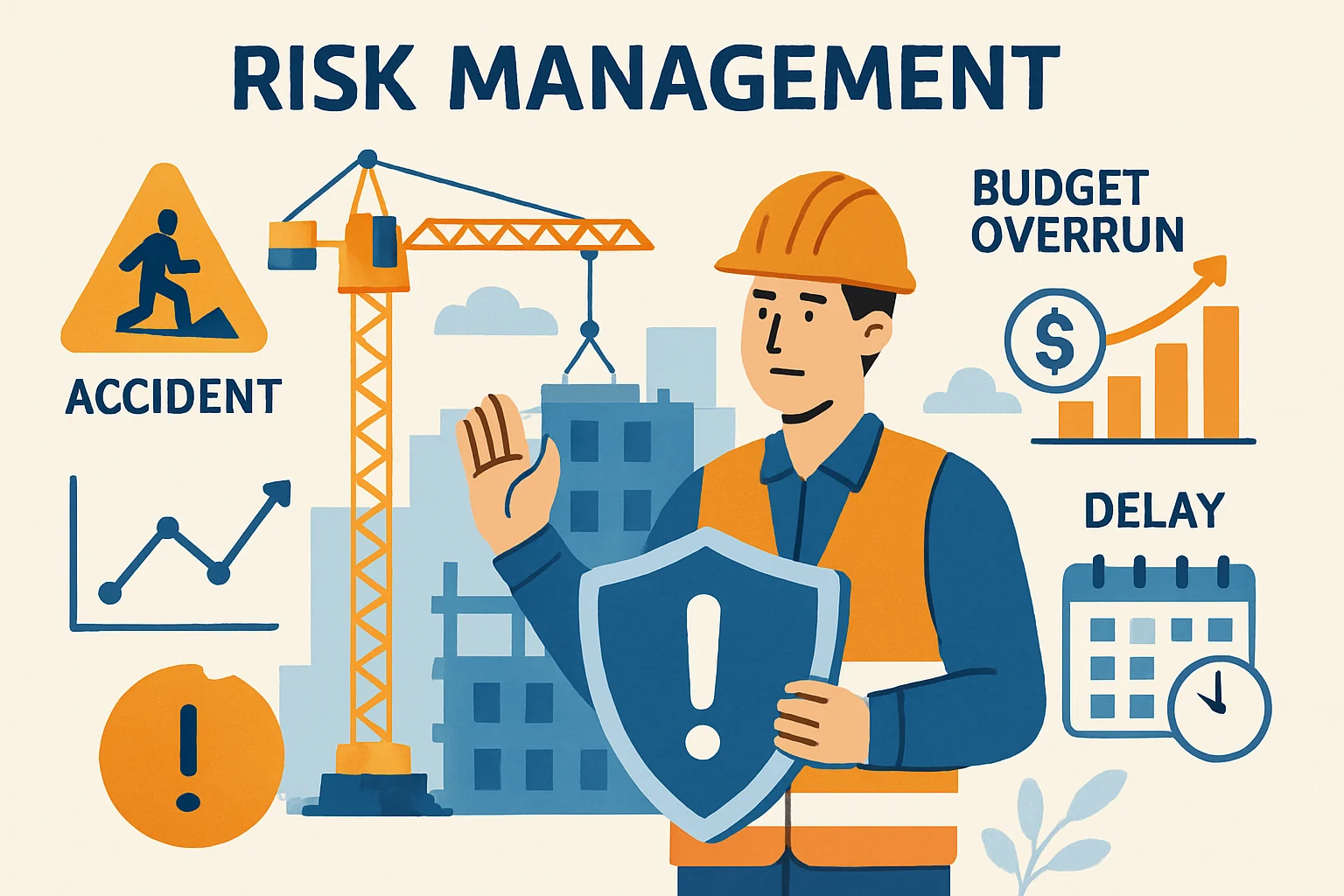
In the dynamic realm of construction, managing risk is pivotal to the success of any project. This article delves into the multifaceted components of risk management, offering meaningful strategies for engineers, architects, builders, and real-estate professionals. With substantial investments involved and the ever-changing nature of construction projects, implementing a robust risk management plan is essential for ensuring project viability and sustainability.
Understanding Risk in Construction
Risk in construction can be defined as the potential for unforeseen events to disrupt project timelines, budgets, and quality. By classifying these risks, stakeholders can proactively approach them. Risks may be categorized as:
- Financial Risks: Cost overruns, fluctuating material prices, and financing issues.
- Operational Risks: Delays due to labor shortages, equipment failures, or design changes.
- Environmental Risks: Natural disasters, site conditions, and regulatory changes.
- Technical Risks: Design flaws, construction errors, and technology failures.
- Legal Risks: Contractual disputes, litigation issues, and regulatory compliance failures.
Risk Identification Techniques
Identifying potential risks at the outset of a project is critical. Various techniques can be employed to capture these risks effectively:
- Brainstorming Sessions: Engaging team members in discussions can surface common concerns and areas of uncertainty.
- Checklists: Utilizing pre-defined lists of common project risks allows teams to systematically approach risk identification.
- Interviews and Surveys: Soliciting feedback from stakeholders can reveal unique insights into potential risks.
- SWOT Analysis: Assessing the project's strengths, weaknesses, opportunities, and threats can clarify risk areas.
Risk Assessment Methodologies
Once risks are identified, assessing them allows teams to prioritize them based on their likelihood and potential impact. Two primary assessment methods include:
- Qualitative Risk Assessment: This method evaluates risks based on subjective criteria, categorizing them as high, medium, or low. It considers the probability of occurrence and the potential consequences.
- Quantitative Risk Assessment: This approach uses statistical techniques to project potential impacts in numerical terms, often expressed in monetary values or time delays.
Tools for Risk Assessment: Risk matrices, software tools, and Monte Carlo simulations are instrumental in this phase, enabling a clear visual representation of risk levels across the project.
Risk Mitigation Strategies
Mitigation strategies aim to reduce the probability and impact of identified risks. The following strategies are commonly employed:
- Avoidance: Altering project plans to sidestep potential risks (e.g., selecting different materials to lessen environmental impact).
- Transfer: Sharing the risk with third parties, often through insurance or subcontracting specific tasks.
- Reduction: Implementing processes and practices that minimize the likelihood of the risk occurring, such as increased training for personnel.
- Acceptance: Recognizing that some risks may be unavoidable and preparing to manage their impacts when they occur.
Role of Technology in Construction Risk Management
The integration of technology in construction has revolutionized risk management. Key innovations include:
- Building Information Modeling (BIM): Facilitates visualization and simulation of construction processes, helping identify potential risks before they arise.
- Drones: Enable aerial site inspections, offering real-time data on site conditions, which assists in monitoring for environmental and operational risks.
- Project Management Software: Tools like Primavera and MS Project provide dashboards for tracking progress, identifying delays, and managing stakeholder communications effectively.

Case Studies: Successful Risk Management in Action
Understanding real-world applications of risk management can provide invaluable lessons. Here are a few noteworthy examples:
- Project A: A major infrastructure project identified severe weather as a significant risk. Through advanced forecasting technology, the contractor adapted scheduling to avoid peak storm seasons, significantly reducing delays.
- Project B: A commercial building project implemented BIM, allowing for predictive modeling to anticipate design flaws, ultimately decreasing rework and associated costs by 20%.
- Project C: In a residential housing development, effective stakeholder engagement identified community opposition early, allowing for strategic adjustments to plans that pleased both developers and residents.
Conclusion
Risk management in construction is an ongoing process that requires diligence, foresight, and adaptability. By implementing effective risk identification, assessment, and mitigation strategies, construction professionals can safeguard their projects against potential disruptions. As technology continues to evolve, it will undoubtedly enhance the ability to manage risks more efficiently, ensuring timely and effective project completion. Recognizing that risk is an inherent part of the construction process empowers stakeholders to navigate their projects with greater confidence and success.