Ensuring Structural Integrity: A Case Study of Material Testing and Approvals in Modern Construction
This case study delves into the critical role of material testing and approvals in construction projects. Through an analysis of a notable US building project, we explore the processes, challenges, and outcomes of rigorous testing protocols.
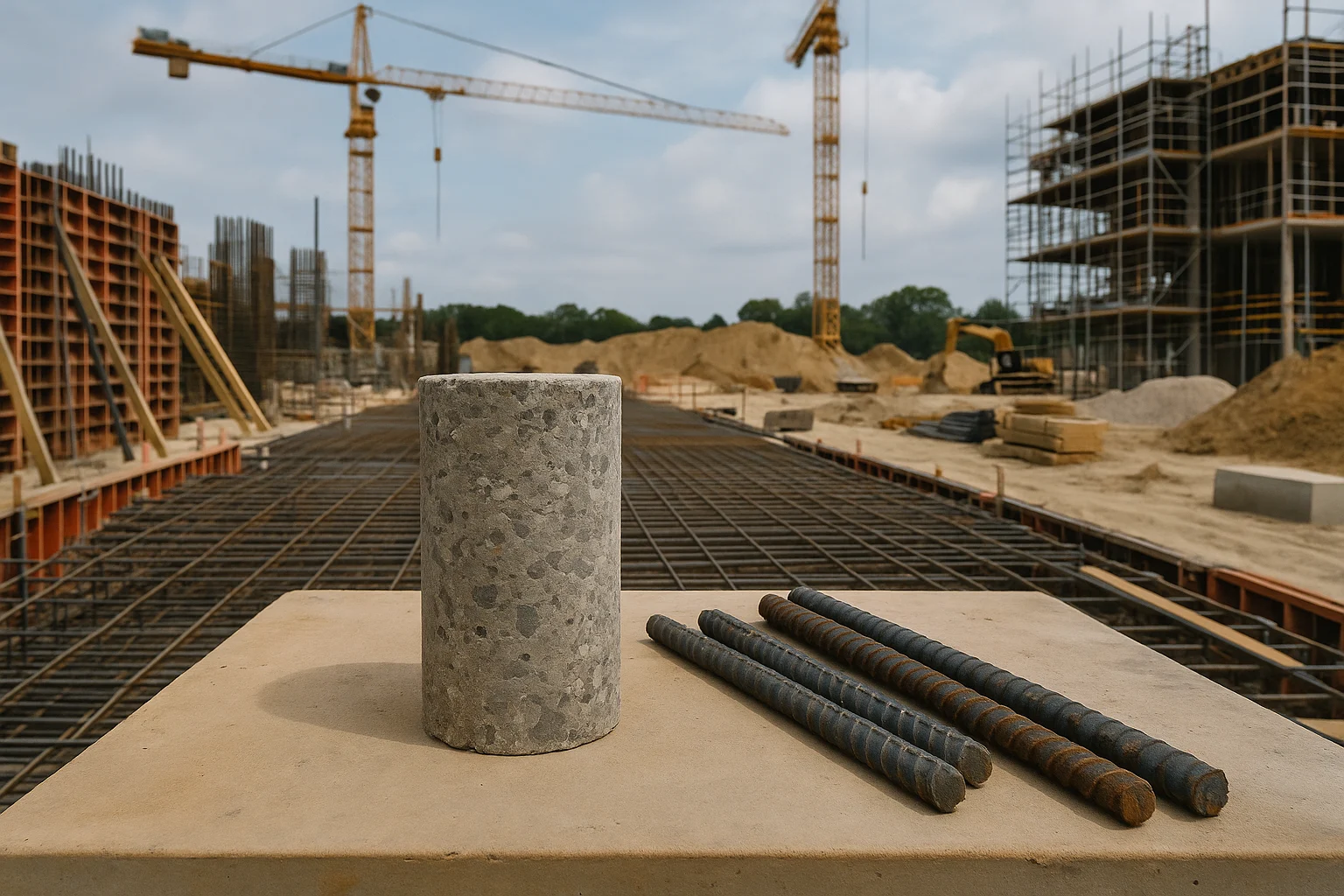
In the construction industry, the safety and durability of structures depend heavily on the quality of materials used. Material testing and approvals serve as crucial steps in ensuring that the materials meet the required standards for structural integrity and performance. This case study explores the material testing and approvals process encountered during the construction of a mixed-use commercial building in New York City.
Context
The project at hand involved the development of a 20-story mixed-use building, combining retail space on the lower floors with luxury apartments above. The site presented unique urban challenges, including limited space for staging materials, stringent city regulations, and the need to work with existing infrastructure.
Constraints
Throughout the project, several constraints impacted both the material selection and the testing processes:
- Regulatory Requirements: New York City has rigorous building codes that govern material specifications for safety, fire resistance, and environmental impact.
- Project Timeline: The construction schedule was tight, necessitating efficient testing to avoid delays.
- Site Limitations: The urban location limited the space available for storing materials and conducting tests, requiring innovative solutions.
- Environmental Concerns: Sustainability played a vital role in material selection, impacting testing requirements to ensure eco-friendly compliance.
Solution
To overcome these challenges, the project team implemented a comprehensive material testing and approval strategy that included the following components:
1. Pre-Construction Material Evaluation
Prior to starting construction, the project team conducted an in-depth evaluation of potential materials. This involved:
- Consulting with material suppliers to understand compliance with NYC regulations.
- Conducting preliminary tests on sample batches of concrete, steel, and insulation materials to assess performance characteristics.
- Engaging a third-party testing firm to verify results and provide unbiased assessments.
2. Rigorous In-Field Testing
To ensure ongoing compliance throughout the project:
- Materials delivered to the site were subject to immediate testing, including slump tests for concrete and tensile strength tests for steel.
- A sample of every batch of concrete was cast and tested for compressive strength at 28 days to ensure that performance standards were met.
- In-situ tests, such as the Schmidt hammer test, were conducted on concrete surfaces to verify consistency and quality without the need for significant sample removal.
3. Documentation and Approval Process
Proper documentation was essential to maintain transparency and track compliance:
- All test results were compiled into a centralized database accessible by engineers and project managers, facilitating real-time decision-making.
- Reports were generated for each testing stage and submitted to local building authorities for approval at key milestones.
- Regular inspections by third-party quality assurance teams ensured adherence to both testing protocols and city regulations.
Challenges Faced
Despite thorough planning, various challenges arose during the testing phase:
- Logistical Issues: Limited space on-site meant that material deliveries had to be timed meticulously to coincide with testing schedules.
- Weather Delays: Inclement weather affected the curing process of concrete, leading to delays in testing timelines.
- Communication Gaps: Initial miscommunication about testing protocols led to confusion among contractors and testing personnel.
Lessons Learned
The case study revealed several important lessons regarding the role of material testing and approvals in construction:
- Start Early: Engaging material suppliers and testing agencies early in the planning stage can help identify potential issues before they arise.
- Invest in Training: Regular training sessions for contractors and on-site personnel regarding testing requirements can reduce miscommunication and errors.
- Utilize Technology: Implementing software solutions for data management allows for better tracking of materials and testing outcomes.
- Build Relationships: Establishing clear communication lines with local regulatory bodies can expedite the approval process and foster trust.
Conclusion
Material testing and approvals are pivotal components of modern construction, contributing significantly to the safety and durability of structures. The case study of the mixed-use building in New York City showcases the importance of a structured approach to testing and compliance, emphasizing the need for meticulous planning, effective communication, and informed decision-making. By learning from the challenges faced and the strategies employed, engineers, architects, and builders can enhance their practices, ultimately leading to more successful and enduring construction projects.