Modern Construction Additives: Types, Functions, and Applications
Modern construction materials are expected to do much more than simply provide strength. Read more on Vision Constructors for practical industry insights.
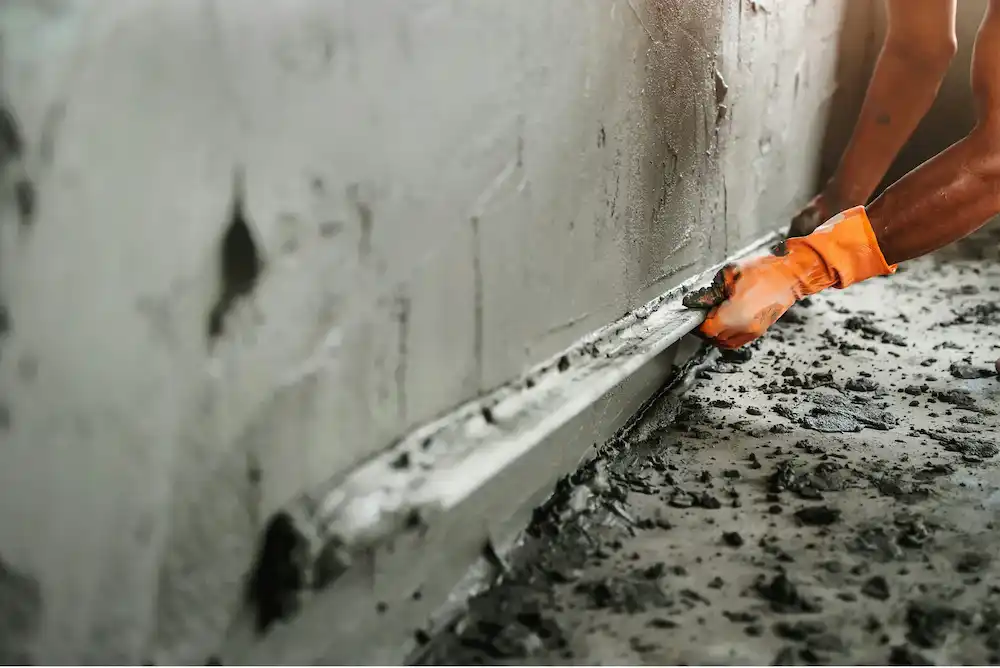
Modern construction materials are expected to do much more than simply provide strength. They need to be easier to mix and apply, offer reliable bonding, resist water and cracking, and maintain performance over time.
This is where construction additives come in. By adding relatively small amounts of functional materials to mortars, concrete, coatings, adhesives, and other building products, manufacturers can fine-tune properties that would otherwise be difficult to control.
Today, commonly used construction additives include cellulose ethers, redispersible polymer powders, starch ethers, water reducers, defoamers, water-repellent agents, fibers, polymer emulsions, and various functional additives.
What Are Construction Additives?
Construction additives are functional materials added to cement-based, gypsum-based, polymer-based, or other construction formulations to improve specific properties.
Unlike the main raw materials, additives are generally used in relatively small quantities. However, they can have a significant impact on the final product's workability, water retention, adhesion, flexibility, durability, setting behavior, and surface quality.
For example, a tile adhesive may contain cellulose ether to improve water retention and workability, while redispersible polymer powder can enhance adhesion and flexibility.
The right additive therefore depends largely on the material being produced and the performance requirements of the final application.
Common Types of Modern Construction Additives
1. Cellulose Ethers
Cellulose ethers such as HPMC, HEMC, MHEC, and CMC are widely used in dry-mix mortars and other construction formulations.
Their main functions include:
l Water retention
l Thickening
l Improved workability
l Better open time
l Improved adhesion
l Sag resistance
They are commonly found in tile adhesives, wall putties, plastering mortars, self-leveling compounds, and gypsum-based products.
For manufacturers, selecting the right cellulose ether grade is important because viscosity, water retention, gel temperature, and other properties can directly affect formulation performance.
2. Redispersible Polymer Powder
Redispersible polymer powder, commonly known as RDP, is another important additive for modern dry-mix mortar formulations.
When mixed with water, RDP redistributes into the formulation and forms a polymer film as the material dries. This can improve:
l Adhesion
l Flexibility
l Cohesion
l Crack resistance
l Water resistance
RDP is widely used in tile adhesives, external thermal insulation systems, repair mortars, self-leveling compounds, and wall putties.
3. Starch Ethers
Starch ethers are mainly used to modify the rheological and application properties of cement- and gypsum-based materials.
They can help improve:
l Anti-sagging performance
l Workability
l Smoothness
l Water retention
l Slip resistance
They are particularly useful in tile adhesives, gypsum products, and wall putties, often working together with cellulose ethers to achieve a better balance of properties.
4. Water Reducers
Water reducers are especially important in concrete and cement-based formulations.
Polycarboxylate ether (PCE) superplasticizers can reduce the amount of water required while maintaining or improving workability.
Depending on the formulation, this can contribute to:
l Higher strength
l Better flowability
l Lower water-cement ratio
l Improved durability
l Easier placement
PCEs are widely used in ready-mix concrete, precast concrete, self-leveling materials, and high-performance concrete.
5. Defoamers
Unwanted air bubbles can negatively affect the appearance, density, strength, and surface quality of construction materials.
Defoamers are therefore commonly added to formulations to control foam generated during mixing, production, or application.
They are used in products such as:
l Dry-mix mortars
l Self-leveling compounds
l Cement-based materials
l Architectural coatings
l Adhesives
The choice of defoamer should consider both foam-control efficiency and compatibility with the formulation.
6. Water-Repellent Agents
Water-repellent agents help reduce water absorption and improve resistance to moisture.
Common technologies include silane, siloxane, and other hydrophobic materials.
They can be used in:
l Waterproof mortars
l Exterior wall materials
l Cement-based products
l Masonry materials
l Tile-related applications
For exterior construction, moisture resistance is particularly important because repeated water penetration can affect both appearance and long-term durability.
7. Polymer Emulsions
Polymer emulsions are widely used in liquid construction formulations, particularly coatings, waterproofing products, and adhesives.
Common types include:
l Pure acrylic emulsions
l Styrene acrylic emulsions
l SBR latex
Depending on the polymer type, these emulsions can improve adhesion, flexibility, water resistance, weather resistance, and film formation.
For example, acrylic emulsions are commonly used in architectural coatings where weatherability and color retention are important, while SBR latex is widely used in certain cement-based and adhesive applications.
8. Fibers
Fibers provide reinforcement within construction materials and can help control cracking and improve toughness.
Common construction fibers include:
l Polypropylene fibers
l Cellulose fibers
l Wood fibers
l Basalt fibers
l Alkali-resistant glass fibers
They are used in mortars, concrete, asphalt materials, repair products, and other construction applications.
Different fibers provide different reinforcement mechanisms, so the selection should be based on the formulation and expected performance.
Why Are Construction Additives Becoming More Important?
Modern construction projects increasingly require materials that provide better performance with more efficient formulations.
For manufacturers, additives provide a practical way to adjust material properties without completely changing the basic formulation.
For example:
Better workability → cellulose ethers and rheology modifiers
Higher adhesion → RDP and polymer emulsions
Better flowability → PCE superplasticizers
Improved surface quality → defoamers
Better moisture resistance → water-repellent agents
Improved crack resistance → reinforcing fibers
This makes additives an important part of modern construction material development.
How to Choose the Right Construction Additive?
There is no single additive that works best for every formulation. The selection should start with the target application and required performance.
Key factors include:
Application
A cellulose ether for tile adhesive may have different requirements from one used in wall putty or gypsum plaster.
Dosage
The optimum dosage depends on the formulation. Too little may provide insufficient performance, while excessive addition can negatively affect cost, workability, setting, or other properties.
Compatibility
Additives need to work well with cement, gypsum, polymers, fillers, pigments, and other components in the formulation.
Processing Conditions
Mixing equipment, production process, temperature, water quality, and application conditions can all affect additive performance.
Final Performance Requirements
Manufacturers should identify the most important properties first, such as adhesion, water retention, flowability, flexibility, water resistance, setting time, or durability.
Conclusion
Construction additives have become an essential part of modern building material formulations. From cellulose ethers and RDP to polymer emulsions, superplasticizers, defoamers, water-repellent agents, and reinforcing fibers, each additive addresses different formulation challenges.
The goal is not simply to add more additives, but to select the right materials, grades, and dosages for a specific application.
As construction materials continue to move toward higher performance, better workability, and more efficient formulations, functional additives will remain an important part of construction material development.
For manufacturers and importers, understanding the role of each additive is the first step toward building more reliable and competitive construction material formulations.

nina huang
Celotech is a global manufacturer specializing in cellulose ethers, redispersible polymer powders (RDP), wood fibers, starch ethers, and other additives for the construct...