Temporary Works Engineering for Excavation Support: Expert Insights
Gain a comprehensive understanding of temporary works engineering specifically for excavation support in construction. This article features an expert Q&A format to provide clarity on best practices and innovative strategies relevant to the German market.
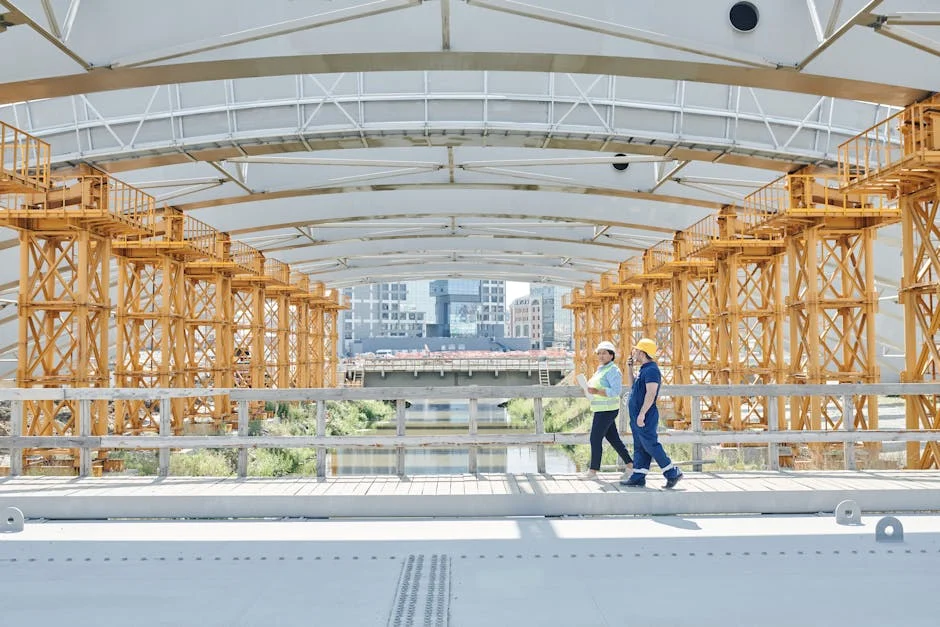
Excavation support is a crucial aspect of construction that ensures the safety and integrity of structures during the excavation phase. To provide deeper insights into this specialized field, we interviewed Dr. Anna Müller, a leading temporary works engineer based in Germany, with over 15 years of experience in civil engineering projects.
Q1: What are temporary works in the context of excavation support?
Dr. Anna Müller: Temporary works refer to structures that support other structures during construction or modification. In excavation support, these works prevent soil movement, protect adjacent properties, and ensure the safety of personnel. They include shoring, bracing, and other retaining systems designed to withstand earth pressure and environmental conditions.
Q2: What are the primary types of temporary supports used in excavation projects?
Dr. Anna Müller: The main types include:
- Shoring systems - Typically used to support vertical structures during excavation, these can be either hydraulic or mechanical.
- Bracing systems - Often employed when the excavation needs lateral support, like in deeper excavations.
- Sheet piling - Created from long, thin sheets of metal or plastic, these are driven into the ground to create a barrier against soil movement.
- Soil nailing - Involves inserting steel bars into the soil and grouting them, providing a sturdy support system.
- Concrete lagging - Used in conjunction with vertical supports, these panels fill in spaces between supports, offering additional lateral support.
Q3: What considerations should engineers keep in mind while designing temporary works?
Dr. Anna Müller: There are numerous factors to consider:
- Site conditions: Understand the soil characteristics, groundwater levels, and surrounding infrastructure.
- Load assessment: Accurately estimate the loads that temporary structures must support, including construction equipment, personnel, and material loads.
- Time frame: Determine the duration for which temporary works will be in place, which may influence design choices.
- Construction methods: Collaborate with construction teams to ensure compatibility with established practices and ensure that temporary works can be constructed efficiently.
- Regulatory compliance: Ensure that designs comply with local safety regulations and standards.
Q4: What challenges do engineers face in temporary works engineering?
Dr. Anna Müller: Some significant challenges include:
- Soil variability: Unexpected soil conditions can lead to design modifications and delays.
- Safety concerns: Balancing safety with efficiency is paramount, especially in constrained environments.
- Construction integration: Ensuring that temporary works facilitate rather than hinder other construction activities can be challenging.
- Environmental factors: Dealing with weather impacts during installation and the excavation period adds complexity to the planning process.

Q5: Can you share a case study where innovative temporary works engineering made a difference?
Dr. Anna Müller: Certainly! One notable project involved an underground metro station in Frankfurt. Due to soft soil conditions, traditional excavation methods would have resulted in significant slippage risks. We implemented a combination of soil nailing and anchored wall systems which not only provided the necessary support but also accelerated the excavation process. This innovative solution saved time and reduced costs substantially.
Q6: What role does technology play in modern temporary works engineering?
Dr. Anna Müller: Technology has revolutionized our approach. We now employ advanced modeling software for simulation and design verification. Tools like BIM (Building Information Modeling) allow for effective visualization and integration of temporary works into the overall project. Furthermore, monitoring techniques, such as real-time geotechnical sensors, help assess soil behavior while excavation is in progress, allowing for immediate action if needed.
Conclusion
Temporary works engineering is an essential aspect of excavation support, especially in the complex environments typical of Germany's urban landscape. By embracing innovative techniques and leveraging technology, engineers can enhance safety and efficiency, minimizing risks while maximizing construction outcomes. Understanding the nuanced needs of excavation projects and planning meticulously is critical for success in this field.