The Future of Construction: Insights from Industry Expert Jane Doe
In a rapidly evolving construction industry, sustainability, technology, and innovative techniques are reshaping how we approach projects. Join us as we interview Jane Doe, a leading expert in construction management, to explore these trends and their implications for the future.

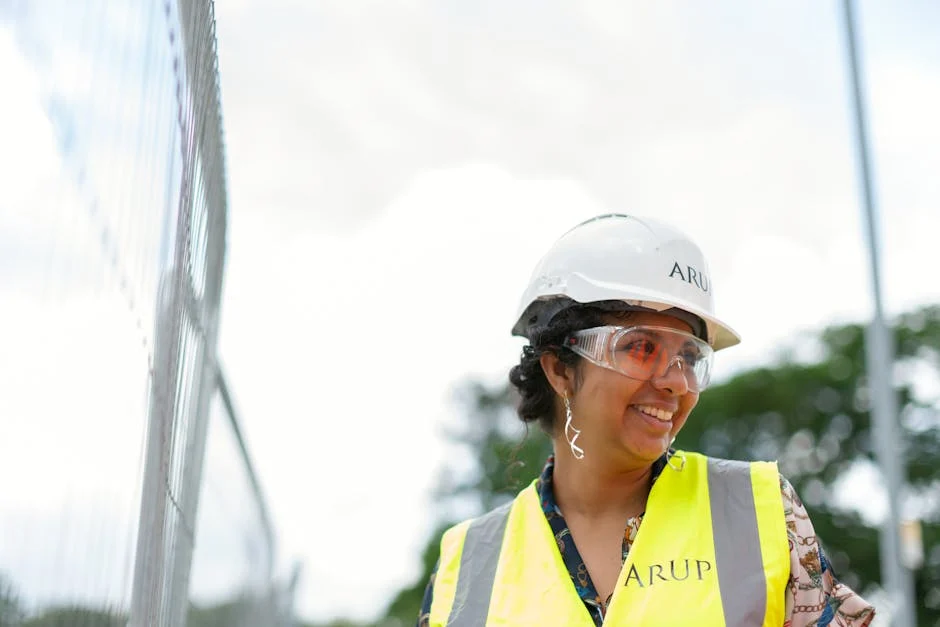
As the construction industry evolves, new approaches to design, management, and technology are reshaping how we build. Today, we have the privilege of speaking with Jane Doe, a renowned construction management expert, to gain insights into current trends and future directions in the construction sector.
Q: Jane, what are the most significant trends you're seeing in construction today?
A: One of the standout trends is the increased focus on sustainability. From using environmentally friendly materials to integrating renewable energy sources into buildings, sustainability is becoming a priority for both developers and consumers. We're also seeing the rise of modular and prefabricated construction methods, which can significantly reduce waste and construction time.
Q: How important is technology in shaping these trends?
A: Technology plays a critical role. For example, Building Information Modeling (BIM) helps architects and engineers visualize projects before breaking ground. Moreover, artificial intelligence (AI) is starting to aid in project management by predicting potential issues and optimizing workflows. This leads to improved efficiency and reduced costs.
Q: Can you elaborate on the role of sustainable practices in modern construction?
A: Absolutely. Sustainable practices are crucial for minimizing the environmental impact of construction activities. They include:
- Energy-efficient designs: Utilizing natural light and ventilation to reduce energy consumption.
- Green materials: Sourcing materials that are sustainable, recycled, or have a lower carbon footprint.
- Waste reduction: Implementing strategies for recycling and reusing materials during construction.
These practices not only benefit the environment but can also enhance a building’s marketability, as many clients are increasingly seeking green credentials.
Q: What challenges do construction companies face when trying to implement these sustainable practices?
A: The challenges are varied but can be significant. One major challenge is the upfront cost of sustainable materials and technologies. Many companies are hesitant to invest when they can't immediately quantify the return. Additionally, there is often a knowledge gap regarding green building practices among contractors and laborers, necessitating training and education investments.
Q: With so much change, how do you recommend companies stay ahead of the curve?
A: Continuous education and training are essential. Professionals must engage with the latest trends through conferences, courses, and industry publications. Networking with other professionals can also provide insights into best practices and emerging technologies.
Q: Looking ahead, what do you think the construction industry will look like in the next 10 years?
A: I foresee an industry that is deeply intertwined with technology. Innovations such as 3D printing, drones, and smart materials will revolutionize how we approach construction challenges. We must also expect stricter regulations around sustainability, pushing companies to innovate continuously.
Q: How is the market demand influencing these changes?
A: Market demand is a significant driver of change. Clients are becoming more educated about sustainability and efficiency, and they expect their projects to reflect this knowledge. This shift is pushing construction companies to adopt new practices and technologies to remain competitive.
Q: What advice would you give to new professionals entering the field?
A: I would advise them to remain adaptable and open to learning. The construction industry won't stop evolving, and those who embrace change will be the ones who thrive. Building a strong network and staying current with new technologies and practices are also vital.
Conclusion
The insights shared by Jane Doe highlight a transformative period in the construction industry where sustainability and technology are of utmost importance. As we move forward, embracing these changes and adapting will be essential for professionals aiming to lead in this evolving field.