Why Ground Improvement Techniques Matter Before the First Road Goes In
Land with a history as a wetland, floodplain, or naturally soft clay often needs genuine ground improvement before it can safely support roads or foundations, and civil earthworks
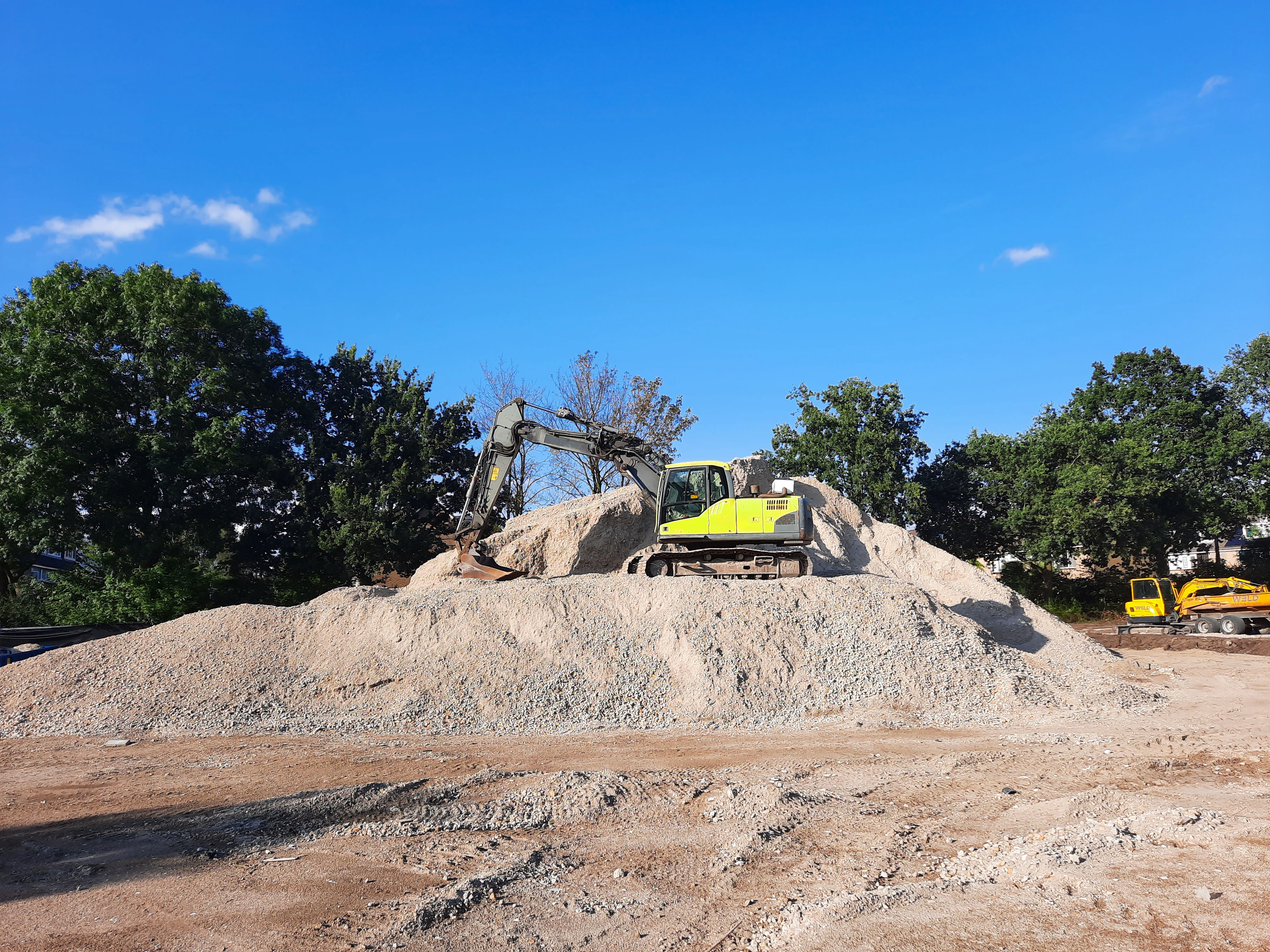
Not every site is ready to build on the moment a development gets approved. Land with a history as a wetland, floodplain, or naturally soft clay often needs genuine ground improvement before it can safely support roads or foundations, and civil earthworks companies working on these more challenging sites bring a very different skill set than a standard subdivision requires.
Why Some Ground Simply Isn't Ready
Soft, compressible soils, the kind found in old wetlands, floodplains, and low-lying clay deposits, share a common problem: low shear strength and high compressibility. Left untreated, this kind of ground can settle unevenly under the weight of roads, buildings, or embankments, sometimes for years after construction is finished, leading to cracked pavements, uneven surfaces, and structural problems that are considerably harder to fix once everything above ground is already built.
Recognising this early, through proper geotechnical investigation, is what separates a project that proceeds smoothly from one that runs into expensive surprises well after handover.
The Main Techniques Used to Improve Weak Ground
A handful of proven methods are used across Australia to strengthen soft ground before construction proceeds:
-
Deep soil mixing, where cement or lime binders are mechanically blended into the soil in place, creating a stronger, more stable mass without the need to excavate and replace the material entirely
-
Surcharging, where temporary fill is placed on a site ahead of construction to pre-compress soft soil, squeezing out excess water and increasing strength before the real load ever arrives
-
Vertical drains, often used alongside surcharging, which speed up how quickly soft, saturated soil can consolidate by giving trapped water a shorter path to escape
-
Dynamic compaction, involving a heavy weight repeatedly dropped onto the ground surface to densify looser, granular soils
-
Stone or sand columns, installed to reinforce weak ground and provide a more reliable path for structural loads to transfer down to firmer material
Each technique suits different soil conditions, and choosing the right one depends heavily on a proper geotechnical assessment.
A Real Example of Ground Improvement in Action
This isn't just theory. Engineering firms have successfully applied deep soil mixing to genuinely difficult Australian conditions, including a well-documented project crossing an environmentally sensitive wetland in the Hunter Valley, where soft silty clays extended to depths of up to 30 metres. A lattice pattern of interlocking columns, installed between 5 and 8 metres deep, improved the soil's shear strength from an original range of just 8 to 15 kilopascals up to 100 to 200 kilopascals, a genuinely dramatic improvement that made the site capable of safely supporting the infrastructure built on top of it.
Examples like this show that ground improvement isn't a niche or experimental approach; it's a proven, well-established discipline that can transform genuinely difficult ground into a safe, reliable foundation.
Why This Work Happens Before Anything Else
Ground improvement has to happen early, before roads, foundations, or drainage infrastructure go in, because it changes the fundamental properties of the ground everything else depends on. Building on top of inadequately prepared soft ground doesn't just risk a rougher ride, it risks genuine structural settlement, uneven drainage, and pavement failure that can take years to fully reveal itself.
Getting this sequencing right protects a project from a genuinely costly category of problem, retrofitting ground improvement beneath infrastructure that's already been built is far more disruptive and expensive than addressing weak soil properly from the outset.
Bringing This Expertise to Complex Sites
For civil infrastructure solutions in Australia to genuinely succeed on challenging sites, this kind of specialised ground engineering capability matters just as much as the visible civil works that follow. A contractor capable of properly assessing ground conditions, selecting the right improvement technique, and executing it well gives a project the foundation it actually needs, rather than simply proceeding as though every site behaves the same way.
This expertise becomes particularly valuable as growth corridors continue expanding into areas that weren't always considered prime development land, former agricultural land, low-lying sites, and areas with a genuine history of wetland or floodplain conditions.
Ground improvement might not be the most visible part of a development, buried beneath the roads and buildings people eventually see, but it's often the difference between a project that performs reliably for decades and one that quietly develops problems within a few years of completion. For sites with genuinely challenging ground conditions, investing properly in techniques like deep soil mixing or surcharging isn't an optional extra, it's exactly what makes everything built afterwards possible in the first place.
Lacie Anderson
A passionate blogger and writer who loves creating engaging, informative, and reader-friendly content. Focused on sharing ideas, exploring new topics, and making every pi...
View Profile & Articles