Unlocking Potential: The Role of Low-Code Development Platforms in Digital Transformation
Explore how low-code development platforms are transforming the digital landscape in engineering, architecture, and real estate, enabling practitioners to innovate quickly and efficiently.
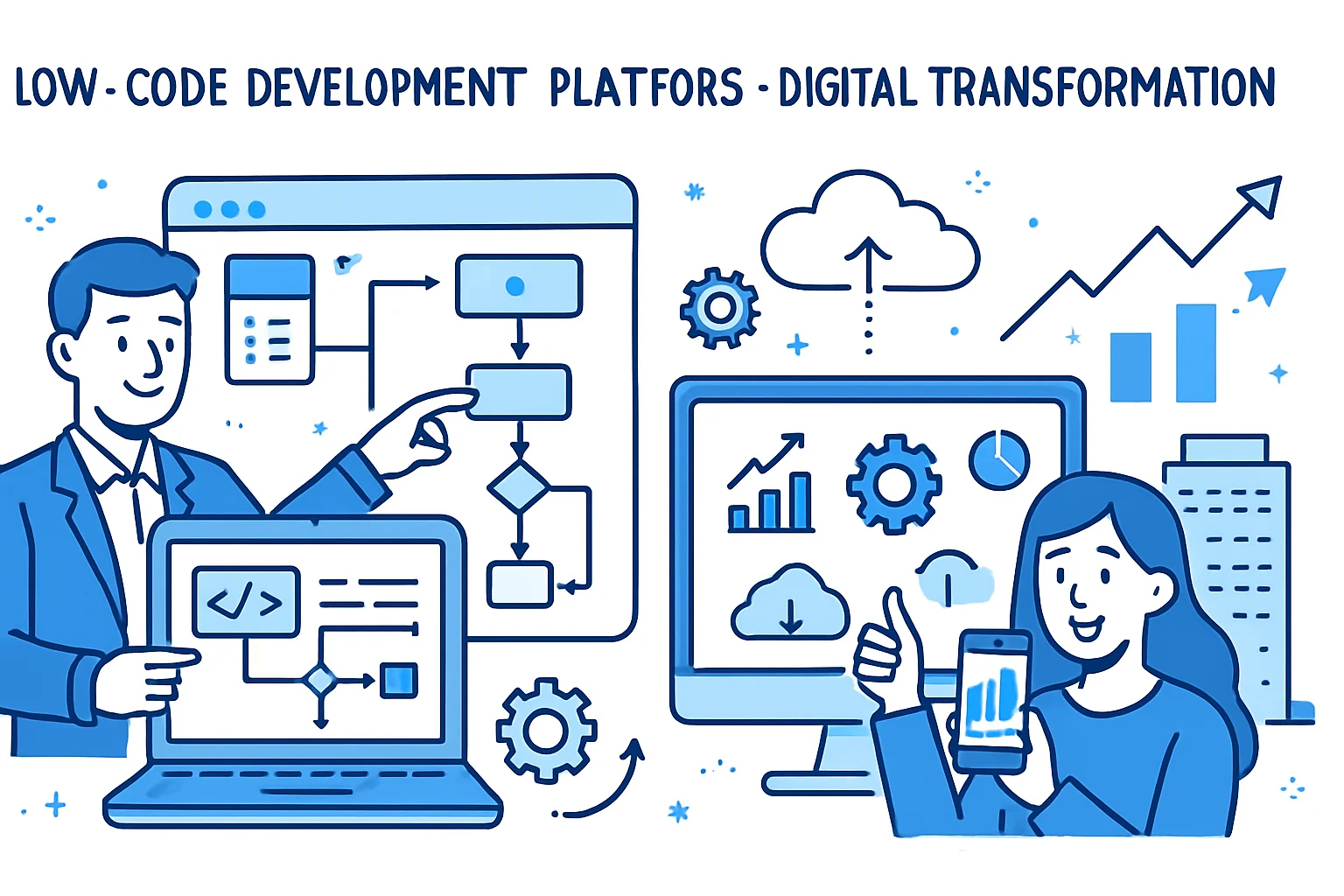
As professionals in the fields of engineering, architecture, and real estate increasingly embrace digital transformation, low-code development platforms have emerged as indispensable tools. These platforms allow users to create applications with minimal hand-coding, enabling businesses to respond swiftly to changing market demands and streamline operations.
This article explores the significance of low-code development platforms in facilitating digital transformation across multiple sectors, their key benefits, and how they can be effectively integrated into existing workflows.
Understanding Low-Code Development Platforms
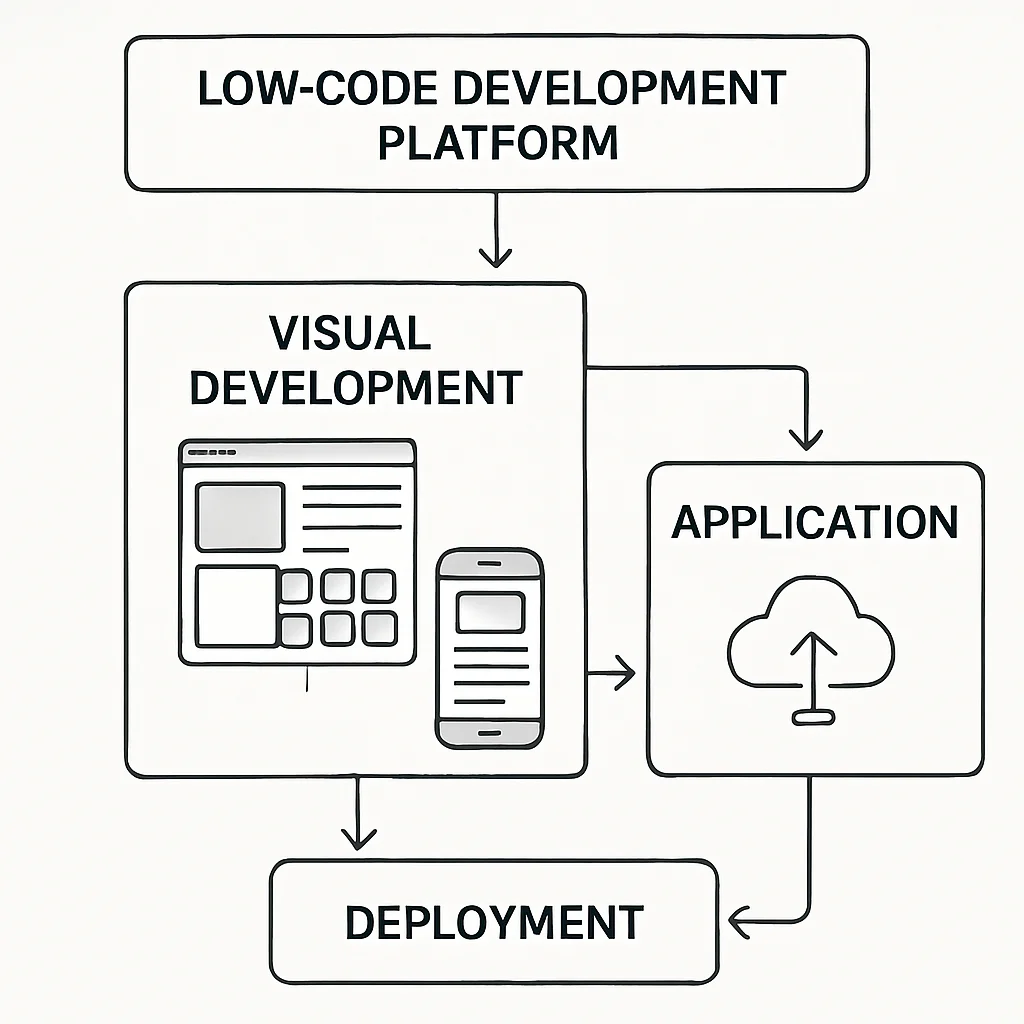
Low-code development platforms (LCDPs) provide a graphical user interface with drag-and-drop functionalities, allowing users to design applications without extensive coding knowledge. These platforms cater to a wide range of users, from professional developers to business analysts, democratizing the application development process.
With built-in templates, pre-built components, and integration capabilities, LCDPs reduce the complexity and time involved in software development. This accessibility is particularly beneficial in sectors like engineering and construction, where project timelines are often tight, and agility is crucial.
The Importance of Digital Transformation in Engineering and Real Estate
The engineering and real estate sectors have unique challenges that digital transformation can address:
- Enhanced Collaboration: Digital tools facilitate better teamwork and communication among diverse stakeholders, from architects to contractors.
- Data-Driven Decision Making: Access to real-time data analytics supports informed decision-making, reducing risks and improving outcomes.
- Increased Efficiency: Automating routine tasks allows teams to focus on strategic initiatives, ultimately enhancing productivity.
Benefits of Low-Code Development Platforms
Integrating low-code development platforms into engineering and real estate operations offers several key advantages:
1. Accelerated Development Cycles
LCDPs significantly shorten the time it takes to develop and deploy applications. With intuitive interfaces, project teams can build prototypes rapidly, gather feedback, and refine their solutions with agility.
2. Cost-Effectiveness
Building applications through traditional coding often requires a significant investment of time and resources. Low-code platforms reduce costs by minimizing the need for extensive coding expertise and streamlining the development process.
3. Empowering Non-Technical Users
By enabling business users to participate in the development process, LCDPs help bridge the gap between IT and business functions. This empowerment of non-technical users fosters innovation and reduces the backlog of requests for IT assistance.
4. Seamless Integration
Many low-code platforms come equipped with tools that simplify integration with existing systems, databases, and third-party applications. This interoperability is crucial for companies with legacy systems aiming to modernize their operations.
5. Enhancing Customer Experience
Improving customer engagement through personalized and timely applications is possible with low-code platforms. Companies can quickly develop client-facing solutions that meet user expectations and enhance satisfaction.
Case Studies: Successful Implementations
To illustrate the practical use of low-code development platforms in engineering and real estate, let’s examine a couple of case studies:
Case Study 1: Urban Planning Made Easy
A municipal engineering firm adopted a low-code platform to streamline their urban planning processes. By using the platform, they created a customized application that allows city planners to visualize zoning changes, analyze demographic data, and monitor project status in real-time. This transition reduced project approval times by 30% and improved collaboration between different departments.
Case Study 2: Real Estate Management Solutions
A real estate management company utilized a low-code platform to develop an application for tenant management. The app integrates with their existing property management system, enabling tenants to submit requests, make payments, and receive updates. The implementation resulted in a significant decrease in customer inquiries and enhanced tenant satisfaction rates.
Key Considerations for Choosing a Low-Code Development Platform
While the benefits of low-code platforms are compelling, selecting the right one requires careful consideration:
- User-Friendliness: Evaluate the platform's ease of use for both technical and non-technical users.
- Scalability: Ensure the platform can scale with your organization as needs evolve.
- Security: Look for platforms with robust security features to protect sensitive data.
- Integration Capabilities: Assess how well the platform integrates with your existing systems and workflows.
Conclusion: Embracing Change for Future Readiness
As the digital landscape continues to evolve, low-code development platforms stand out as a transformative force in engineering, architecture, and real estate. By enabling organizations to develop applications quickly and affordably, these platforms empower professionals to embrace innovation and enhance operational efficiencies.
By integrating low-code platforms into their workflows, engineers, architects, and real estate professionals can navigate the complexities of digital transformation more effectively, positioning themselves for future success in an increasingly competitive environment.