Harnessing Supercapacitors in Electric Vehicle Applications: A Deep Dive into Efficiency and Sustainability
This comprehensive article explores the role of supercapacitors in electric vehicle (EV) applications, discussing their advantages, technology integration, and future potential in enhancing the performance of EVs.
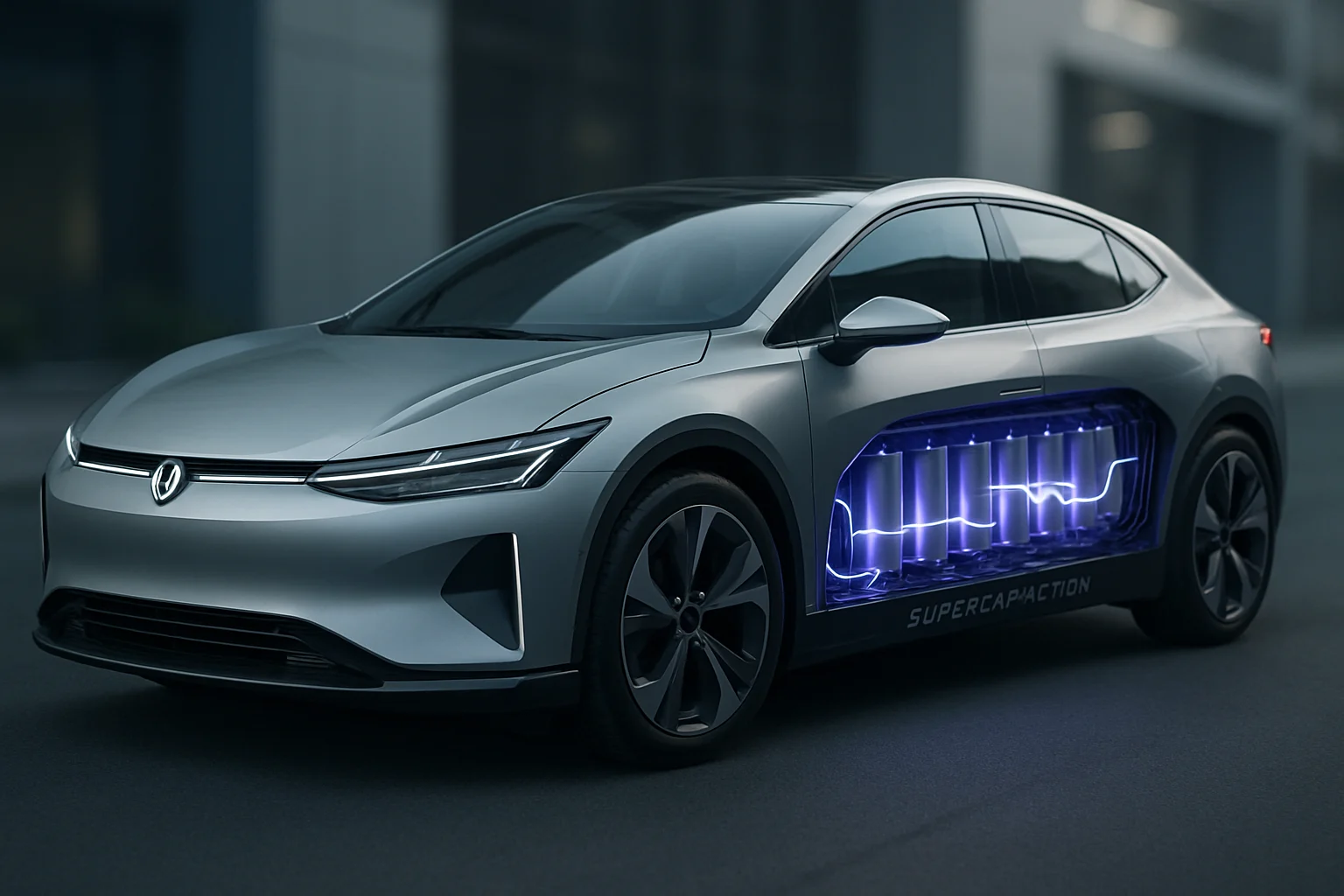
The automotive industry is undergoing a significant transformation with the rise of electric vehicles (EVs), driven by the need for sustainability and efficiency. One of the critical components making this transition possible is the advancement in energy storage technologies. Among these, supercapacitors stand out due to their unique properties and potential applications in enhancing EV performance. This article aims to provide practicing engineers, architects, builders, and real estate professionals with an in-depth understanding of supercapacitors in electric vehicle applications, examining their advantages, challenges, and future prospects.
The Basics of Supercapacitor Technology
Supercapacitors, also known as ultracapacitors, are energy storage devices that bridge the gap between traditional capacitors and batteries. Unlike conventional batteries, which store electrical energy chemically, supercapacitors store energy electrostatically. This fundamental difference gives supercapacitors several advantages:
- Rapid Charging and Discharging: Supercapacitors can charge and discharge much faster than batteries, making them ideal for applications requiring quick bursts of energy.
- High Cycle Life: With the lifespan measured in hundreds of thousands of cycles, supercapacitors outlast traditional battery technologies, reducing waste and improving sustainability.
- Temperature Stability: Supercapacitors perform well under a wide range of temperatures, making them suitable for various climatic conditions.
- Environmental Impact: Many supercapacitors are made from environmentally friendly materials, and their long life means less frequent replacement.
Advantages of Supercapacitors in Electric Vehicles
As the push for more sustainable and efficient electric vehicles intensifies, the integration of supercapacitors into EV systems offers numerous advantages:
1. Enhanced Energy Management
Supercapacitors can complement battery systems by managing energy during regenerative braking. When a vehicle brakes, energy is usually wasted as heat; supercapacitors capture this energy and store it for later use, enhancing the overall efficiency of the vehicle.
2. Improved Performance
The rapid discharge capabilities of supercapacitors can support high power needs during acceleration. This enables electric vehicles to respond more quickly without straining the battery.
3. Efficient Energy Recovery
With supercapacitors installed, electric vehicles can recover a significant portion of the energy lost during braking, which can be used to power accessories or provide additional torque during acceleration.
4. Lower Weight and Size
Supercapacitors are typically lighter and more compact than batteries, allowing for design flexibility and potentially reducing the overall weight of the vehicle, which can further enhance range and efficiency.

Challenges and Limitations
While the advantages of supercapacitors in electric vehicles are significant, some challenges need to be addressed:
- Energy Density: Supercapacitors possess lower energy density compared to batteries, meaning they store less energy per unit weight. This limits their use as a standalone power source.
- Cost: Currently, the production costs of supercapacitors can be higher than traditional battery technologies, which may deter widespread adoption in cost-sensitive markets.
- Integration Complexity: Incorporating supercapacitors into existing EV designs requires careful consideration of the energy management system and overall vehicle architecture.
Current Applications and Case Studies
Several electric vehicle manufacturers and researchers are exploring the integration of supercapacitors in their vehicles. Some notable examples include:
1. Bosch
Bosch has been working on integrating supercapacitors with lithium-ion batteries to create hybrid energy storage systems. Their research indicates that this combination can enhance vehicle performance and extend battery life.
2. Tesla
Recent prototypes from Tesla have experimented with supercapacitors for specific applications, such as optimizing energy recovery during braking.
3. University Research
Various academic institutions are researching new materials and designs for supercapacitors that could improve their energy density and reduce costs, potentially making them more viable in mainstream electric vehicles.
Future Trends and Innovations
As the demand for electric vehicles increases, the evolution of supercapacitor technology is expected to continue. Key future trends include:
- Advanced Materials: Research into new nanomaterials and composites may enhance the performance characteristics of supercapacitors, increasing their energy density.
- Hybrid Energy Systems: Future electric vehicles may increasingly utilize a combination of supercapacitors and batteries to optimize performance, efficiency, and sustainability.
- Sustainability Initiatives: Initiatives aimed at recycling and reusing materials in supercapacitor production are likely to grow, aligning with the automotive industry's push for more sustainable practices.
Conclusion
Supercapacitors represent a transformative technology in the electric vehicle sector, promising enhanced performance, sustainability, and energy management solutions. Their ability to quickly charge and discharge, coupled with a long lifecycle, positions them as a vital component in the drive toward more efficient and environmentally friendly electric vehicles. While challenges remain, ongoing research and innovative applications suggest a bright future for supercapacitors in revolutionizing how we think about energy storage and management in the automotive landscape.