Insights on Microgrid Protection and Islanding Transitions: A Q&A with Dr. Emily Carter
Explore the complexities of microgrid protection and islanding transitions in this in-depth Q&A with electrical engineering expert Dr. Emily Carter.
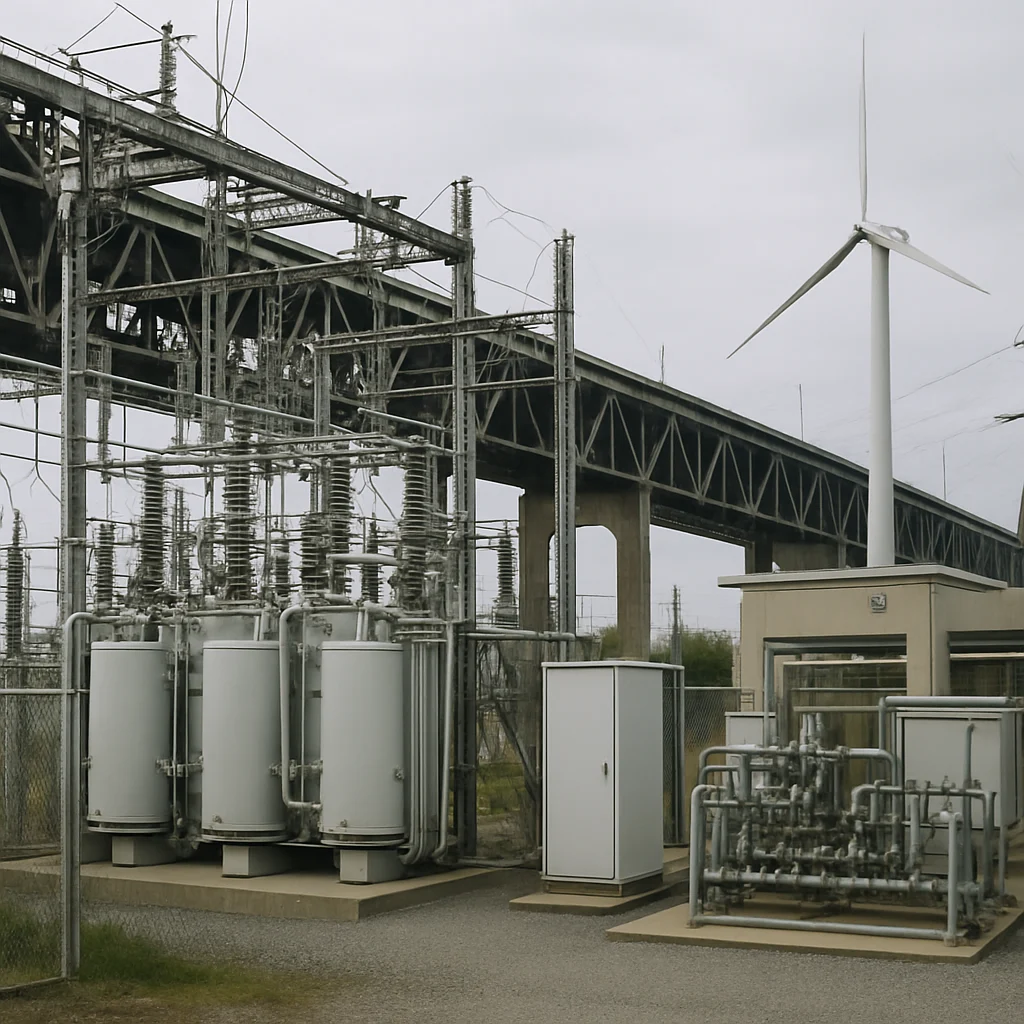
Microgrids are revolutionizing the landscape of electrical engineering, especially with their potential for enhancing energy resilience and sustainability. In this article, we engage in a detailed conversation with Dr. Emily Carter, an expert in electrical engineering with over 15 years of experience in microgrid technology. We will explore the intricacies of microgrid protection systems and islanding transitions, crucial for maintaining stability and reliability in distributed energy resources.
Understanding Microgrids
Question: Dr. Carter, could you start by explaining what a microgrid is and why it is significant in today’s energy landscape?
Dr. Carter: Certainly! A microgrid is a localized network of electricity sources and loads that can operate independently from the traditional grid. This independence is crucial, especially during grid outages or emergencies. Microgrids enhance energy resilience, enable the use of renewable energy sources, and contribute to reducing greenhouse gas emissions. They are particularly significant in urban centers and remote communities, where energy reliability is vital.
The Importance of Protection Systems
Question: What role does protection play in microgrid systems?
Dr. Carter: Protection systems are essential to prevent equipment damage and ensure the safety of personnel. In a microgrid, these systems must quickly detect faults or abnormal conditions and isolate the affected areas without disrupting the entire network. We use advanced relaying technologies and communication systems to monitor and control microgrid operations efficiently. Proper protection ensures that microgrids can function effectively both in grid-connected and islanded modes.
Islanding Transitions Explained
Question: Islanding transitions seem to be a critical aspect of microgrid operation. Can you explain what this entails?
Dr. Carter: Islanding transitions refer to the process of a microgrid disconnecting from the larger grid and operating independently. This transition is critical during disturbances, such as blackouts or major faults. The challenge lies in detecting the grid failure, executing a smooth disconnection, and ensuring that the microgrid can maintain stable operation with its own resources. We often use intentional islanding strategies to enhance reliability during peak loads or to optimize energy use from renewable sources.
Technological Advances in Microgrid Protection
Question: What recent advancements are improving microgrid protection and islanding transitions?
Dr. Carter: Several advancements are noteworthy. First, we have seen significant improvements in digital relays that provide faster and more accurate fault detection. Second, advanced software algorithms for predictive analysis help in anticipating faults before they occur. Additionally, the integration of IoT devices allows real-time monitoring and control, facilitating seamless transitions between grid-connected and islanded operations. These technologies enhance the overall reliability and efficiency of microgrids.
Challenges in Implementation
Question: What challenges do engineers face when designing microgrid protection systems?
Dr. Carter: There are several challenges, including:
- Heterogeneity of Resources: Microgrids often incorporate various types of generation sources, such as solar, wind, and diesel generators, which can complicate protection protocols.
- Dynamic Operation: The nature of microgrids can change rapidly, requiring protection systems that can adapt to varying loads and generation capacities.
- Cybersecurity Risks: As microgrids integrate more communication technologies, they become vulnerable to cyber threats, necessitating robust security measures.
Future of Microgrid Protection
Question: What does the future hold for microgrid protection and islanding transitions in the USA?
Dr. Carter: The future looks promising. As more states focus on clean energy initiatives, we will likely see an increase in the deployment of microgrids. This will push for stronger regulations and standards on protection systems. Furthermore, advancements in artificial intelligence and machine learning will dramatically improve predictive maintenance and operational efficiency. The drive toward smart cities and decentralized energy systems will continue to shape the evolution of microgrid technologies.
Conclusion
In conclusion, microgrid protection and islanding transitions are complex yet critical aspects that engineers must navigate when designing modern energy systems. The insights provided by Dr. Emily Carter highlight the importance of innovation and adaptability in keeping our energy infrastructure resilient and efficient. As we move towards a sustainable energy future, understanding these technologies will become increasingly vital for engineers, architects, builders, and real estate professionals.