Engineering Ethics in the AI Age: Defining Responsibility in Design
Understanding Engineering Ethics in the Context of AI As we advance through the AI age, the field of engineering faces new ethical challenges that demand our attention. Engineering ethics, traditi
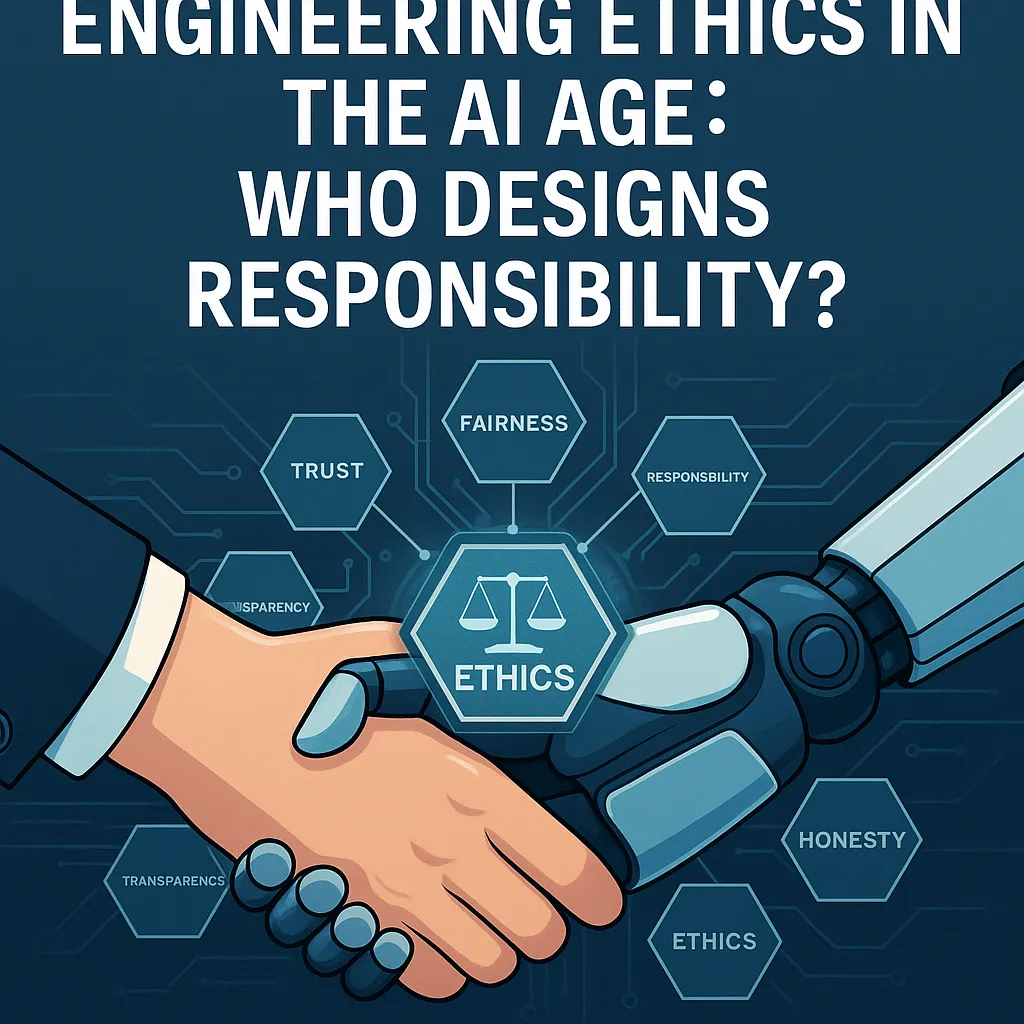
Understanding Engineering Ethics in the Context of AI
As we advance through the AI age, the field of engineering faces new ethical challenges that demand our attention. Engineering ethics, traditionally concerned with ensuring safety, reliability, and public welfare, must now incorporate considerations unique to AI technologies. These include automated decision-making, data privacy, and algorithmic bias, which can have profound implications on society.
The integration of AI into engineering practices commands a reevaluation of our ethical frameworks. With AI systems playing a critical role in areas such as healthcare, finance, and transportation, ethical lapses can lead to significant societal harm. As engineers, we must ensure that our designs not only meet technical specifications but also adhere to ethical norms that safeguard public interest.
Moreover, the rapid pace of AI development necessitates a proactive approach to ethics. We cannot afford to wait for negative consequences to arise before addressing potential ethical pitfalls. By embedding ethical considerations into the design process from the outset, we can better predict and mitigate risks, ensuring that AI technologies are developed responsibly.
The Importance of Ethical Responsibility in Design
Ethical responsibility in design is not just a theoretical ideal—it is a practical necessity. When engineers overlook ethical considerations, the consequences can be dire, leading to loss of trust, financial damage, and even harm to human life. As AI systems become more autonomous, the margin for error diminishes, making ethical responsibility even more critical.
One significant aspect of ethical responsibility is transparency. AI systems often operate as "black boxes," with their decision-making processes obscured from users. This opacity can lead to mistrust and misuse. By prioritizing transparency in design, we can demystify AI systems, allowing stakeholders to understand, evaluate, and trust their outputs.
Another vital component is accountability. Engineers must be willing to take responsibility for the systems they create. This means not only ensuring that AI systems function correctly but also considering their broader social and ethical impacts. By embracing accountability, we can foster a culture of ethical integrity within the engineering community.
Key Ethical Principles for Engineers in the AI Age
In navigating the ethical landscape of AI, several key principles can guide engineers. These principles serve as a foundation for ethical decision-making and help ensure that AI technologies align with societal values.
-
Beneficence: Engineers should design AI systems that promote the well-being of individuals and society as a whole. This involves prioritizing safety and minimizing harm in all design decisions.
-
Justice: Fairness must be a cornerstone of AI system design. Engineers should strive to eliminate biases in algorithms and ensure that AI technologies are accessible and beneficial to all segments of society.
-
Autonomy: Respecting the autonomy of users is crucial. Engineers should design AI systems that empower users, providing them with control over their interactions and data.
By adhering to these principles, engineers can navigate the complex ethical terrain of AI with confidence. These guidelines do not provide all the answers, but they offer a framework for thoughtful and responsible design.
Case Studies: Ethical Dilemmas in AI Engineering
Examining real-world case studies can illuminate the ethical dilemmas engineers face in the AI age. These examples highlight the challenges and underscore the importance of ethical foresight.
One notable case involves facial recognition technology. While it offers potential benefits in security and convenience, it also raises significant privacy concerns. Instances of misuse, such as unauthorized surveillance and racial profiling, demonstrate the ethical pitfalls that can arise when ethical considerations are not prioritized in design.
Another case study is the use of AI in recruitment. Algorithms can streamline hiring processes but can also perpetuate existing biases if not carefully managed. Engineers must ensure that these systems are designed to evaluate candidates fairly, without discriminating based on irrelevant factors such as race or gender.
These case studies underscore the need for vigilance and ethical accountability in AI engineering. By learning from these examples, we can better anticipate and address similar challenges in our future work.
The Role of Regulatory Bodies in AI Ethics
Regulatory bodies play a crucial role in shaping the ethical landscape of AI technologies. These organizations establish guidelines and standards that help ensure AI systems are developed and deployed responsibly.
One of the primary functions of regulatory bodies is to set ethical standards for AI development. By providing clear guidelines, they help engineers design systems that align with societal values and legal requirements. These standards can cover a range of issues, from data privacy and security to algorithmic fairness.
Regulatory bodies also play a critical role in enforcement. They have the authority to hold companies accountable for ethical lapses, ensuring that violations are addressed promptly and effectively. This enforcement capability is essential for maintaining public trust in AI technologies.
In addition to setting standards and enforcing compliance, regulatory bodies facilitate collaboration between stakeholders. By bringing together engineers, policymakers, and the public, they help ensure that diverse perspectives are considered in the development of AI ethics.
Best Practices for Ethical AI Design
Adopting best practices in ethical AI design is essential for engineers seeking to develop responsible technologies. These practices provide a roadmap for integrating ethical considerations into every stage of the design process.
-
Inclusive Design: Involve diverse stakeholders in the design process to ensure that AI systems meet the needs of all users. This includes considering the perspectives of marginalized groups who may be disproportionately affected by AI technologies.
-
Continuous Monitoring: Implement systems for ongoing evaluation of AI technologies to identify and address ethical issues as they arise. This proactive approach helps ensure that AI systems remain aligned with ethical standards throughout their lifecycle.
-
Transparency and Explainability: Design AI systems that are transparent and easily understood by users. Providing clear explanations of how systems work can build trust and facilitate ethical use.
By incorporating these best practices, engineers can create AI systems that not only meet technical requirements but also uphold the highest ethical standards.
The Impact of AI on Traditional Engineering Ethics
The advent of AI technologies has transformed traditional engineering ethics, introducing new challenges and considerations. While traditional ethics focused on issues such as safety and reliability, AI demands attention to complexities like data bias and algorithmic accountability.
One significant impact of AI is the shift from reactive to proactive ethics. In the past, engineers often addressed ethical issues as they arose. However, with AI, this approach is insufficient due to the potential for widespread harm. Engineers must now anticipate ethical dilemmas and incorporate safeguards into the design process from the outset.
AI also introduces the concept of ethical automation. As systems become more autonomous, engineers must consider how ethical principles can be embedded into algorithms. This requires a nuanced understanding of both technology and ethics, making interdisciplinary collaboration essential.
As AI continues to reshape the ethical landscape, engineers must remain adaptable and committed to lifelong learning. By keeping abreast of new developments and engaging with emerging ethical issues, we can ensure that our work remains both innovative and responsible.
Tools and Frameworks for Ethical Decision-Making in AI
A variety of tools and frameworks are available to assist engineers in making ethical decisions in the context of AI. These resources provide structured approaches to evaluating and addressing ethical issues.
-
Ethical Impact Assessments: These assessments help engineers identify potential ethical risks and benefits associated with AI technologies. By systematically evaluating the impact of their designs, engineers can make informed decisions that align with ethical standards.
-
Ethical Design Frameworks: Frameworks such as the IEEE Global Initiative on Ethics of Autonomous and Intelligent Systems offer guidelines for ethical AI design. These frameworks provide practical tools and resources for engineers seeking to integrate ethics into their work.
-
Collaborative Platforms: Online platforms and communities facilitate collaboration between engineers, ethicists, and stakeholders. By sharing knowledge and insights, these platforms help engineers navigate complex ethical challenges.
By leveraging these tools and frameworks, engineers can enhance their ethical decision-making capabilities and ensure that their AI technologies are developed responsibly.
Future Trends: Evolving Ethical Considerations in AI Engineering
Looking to the future, several trends are likely to shape the ethical landscape of AI engineering. These trends highlight the need for ongoing engagement with ethical issues and a commitment to responsible innovation.
One emerging trend is the increasing emphasis on ethical AI governance. As AI systems become more integrated into society, there is a growing demand for robust governance frameworks that ensure ethical accountability. This includes the development of new regulatory measures and industry standards.
Another trend is the rise of ethical AI education. As the importance of ethics in AI becomes more widely recognized, educational institutions are incorporating ethics into engineering curricula. This trend reflects the need for engineers to be equipped with the knowledge and skills necessary to address ethical challenges in their work.
Finally, there is a growing focus on global collaboration in AI ethics. As AI technologies impact societies worldwide, international cooperation is essential for addressing cross-border ethical issues. This includes collaboration between governments, industry leaders, and academic institutions.
By staying attuned to these trends, engineers can remain at the forefront of ethical AI development and contribute to a future where technology serves the greater good.
Conclusion: Embracing Ethical Responsibility in the AI Era
As we conclude our exploration of engineering ethics in the AI age, it is clear that ethical responsibility is not just an optional consideration—it is a fundamental aspect of our work. By embracing ethical principles and best practices, we can ensure that our AI technologies are designed and deployed in ways that respect human dignity and promote societal well-being.
The challenges we face in this endeavor are significant, but so are the opportunities. By prioritizing ethics in our work, we can build AI systems that are not only technologically advanced but also socially responsible. This requires a commitment to lifelong learning, interdisciplinary collaboration, and a willingness to engage with complex ethical issues.
I invite you to join me in this journey toward ethical AI engineering. Let us work together to create technologies that are not only innovative but also ethical, ensuring a brighter future for all.
For more insights into ethical AI design and to stay updated on the latest trends, consider subscribing to our newsletter. Together, we can foster a community of responsible engineers dedicated to advancing technology for the greater good.