Exploring Engineering Technologies for Heritage Retrofits to Achieve Net-Zero Targets
This article analyzes various engineering technologies designed for retrofitting heritage buildings to meet net-zero energy targets, comparing their efficacy and practical applications.
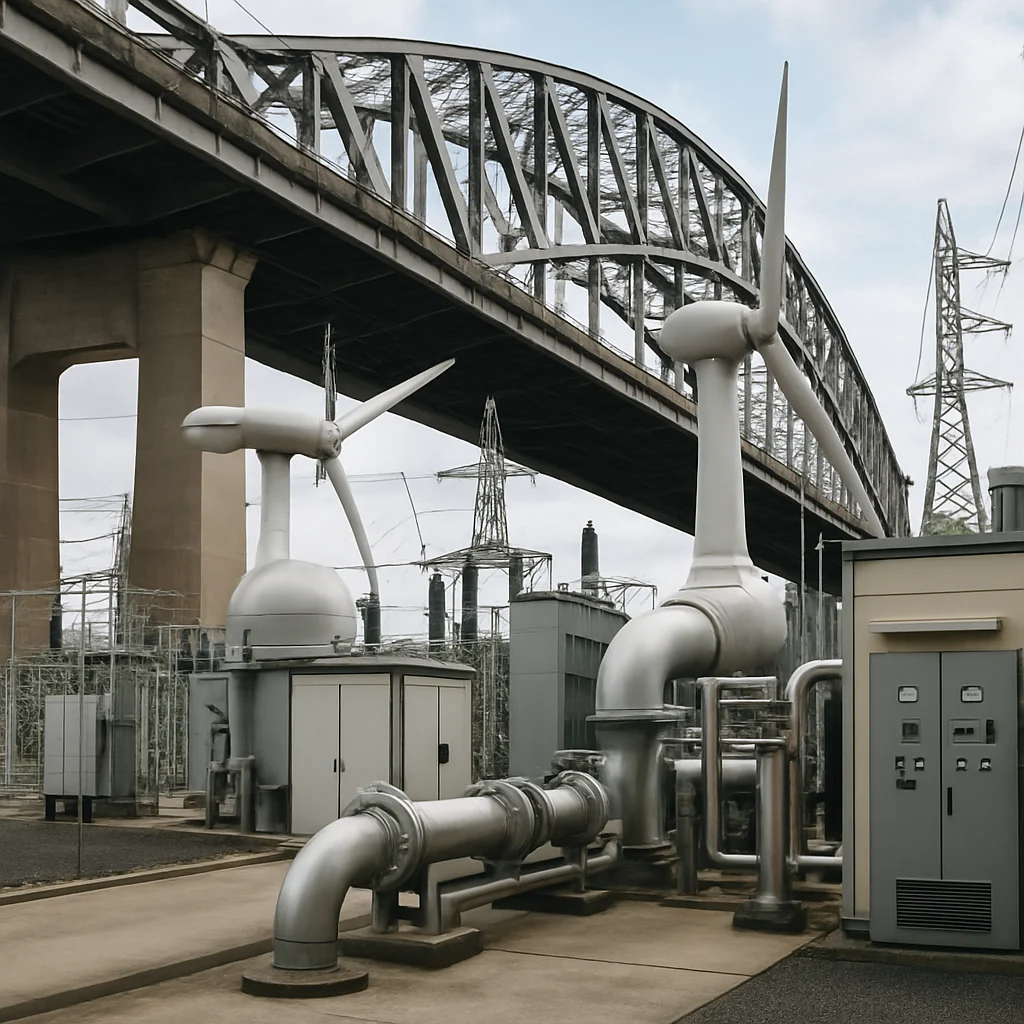
As the global focus shifts toward sustainability and energy efficiency, retrofitting heritage buildings to meet net-zero energy targets has emerged as a critical area of development in engineering and architecture. These projects face unique challenges due to the need to preserve historical integrity while integrating modern technologies that reduce energy consumption and enhance sustainability.
This article will compare several engineering tools and workflows that professionals in the fields of engineering, architecture, and real estate can utilize for effective heritage retrofits. By examining their capabilities, limitations, and practical applications, we aim to provide insights that assist stakeholders in making informed decisions.
Understanding the Need for Heritage Retrofits
Heritage buildings often lag in energy efficiency due to outdated construction methods and materials. However, they hold significant cultural and historical value. Achieving net-zero targets involves balancing modern energy efficiency practices with the preservation of architectural heritage. Strategies might include improving insulation, upgrading heating systems, and utilizing renewable energy sources.
Comparison of Tools and Workflows
In this section, we will introduce and compare five prominent tools and workflows currently utilized for retrofitting heritage buildings to achieve net-zero energy targets:
| Tool/Workflow | Focus Area | Key Features | Advantages | Limitations |
|---|---|---|---|---|
| EnergyPlus | Energy Simulation | Detailed modeling of energy consumption in buildings | Highly customizable and precise simulations | Steep learning curve; requires substantial data input |
| Revit + Insight | Building Information Modeling (BIM) | Integrated lifecycle analysis and energy modeling | Enhances collaboration; easy integration with other tools | Costly subscription; may be overwhelming for small projects |
| ECOTECT Analysis | Sustainability Assessment | Thermal and daylighting analysis | Good visualization; user-friendly interface | Less detailed than other energy modeling tools |
| Phoenix Energy Group | Energy Auditing | Field assessment tools for energy efficiency | Real-time data collection; detailed reports | Requires trained personnel; may not address all heritage issues |
| OpenStudio | Energy Performance Simulation | Plugin for conducting detailed energy modeling | Open-source; strong community support | Limited features compared to commercial alternatives |
Tool/Workflow Profiles
1. EnergyPlus
EnergyPlus is a powerful building energy simulation program that allows users to model energy consumption at a granular level. Its ability to represent complex building systems makes it particularly useful for heritage retrofits where precise analysis is necessary. However, the steep learning curve and requirement for substantial input data may pose challenges for some users.
2. Revit + Insight
Autodesk's Revit integrated with Insight provides a comprehensive BIM solution that supports energy analysis throughout the building lifecycle. Revit is particularly beneficial for collaboration among architects, engineers, and builders, although its subscription costs and complexity can be a barrier for smaller projects.
3. ECOTECT Analysis
ECOTECT offers a user-friendly interface for thermal and daylighting analysis. Its visualization capabilities make it easier to communicate sustainability concepts to stakeholders. While it may not provide the in-depth modeling of other tools, it remains a viable option for quick assessments.
4. Phoenix Energy Group
This organization provides field assessment tools that prioritize real-time data collection for energy efficiency evaluations. While valuable, the requirement for trained personnel and potential oversights in addressing unique heritage issues may limit its applicability in some contexts.
5. OpenStudio
As an open-source platform that integrates with EnergyPlus, OpenStudio offers strong community support and the ability to conduct detailed energy modeling. It presents a cost-effective solution but could be less feature-rich compared to proprietary alternatives.
Conclusion
Heritage retrofits are essential in the transition toward net-zero energy targets. The choice of tools and workflows can significantly affect the outcome of these projects. Each option presented has its strengths and drawbacks, making them suitable for different project scales and professional requirements. By understanding the capabilities of EnergyPlus, Revit + Insight, ECOTECT Analysis, Phoenix Energy Group, and OpenStudio, professionals can make informed decisions that align with both sustainability goals and the preservation of heritage values.
As the field of engineering technology continues to evolve, staying informed about these tools prepares architects, engineers, and builders to advance their efforts toward sustainable development effectively.