Leveraging Edge AI for Predictive Quality in Engineering Technology
Explore how Edge AI is transforming predictive quality systems in engineering technology, enhancing efficiency and reducing costs in construction and real estate.
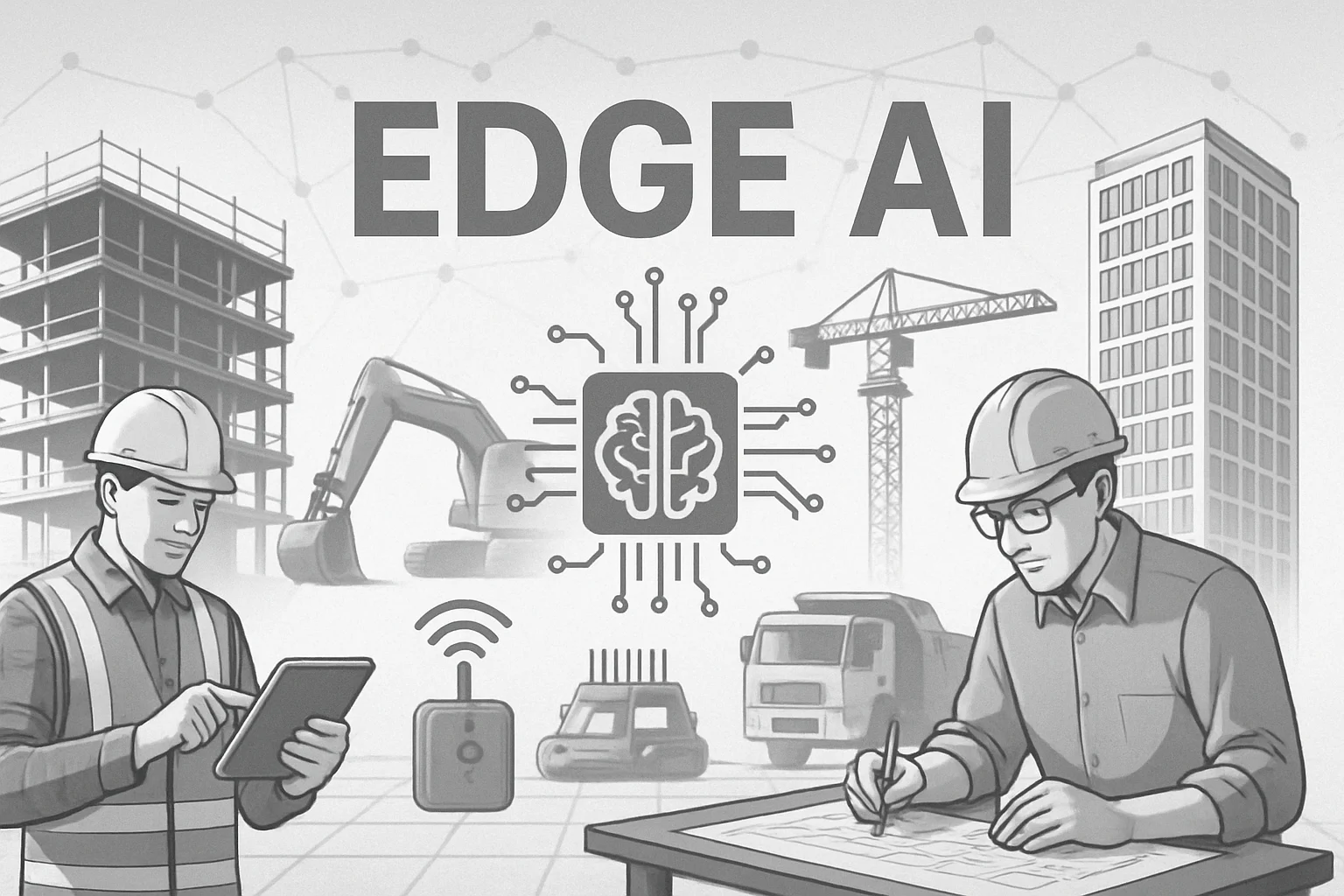
The construction and engineering sectors are on the brink of a technological revolution with the integration of Edge AI into predictive quality systems. As the demand for efficiency and precision rises, professionals in these industries are increasingly looking at how artificial intelligence can enhance their operations. Edge AI, in particular, is setting new standards in predictive quality by allowing for real-time data processing closer to the data source. This article explores the functionality, benefits, and applications of Edge AI in engineering technology.
Understanding Edge AI
Edge AI refers to the deployment of artificial intelligence algorithms locally on hardware devices instead of relying solely on cloud-based processing. This technology allows for data to be analyzed at the edge of the network, where it is generated, rather than sending it to a central server. The key advantages of Edge AI include:
- Reduced Latency: Quick access to data enables faster decision-making.
- Enhanced Security: Data remains within local networks, lowering the risk of breaches.
- Bandwidth Efficiency: Less data transfer leads to reduced bandwidth usage and cost.
- Real-Time Insights: Immediate analysis supports proactive decision-making.
These features make Edge AI particularly beneficial in contexts requiring real-time responses, such as construction and architecture.
Predictive Quality in Engineering
Predictive quality refers to the use of data analytics to forecast potential quality issues before they occur. In the realm of engineering and construction, this involves continuously monitoring various parameters to ensure that materials and processes meet specified standards. The traditional methods of quality control often rely on periodic inspections, which can be inefficient and costly.
Through the integration of predictive quality systems, companies can:
- Identify defects early in the production or construction process.
- Optimize resource allocation by predicting when and where issues may arise.
- Improve overall project timelines and budgets by minimizing rework and delays.
- Enhance client satisfaction through higher quality outcomes.
The Role of Edge AI in Predictive Quality
Integrating Edge AI into predictive quality systems significantly enhances the capabilities of engineers and architects. Here's how:
1. Real-Time Monitoring
Edge AI facilitates the real-time monitoring of construction sites and engineering processes. For instance, sensors can collect data on temperature, humidity, and other environmental factors affecting material quality. The Edge AI algorithms analyze this data on-site, allowing immediate adjustments to prevent quality degradation.
2. Advanced Data Analysis
These AI systems can apply machine learning models to historical data to predict future outcomes. By correlating environmental data with past project parameters, construction managers can forecast quality risks and take steps to mitigate them.
3. Resource Optimization
Edge AI helps optimize the use of resources by predicting when materials need to be replaced or when machinery requires maintenance. This capability can drastically reduce downtime and minimize waste on construction projects.

Use Cases of Edge AI in Predictive Quality
Various sectors within engineering and construction have started adopting Edge AI for predictive quality. Here are some notable examples:
1. Structural Health Monitoring
Edge AI enables continuous monitoring of structures, such as bridges and buildings, using sensor data. For example, sensors can detect vibrations and deformations that may indicate quality issues. By analyzing this data on-site, engineering teams can address potential problems before they escalate.
2. Quality Control in Manufacturing
In off-site construction and precast concrete production, Edge AI can help monitor quality during manufacturing. AI can analyze data from equipment and materials in real-time, ensuring that production adheres to quality standards throughout the entire process.
3. Smart Construction Sites
By integrating Edge AI with IoT devices, construction sites can become smarter, allowing for comprehensive monitoring and management. For example, cameras equipped with AI can assess worker safety and compliance in real-time, further ensuring quality in operational standards.
Challenges to Implementing Edge AI
Despite its numerous advantages, integrating Edge AI into predictive quality systems does come with challenges. Practicing engineers and architects should be aware of the following:
- Initial Costs: The setup of IoT devices and the development of Edge AI systems may require significant investment.
- Data Management: Ensuring data integrity and managing large volumes of real-time data can be complex.
- Skill Gap: There may be a lack of skilled personnel who are familiar with Edge AI technologies.
The Future of Edge AI in Engineering
As the field of engineering technology continues to evolve, the application of Edge AI is expected to grow. Trends suggest that:
- Integration with blockchain technologies for enhanced transparency.
- Development of more intuitive AI algorithms capable of self-training based on real-time data.
- Increased collaboration between technology providers and engineering firms.
The advent of these technologies promises to redefine the engineering landscape, driving increased efficiency and quality in construction and design.
Conclusion
Edge AI represents a transformative force in the field of engineering technology, particularly regarding predictive quality systems. By leveraging real-time data analytics at the site level, professionals can enhance decision-making processes, optimize resource usage, and ultimately deliver better quality outcomes. As the industry moves toward more advanced applications, addressing the associated challenges will be crucial for the successful integration of these technologies. Continuous investment in skills and technology will be vital in harnessing the full potential of Edge AI, paving the way for a future where quality assurance becomes inherently proactive rather than reactive. The journey toward smarter construction and engineering is just beginning, and Edge AI stands at the forefront of this evolution.