Common Technical Problems in Agricultural Machinery and How to Prevent Them
Agricultural machinery plays an essential role in modern farming, helping farmers complete planting, harvesting, irrigation, and soil preparation more efficiently.
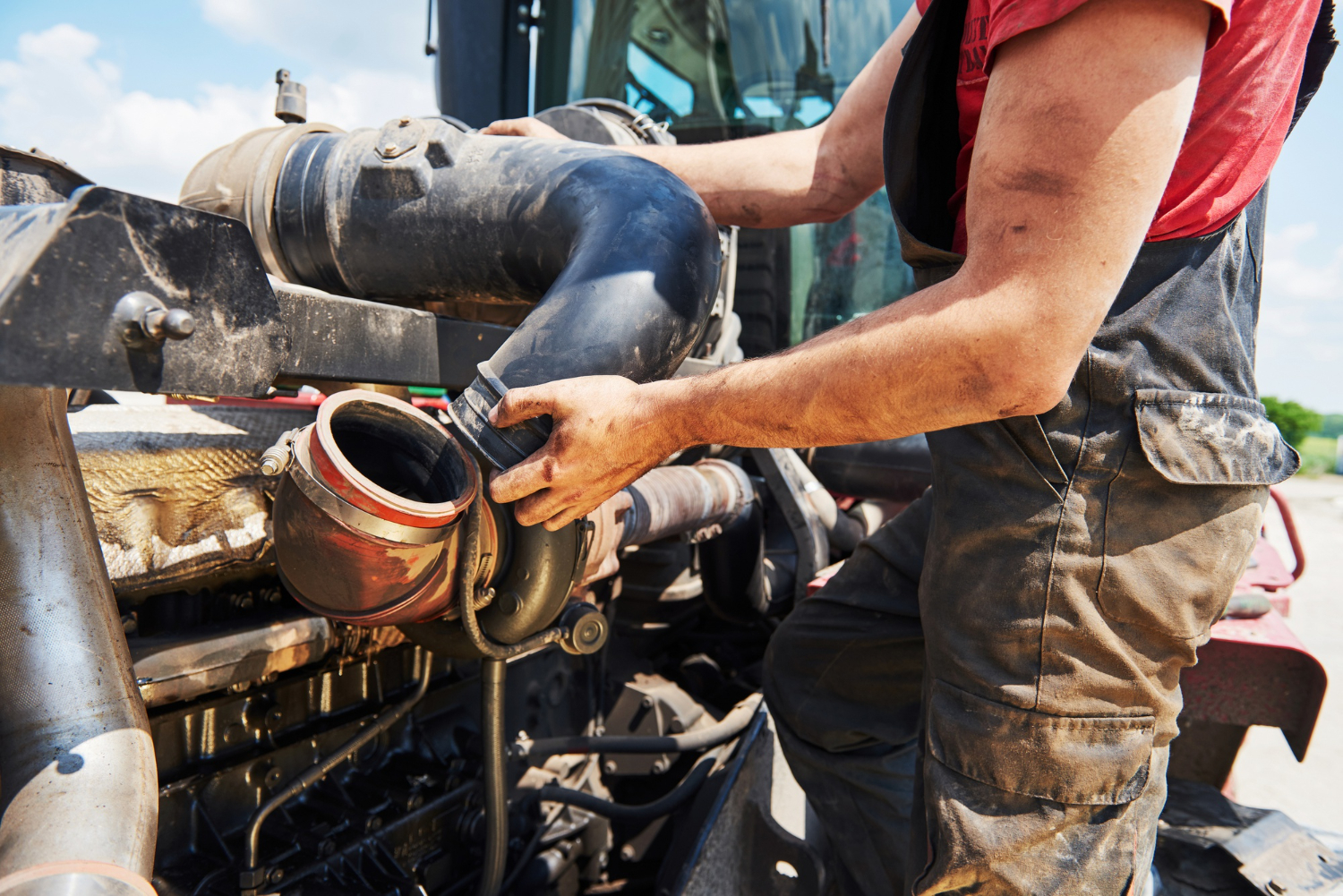
Agricultural machinery plays an essential role in modern farming, helping farmers complete planting, harvesting, irrigation, and soil preparation more efficiently. However, technical problems can interrupt operations, increase maintenance costs, and reduce productivity during critical farming seasons. Selecting suitable equipment and ensuring access to replacement parts and technical support can help agricultural businesses reduce downtime and improve long-term machinery reliability. Understanding common machinery problems and how to prevent them is equally important for maintaining performance and extending equipment life.
1. Engine Overheating and Performance Issues
Engine overheating is a common problem in tractors, harvesters, and other agricultural equipment. It can occur when cooling systems become clogged with dust, radiator fins collect debris, coolant levels drop, or engines operate under excessive loads. If ignored, overheating may cause serious engine damage and expensive repairs.
How to Prevent Engine Problems
Regularly inspect coolant levels, clean radiator surfaces, and check hoses for leaks or wear. Operators should also replace engine oil and filters according to the manufacturer's maintenance schedule. Furthermore, avoiding excessive loads and allowing adequate cooling during demanding operations can help maintain engine performance.
2. Hydraulic System Leaks and Pressure Loss
Hydraulic systems control important functions such as lifting implements, steering tractors, and operating harvesters. Damaged seals, worn hoses, contaminated hydraulic fluid, and loose connections can cause leaks or pressure loss. Consequently, machinery may respond slowly or fail to operate attachments correctly.
How to Prevent Hydraulic Problems
Preventive maintenance begins with checking hydraulic hoses, fittings, seals, and fluid levels. Replace damaged components promptly and use hydraulic oil that meets the equipment manufacturer's specifications. Keeping the system clean also helps protect pumps, valves, and cylinders from premature wear.
3. Electrical Failures and Starting Difficulties
Electrical problems can prevent agricultural machinery from starting or interfere with sensors, lighting, and electronic controls. Common causes include weak batteries, corroded terminals, damaged wiring, faulty alternators, and blown fuses. Moisture and dust can make these issues more frequent in demanding agricultural environments.
How to Prevent Electrical Failures
To reduce electrical failures, inspect battery connections, clean corroded terminals, and check wiring for cracks or loose connections. Batteries should be tested regularly, especially before busy farming seasons. In addition, protect electrical components from moisture and follow the manufacturer's guidance when diagnosing electronic faults.
4. Transmission and Gearbox Problems
Transmission problems can affect a tractor's ability to change gears, transfer engine power, or move smoothly across fields. Low transmission fluid, worn gears, damaged clutches, and neglected lubrication may contribute to unusual noises, slipping, or difficult gear changes.
How to Prevent Transmission Problems
Farm operators can prevent many of these problems by checking transmission fluid and following recommended servicing intervals. Avoid sudden gear changes under heavy loads and investigate unusual vibrations or noises early. Timely repairs can prevent minor faults from developing into major mechanical failures.
5. Clogged Filters and Fuel System Issues
Dust, dirt, poor-quality fuel, and clogged filters can reduce engine efficiency and cause inconsistent performance. Fuel system problems may lead to difficult starting, reduced power, or increased fuel consumption. These issues are particularly disruptive when machinery must operate continuously during planting or harvesting.
How to Prevent Fuel System Problems
Replace fuel and air filters at the recommended intervals, drain water from fuel separators when required, and purchase suitable fuel from dependable sources. Clean storage practices also help prevent contamination and protect injectors and other sensitive engine components.
Practical Agricultural Machinery Maintenance Checklist
A consistent maintenance routine helps operators identify problems before they result in costly breakdowns. The following checklist can be adapted to the equipment manufacturer's recommendations and operating conditions.
Before Each Operating Day
- Check engine oil, coolant, and hydraulic fluid levels according to the manufacturer's instructions.
- Inspect visible hoses, connections, and components for leaks or damage.
- Check tires or tracks for visible wear and damage.
- Inspect air intake areas and radiator surfaces for excessive dust or debris.
- Verify that warning lights, safety guards, and essential controls function correctly.
During Scheduled Maintenance
- Replace filters and lubricants at the specified service intervals.
- Inspect hydraulic fittings, electrical connections, belts, and transmission components.
- Check battery condition and charging performance.
- Review unusual noises, vibrations, or changes in machine performance.
- Record maintenance activities, operating hours, and replacement parts.
Maintenance frequency should always follow the manufacturer's service manual. Equipment operating in dusty environments or under demanding workloads may require more frequent inspections.
How to Choose Reliable Agricultural Machinery Suppliers in China
Preventing technical problems starts before machinery reaches the farm. Buyers should evaluate equipment specifications, component quality, maintenance requirements, and spare parts availability. When comparing agricultural machinery suppliers in China, businesses should also review product documentation, warranty conditions, quality inspection procedures, and after-sales support.
It is also important to confirm that machinery suits local soil conditions, climate, workloads, and operator experience. Buyers should ask about replacement parts, service manuals, and technical assistance. Selecting equipment based on long-term operating needs rather than purchase price alone can reduce unexpected downtime and maintenance expenses.
Before placing an international order, buyers should also confirm shipping arrangements, equipment compatibility with local requirements, spare parts delivery times, and the availability of technical support in their region.
Conclusion
Common agricultural machinery problems, including engine overheating, hydraulic leaks, electrical failures, transmission faults, and clogged filters, can often be reduced through regular inspections and preventive maintenance. Early fault detection, proper lubrication, clean operating conditions, and timely replacement of worn parts help keep equipment dependable.
By following a structured maintenance checklist, maintaining machinery correctly, and choosing suitable equipment from reliable suppliers, agricultural businesses can improve operational efficiency, control repair costs, and support more productive farming throughout the year.