Harnessing Energy Modeling for Sustainable Mixed-Use Districts
This article delves into the critical role of energy modeling in the design and development of mixed-use districts, offering strategies for maximizing sustainability and efficiency.
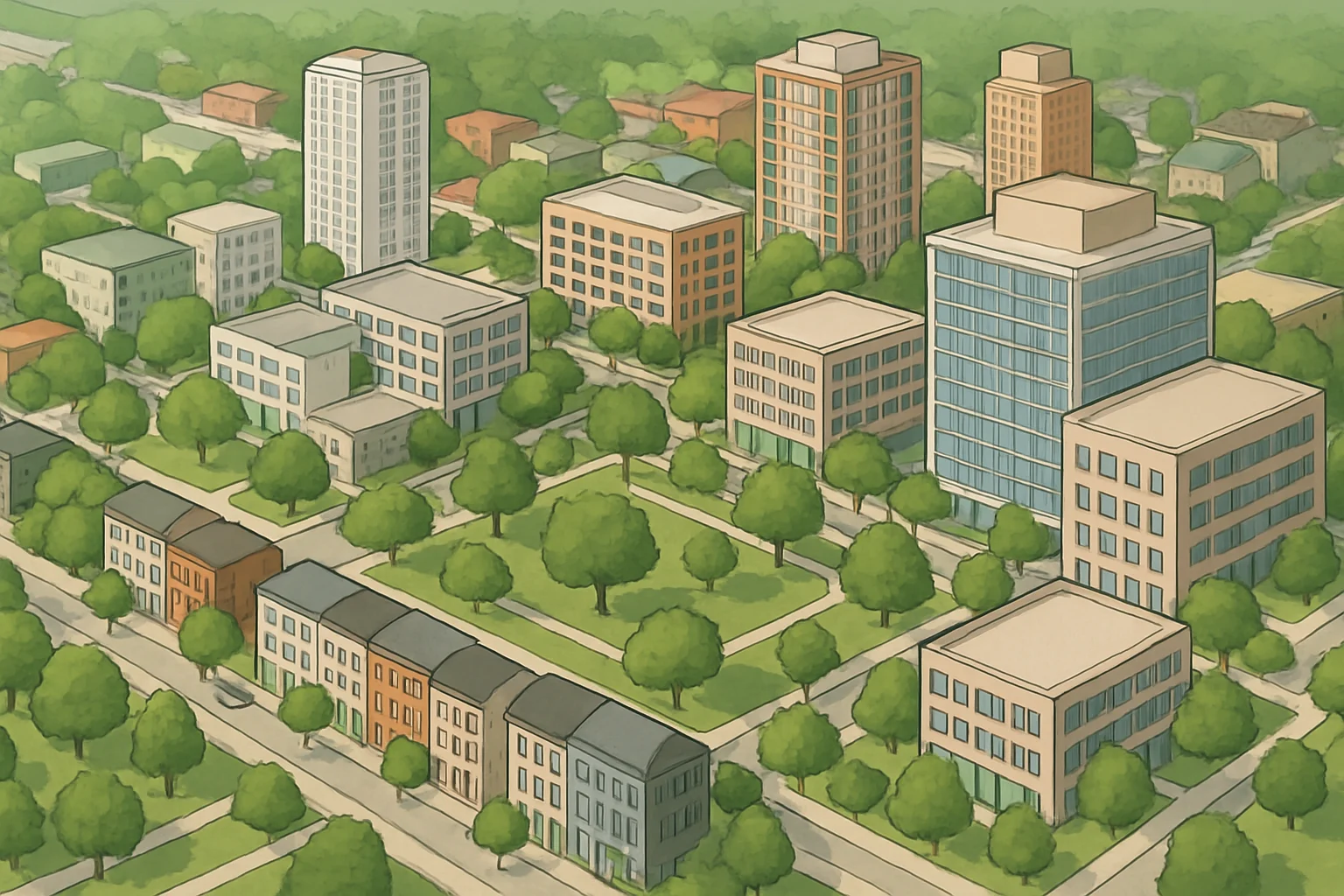
As urban areas grow, the need for sustainable mixed-use districts becomes increasingly vital. These areas combine residential, commercial, and recreational spaces to promote community living while minimizing environmental impact. Energy modeling plays a crucial role in optimizing these spaces for energy efficiency, cost savings, and overall sustainability. This article will explore how energy modeling can transform the planning and design phases of mixed-use districts, ensuring they meet current and future demands.
The Importance of Energy Modeling
Energy modeling is a sophisticated process that simulates the energy consumption of buildings and environments. It leverages computational tools and algorithms to predict how energy flows through different building systems and their interactions with the environment. For mixed-use districts, energy modeling provides insights that aid in the effective integration of various functionalities while ensuring energy efficiency.
Moreover, energy modeling facilitates better decision-making during the design phase by:
- Identifying Energy Efficiency Opportunities: It enables architects and engineers to assess various design configurations, technologies, and materials to optimize energy use.
- Enhancing Building Performance: By understanding energy dynamics, stakeholders can create buildings that perform better under real operating conditions.
- Reducing Operational Costs: Accurate modeling leads to informed investments in energy systems, resulting in lower utility bills and reduced maintenance costs over time.
- Supporting Sustainable Goals: Energy models help align projects with local and global sustainability targets, thereby ensuring compliance with regulations.
Key Components of Energy Modeling
Effective energy modeling involves various components, each contributing to the overall prediction of energy use and sustainability:
- Building Envelope: The materials and design of walls, roofs, and windows that influence energy efficiency.
- HVAC Systems: Heating, ventilation, and air conditioning systems play a significant role in energy consumption.
- Lighting: Both artificial and natural lighting within buildings must be considered for a comprehensive energy model.
- Renewable Energy Sources: Integration of solar panels, wind turbines, and other renewables can greatly offset energy needs.
Models also account for local climate data, occupancy patterns, and operational schedules to provide accurate assessments of energy use.

Steps to Implement Energy Modeling in Mixed-Use Districts
Integrating energy modeling into the development of mixed-use districts involves a systematic approach:
- Establish Goals: Define energy performance goals aligned with local regulations and sustainability targets.
- Select Appropriate Software: Choose energy modeling software that suits the project’s complexity and requirements. Popular options include EnergyPlus, eQuest, and TRNSYS.
- Data Collection: Gather necessary data such as building layouts, local climate, and material properties to input into the model.
- Model Development: Create the energy model by defining all components, systems, and assumptions based on building design.
- Simulation and Analysis: Run simulations to analyze various scenarios, identifying optimal solutions for energy efficiency.
- Review and Optimize: Adjust the design based on findings from the simulations, iterating until the desired performance metrics are achieved.
- Document and Collaborate: Ensure documentation of the modeling process and collaborate with stakeholders to discuss findings and adjustments.
Technological Innovations in Energy Modeling
The field of energy modeling is continuously evolving, driven by advancements in technology. Notable innovations include:
- Integration with Building Information Modeling (BIM): The combination of energy modeling with BIM allows for a more holistic approach to building design, enabling real-time analysis and modifications.
- Machine Learning and AI: These technologies can enhance predictive accuracy by analyzing vast data sets to recognize patterns and optimize energy consumption.
- Real-Time Monitoring: Smart technologies facilitate real-time energy monitoring, enabling post-occupancy analysis and adjustments.
These innovations not only improve the efficiency of the modeling process but also enhance the quality of the final design, leading to more sustainable outcomes.
Case Studies of Successful Energy Modeling in Mixed-Use Districts
Several projects around the world have successfully utilized energy modeling in their design process:
- The Bullitt Center in Seattle: Known as the greenest commercial building in the world, the building’s energy performance was optimized through rigorous energy modeling, leading to net-zero energy use.
- King Street Station Redevelopment in Sydney: This mixed-use project utilized energy modeling to integrate renewable energy sources, achieving substantial operational cost savings and sustainability benchmarks.
- Hudson Yards in New York City: Energy modeling was crucial in this large-scale development, focusing on smart technologies to manage energy use across various functions.
Challenges and Considerations
Despite the benefits, integrating energy modeling into mixed-use district design poses several challenges:
- Data Availability: Accurate modeling relies heavily on quality data, which may not always be accessible.
- Complex Interactions: The multitude of systems interacts in complex ways, making it difficult to predict performance accurately.
- Stakeholder Engagement: Involving all stakeholders is crucial, but can be difficult in large projects where interests may vary significantly.
To overcome these challenges, it's essential to adopt a collaborative approach, focusing on continuous communication and transparency throughout the modeling process.
Conclusion
Energy modeling is a powerful tool that can significantly influence the design outcomes of mixed-use districts. By understanding and simulating energy flows, stakeholders can create sustainable, efficient urban spaces that not only meet regulatory requirements but also enhance community well-being. As technology continues to evolve, the integration of smart systems and real-time data will only increase the effectiveness of energy modeling, paving the way for the cities of the future. For practicing engineers, architects, and builders, embracing energy modeling is not just a choice — it’s a necessity for creating resilient and sustainable urban environments.