Integrating Water-Sensitive Urban Design Retrofits: Standards and Best Practices
Explore how water-sensitive urban design (WSUD) retrofits can enhance urban resilience and sustainability, focusing on relevant standards and practical implications for professionals in the field.
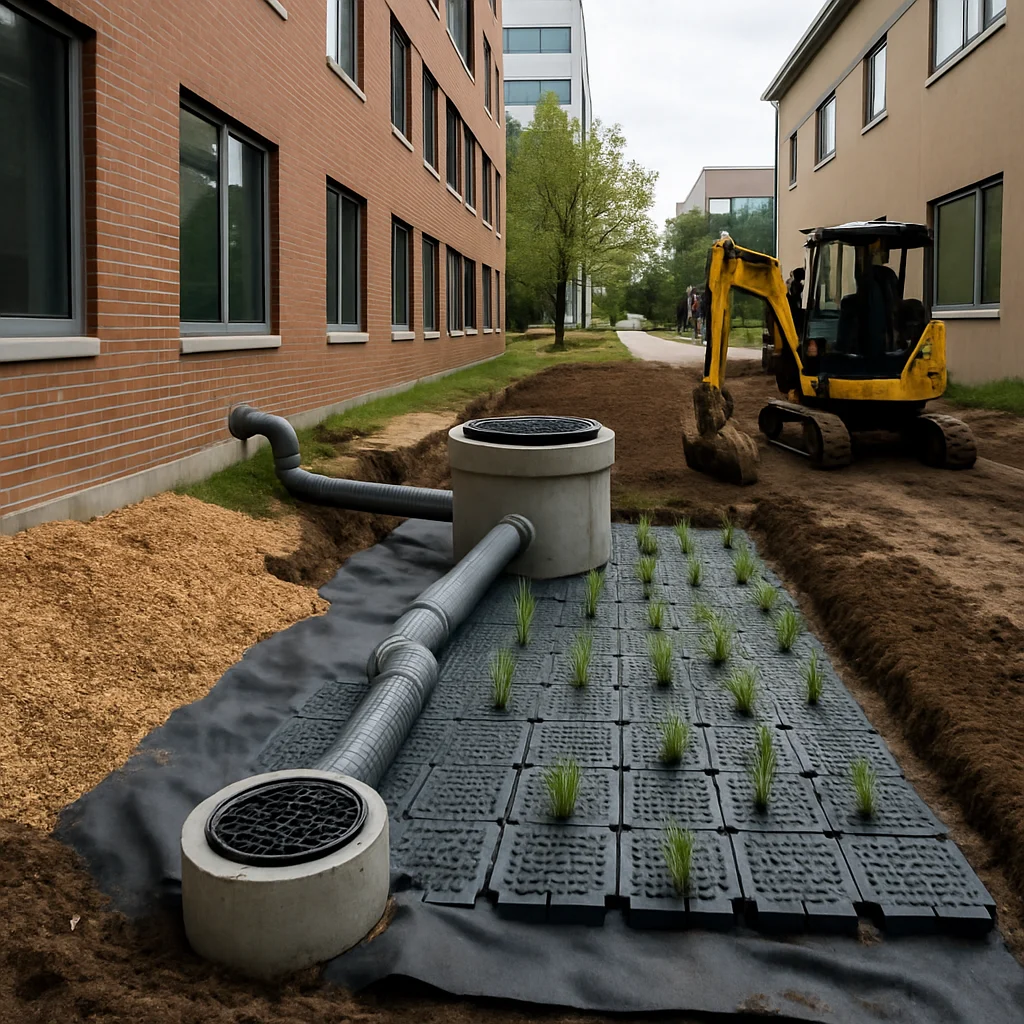
The urban heat island effect, increased flooding, and diminishing water quality are concerns that urban planners and designers must address in the evolving built environment. Water-sensitive urban design (WSUD) retrofits offer a proactive approach to managing water resources while enhancing urban livability. This article seeks to explain the relevant standards and codes while providing best practices for implementing WSUD retrofits effectively.
Understanding Water-Sensitive Urban Design (WSUD)
WSUD refers to an integrated approach to urban planning and design that manages the quantity and quality of stormwater, promotes water conservation, and enhances green space. The primary aim is to mimic the natural water cycle, thereby reducing reliance on conventional drainage systems and fostering biodiversity.
Standards and Codes Governing WSUD Retrofits
Several key standards and guidelines govern water-sensitive urban design practices, particularly in the United States. Key standards include:
- American Society of Civil Engineers (ASCE) 7: This standard outlines the minimum design loads for buildings and other structures, including considerations for flooding and drainage systems.
- Environmental Protection Agency (EPA) Guidelines: These guidelines provide a framework for stormwater management practices, including green infrastructure techniques such as bioretention, green roofs, and permeable pavements.
- American National Standards Institute (ANSI) standards: ANSI develops consensus standards that are incorporated into various codes, including stormwater management practices.
- Green Infrastructure (GI) Standards: These standards focus on practices that utilize vegetation, soils, and natural processes to manage stormwater and improve water quality.
Relevant Codes and Their Implications
In addition to standards, various codes influence the implementation of WSUD retrofits. Below are some codes and their implications:
| Code | Implication |
|---|---|
| International Building Code (IBC) | The IBC provides minimum requirements for building safety, which may include considerations for stormwater runoff management in the context of construction and renovation projects. |
| National Pollutant Discharge Elimination System (NPDES) | This program regulates water pollution by requiring permit holders to implement state-of-the-art stormwater management practices that can include WSUD techniques. |
| Local Zoning Ordinances | Many municipalities have specific requirements regarding green infrastructure and WSUD, mandating that new developments incorporate sustainable practices. |
Key Best Practices for WSUD Retrofits
To successfully integrate WSUD retrofits, professionals should adopt the following best practices:
- Conduct a Site Assessment: Evaluate the existing conditions, including hydrology, soil types, and vegetation. This will inform the selection of appropriate WSUD strategies.
- Engage Stakeholders: Involve local communities and stakeholders early in the planning process to gain support and insight into local needs and preferences.
- Incorporate Native Plant Species: Use native vegetation in bioretention and green roofs to enhance biodiversity and reduce maintenance requirements.
- Utilize Permeable Materials: Implement permeable pavements and surfaces to reduce runoff and promote groundwater recharge.
- Monitor and Maintain: Establish ongoing monitoring programs to assess the performance of WSUD measures and adapt management practices as needed.
Conclusion
Water-sensitive urban design retrofits present a critical opportunity for urban environments to adapt to climate challenges while enhancing the quality of life for residents. By adhering to relevant standards and codes, and implementing best practices, engineers, architects, and builders can create resilient, sustainable urban spaces that successfully integrate water management with ecological and community needs. As the demand for urban sustainability increases, WSUD retrofits will play an integral role in shaping the landscapes of our cities.