Myth vs Fact: Digital Twins for Predictive Maintenance Across Asset Portfolios
This article breaks down common myths surrounding the use of digital twins in predictive maintenance, providing factual insights to help engineering and real estate professionals make informed decisions.
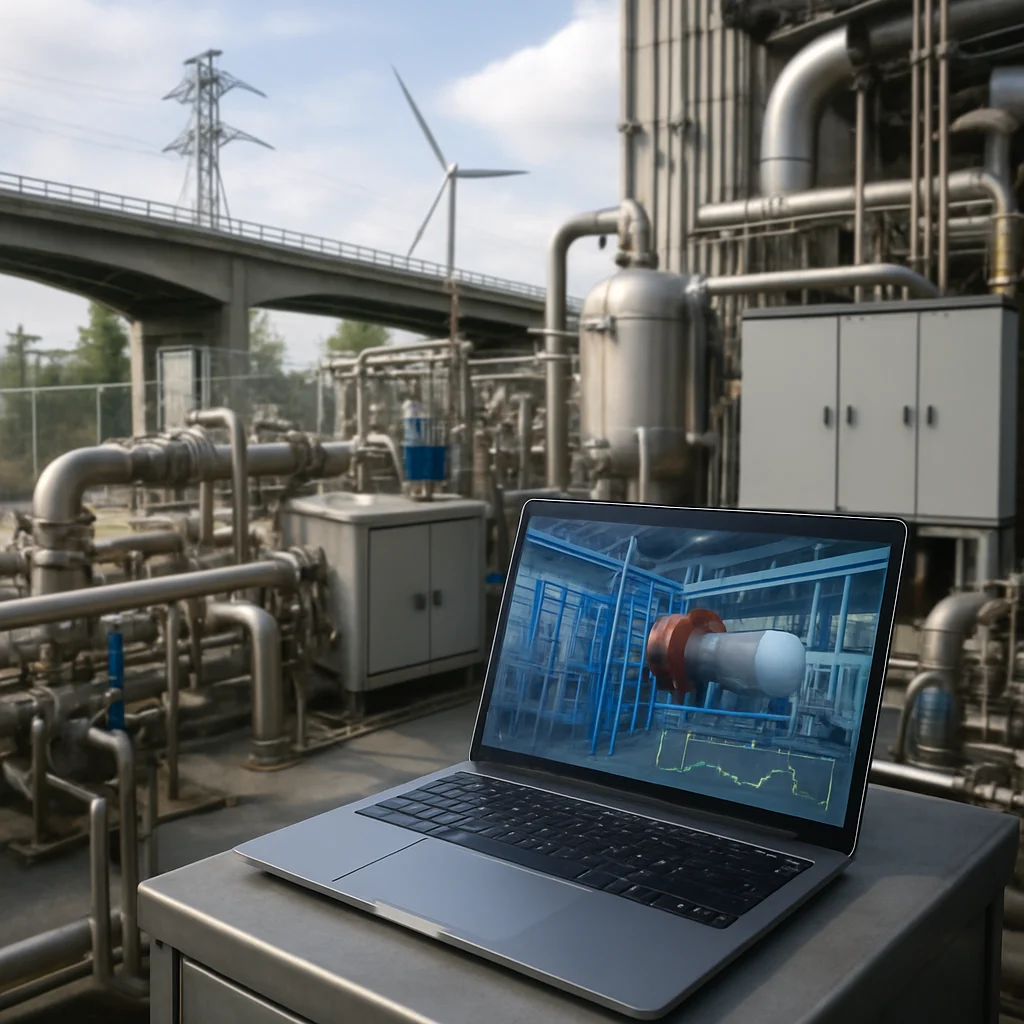
The integration of digital technologies in engineering and asset management has led to significant advancements, particularly in the realm of predictive maintenance. One of the most discussed technologies is the digital twin. This article aims to clarify prevalent myths surrounding digital twins while providing factual insights that can empower engineers, architects, builders, and real estate professionals in the European market.
Myth 1: Digital Twins Are Only for Large Enterprises
Fact: Digital twins are versatile tools that can be adapted to organizations of all sizes. While large companies may have more expansive asset portfolios, small and medium enterprises can also leverage digital twins for their predictive maintenance strategies, ultimately improving their operational efficiency.
Myth 2: Implementing Digital Twins Is Always Cost-Prohibitive
Fact: Although there’s an initial investment in technology and training, the long-term savings from reduced downtime and improved maintenance practices often outweigh the costs. Furthermore, cloud-based digital twin solutions have made this technology more accessible and affordable.
Myth 3: Digital Twins Are Only Useful for Manufacturing Assets
Fact: Digital twins can provide value across various sectors, including real estate, infrastructure, and utilities. By creating a virtual representation of physical assets, stakeholders gain insights that lead to more effective maintenance schedules, regardless of the industry.
Myth 4: Digital Twins Eliminate the Need for Human Oversight
Fact: While digital twins automate data collection and analysis, they are designed to support—rather than replace—human decision-making. Engineers and maintenance professionals still play an essential role in interpreting data and making strategic decisions based on digital twin outputs.
Myth 5: Data from Digital Twins Is Unreliable or Inaccurate
Fact: The accuracy of a digital twin is contingent on the quality of data input. When integrated with IoT sensors and real-time data feeds, digital twins provide highly accurate and actionable insights, leading to better predictive maintenance outcomes.
Myth 6: Digital Twins Are Static Models
Fact: Digital twins are dynamic; they evolve with the physical asset they represent. Continuous updates from real-time data allow digital twins to reflect current conditions, enabling real-time monitoring and proactive maintenance strategies.
Myth 7: All Digital Twin Solutions Are the Same
Fact: The effectiveness of digital twin solutions can vary significantly based on the technology provider, the data integration capabilities, and the specific needs of the organization. Thorough research and proper vendor selection are critical to finding a digital twin solution that aligns with an organization’s objectives.
Conclusion
As the European market transitions toward more data-driven decision-making in engineering and real estate, understanding the capabilities and benefits of digital twins for predictive maintenance becomes crucial. By distinguishing myths from facts, professionals can harness the power of this innovative technology, ultimately leading to more effective asset management and maintenance strategies.