Predictive Analytics in Engineering Project Management: A Comprehensive Guide
This article explores how predictive analytics can transform project management in engineering, enhancing decision-making, efficiency, and risk management.

As the landscape of engineering rapidly evolves, project managers face increasing pressure to deliver projects on time, within budget, and to the required quality standards. In this challenging environment, predictive analytics emerges as a pivotal tool, enabling engineers and managers to enhance decision-making, optimize efficiency, and mitigate risks. This article delves deep into the role of predictive analytics in engineering project management, exploring its applications, benefits, and the future landscape of project execution.
Understanding Predictive Analytics
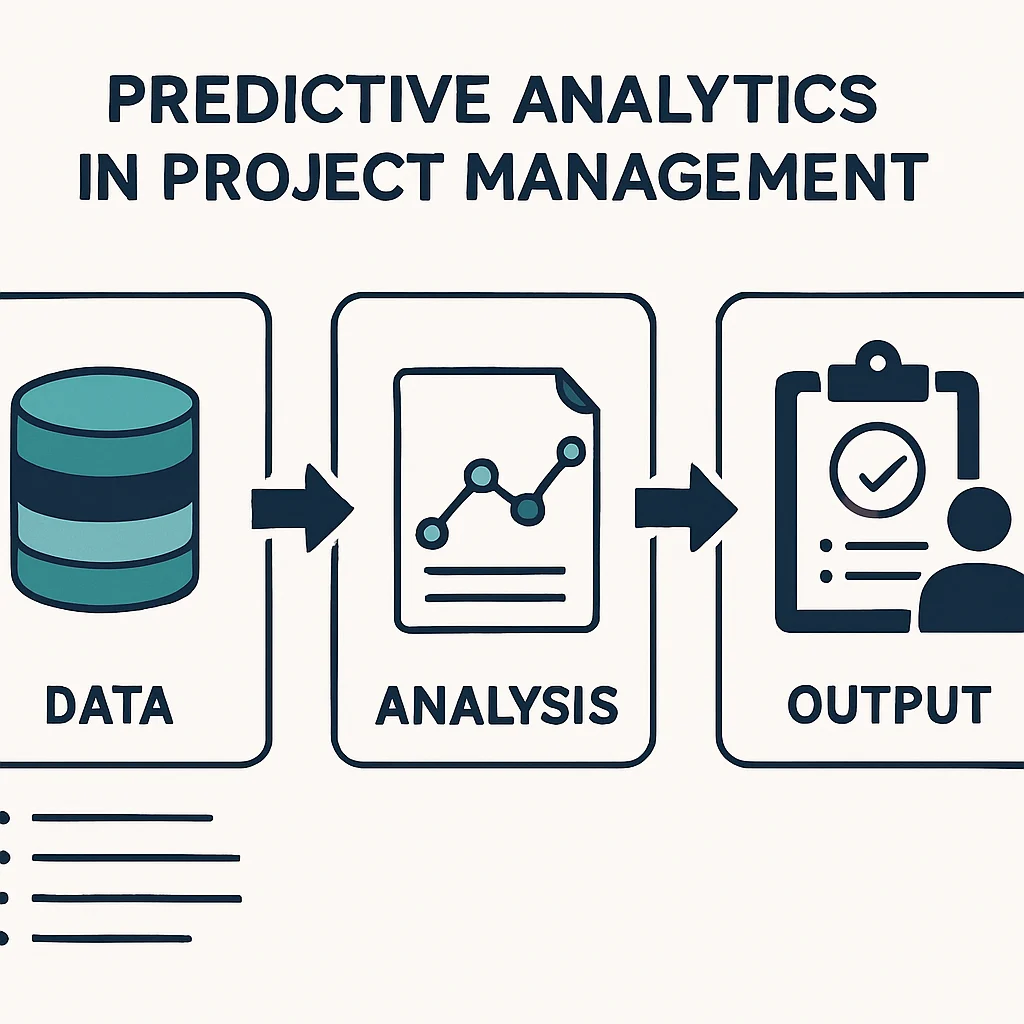
Predictive analytics refers to the use of statistical algorithms, machine learning techniques, and data analysis to identify the likelihood of future outcomes based on historical data. In the context of project management, predictive analytics combines vast amounts of data from various sources, including previous projects, industry benchmarks, and real-time information, to forecast potential challenges and opportunities.
Key components of predictive analytics include:
- Data Collection: Gathering relevant data from past projects including timelines, budgets, resources, and outcomes.
- Data Processing: Cleaning and organizing the data to ensure accuracy and usability.
- Modeling: Developing predictive models using algorithms and statistical techniques to analyze data patterns.
- Prediction: Generating forecasts based on the models to guide future decision-making.
Applications of Predictive Analytics in Project Management
Predictive analytics can revolutionize project management in engineering through various applications designed to enhance efficiency and reduce costs.
1. Risk Management
One of the critical applications of predictive analytics is in risk management. By analyzing historical data from previous projects, teams can identify potential risks and their impacts. For example, predictive models can forecast the likelihood of delays due to weather, resource shortages, or budget overruns. This proactive approach allows project managers to implement mitigation strategies before risks become unmanageable.
2. Resource Allocation
Predictive analytics enables more effective resource allocation by analyzing workload patterns and project timelines. By understanding when resources will be needed most, project managers can ensure optimal staffing and equipment availability, thereby reducing downtime and improving productivity.
3. Cost Estimation
Cost estimation is another area where predictive analytics shines. Historical data can provide valuable insights into cost trends for specific types of projects or resources. By applying these insights, project managers can create more accurate budgets and track expenditures against forecasts, enabling quick adjustments when necessary.
4. Schedule Management
Accurate scheduling is paramount in engineering projects. Predictive analytics can significantly enhance schedule management by forecasting project timelines based on previous performance data. This allows project managers to identify potential bottlenecks and adjust schedules proactively to avoid delays.
5. Stakeholder Engagement
Involving stakeholders in the project process is crucial for success. Predictive analytics provides data-driven insights that can be shared with stakeholders, enhancing transparency and fostering trust. By presenting forecasts and analyses, managers can better communicate project statuses and anticipated outcomes, ensuring stakeholder alignment.
Benefits of Utilizing Predictive Analytics
The integration of predictive analytics into project management processes offers numerous benefits:
- Improved Decision-Making: Data-driven insights lead to more informed decisions that can boost project success rates.
- Enhanced Efficiency: By forecasting potential issues and resource needs, teams can streamline workflows and eliminate waste.
- Cost Savings: Accurate cost estimation and risk mitigation strategies can lead to significant savings, maximizing project ROI.
- Competitive Advantage: Organizations that leverage predictive analytics can stand out in a competitive market by delivering projects more efficiently and effectively than competitors.
Challenges to Implementation
Despite the advantages, implementing predictive analytics in project management is not without its challenges:
- Data Quality: The effectiveness of predictive analytics relies heavily on the quality and accuracy of the data. Incomplete or erroneous data can lead to misleading forecasts.
- Skill Gap: Many project managers may lack the necessary technical skills to analyze data and create predictive models, necessitating training or hiring specialists.
- Integration with Existing Systems: Incorporating predictive analytics tools into existing project management software can pose technical challenges that require thoughtful planning and execution.
The Future of Predictive Analytics in Engineering Project Management
The future of predictive analytics in engineering project management looks promising. Advances in artificial intelligence (AI) and machine learning are likely to enhance predictive capabilities further, enabling even more accurate forecasts and deeper insights. As organizations continue to recognize the value of data-driven decision-making, investment in predictive analytics tools and training will likely increase.
Moreover, the growing trend of smart cities and infrastructure development emphasizes the need for sophisticated project management techniques that can adapt to the complexities of large-scale projects. Predictive analytics will play an essential role in managing these dynamic environments through continuous data analysis and real-time decision-making.
Conclusion
Predictive analytics represents a transformative approach to project management in the engineering sector. By leveraging historical data, organizations can enhance risk management, optimize resource allocation, and improve overall efficiency. While challenges exist, the benefits of implementing predictive analytics far outweigh the obstacles. As technology progresses, the future holds new opportunities for engineers and project managers ready to embrace this powerful tool, paving the way for more successful and innovative projects.