Revolutionizing Construction: The Role of Edge AI in Robotics
Explore how edge AI is transforming construction robotics, improving efficiency, safety, and project outcomes in the engineering sector.
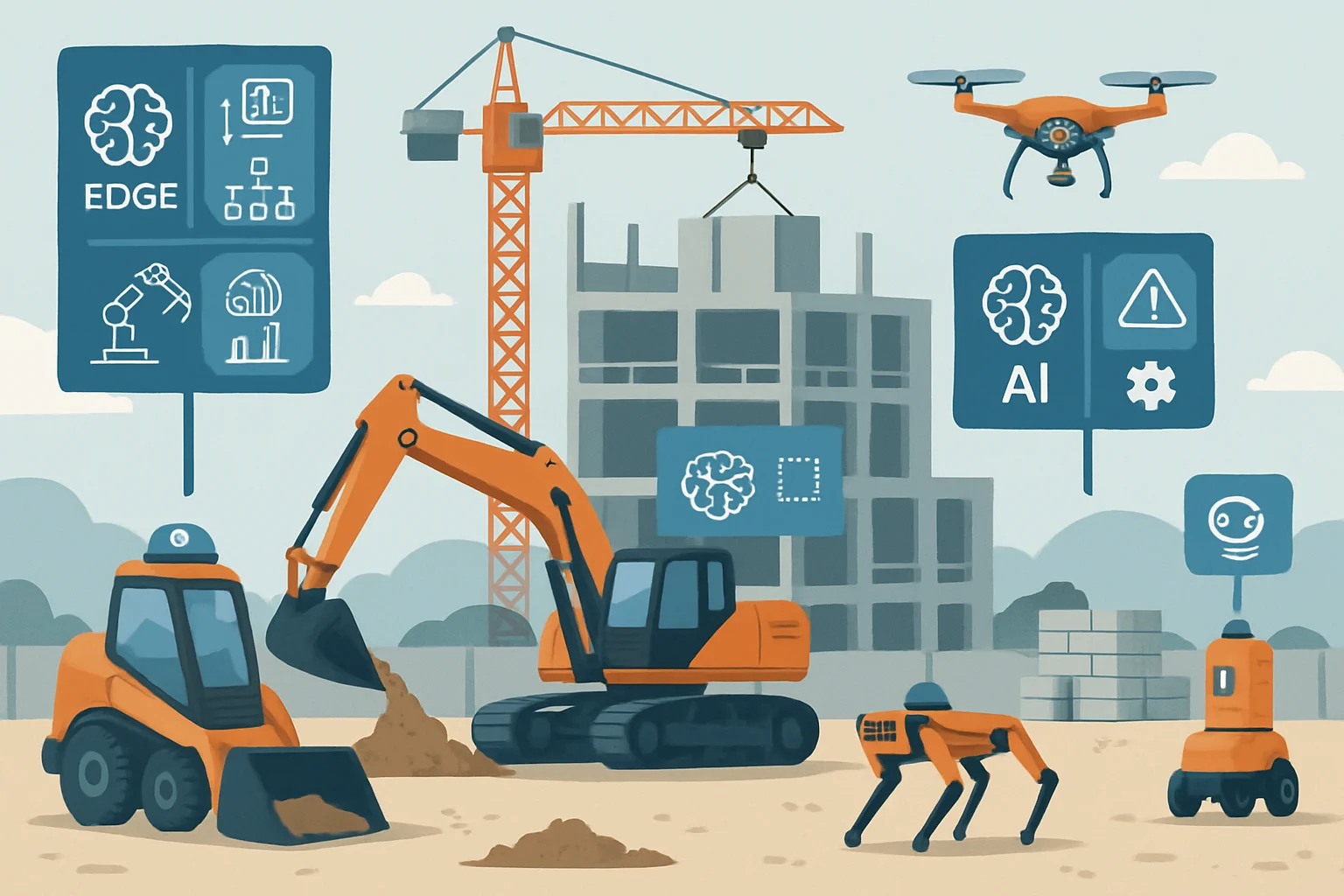
The construction industry is undergoing significant transformation with the integration of advanced technologies. One of the most promising advancements is the application of edge artificial intelligence (AI) in construction robotics. By enhancing automation, improving safety, and optimizing project efficiency, edge AI is set to revolutionize the way construction projects are executed. This article delves into the implications of edge AI for construction robotics, its benefits, and its future in engineering practices.
Understanding Edge AI in Construction
Edge AI refers to the deployment of artificial intelligence applications at the edge of the network, closer to where data is generated, as opposed to relying on centralized data centers. This approach allows for real-time data processing, which is essential in dynamic environments such as construction sites. Edge AI stands out in construction robotics for several key reasons:
- Real-Time Processing: Immediate data analysis enhances decision-making.
- Reduced Latency: Minimizes delays in communication between devices.
- Enhanced Security: Data remains on-site, reducing vulnerabilities associated with cloud storage.
- Cost Efficiency: Reduces the need for extensive bandwidth and cloud resources.
The Role of Robotics in Construction
Robots are becoming increasingly integral to construction projects, handling tasks ranging from bricklaying to demolition. With the integration of edge AI, these robots can operate more autonomously and efficiently. Notable roles of robotics in construction include:
- Automated Material Handling: Robotic systems streamline the transportation and placement of materials.
- Precision Construction: Robots enhance accuracy in tasks like cutting, welding, and assembly.
- Site Monitoring: Drones equipped with AI analyze site conditions and provide real-time feedback.
Benefits of Edge AI in Construction Robotics
Integrating edge AI into construction robotics offers several advantages that significantly impact project success:
1. Improved Safety
Safety is a primary concern on construction sites. Edge AI can analyze environmental data in real-time to detect hazards and warn workers proactively. Robots equipped with edge AI can perform high-risk tasks, reducing human exposure to dangerous situations.
2. Enhanced Efficiency
Real-time data processing allows robotics to adapt to changes in the construction environment instantly. Robots can optimize their paths and tasks, which leads to improved workflow and reduced downtime.
3. Cost Savings
By automating repetitive tasks and reducing errors, edge AI in construction robotics results in significant cost savings. Efficient resource utilization minimizes waste, leading to lower overall project costs.
Challenges and Considerations
While the benefits of edge AI and robotics in construction are substantial, several challenges remain:
- Integration Compatibility: Ensuring new systems work seamlessly with existing infrastructure can be complex.
- Technical Expertise: The demand for skilled personnel to manage and maintain robotic systems is increasing.
- Initial Costs: High upfront investment for advanced robotics and AI systems may deter some firms.
Addressing these challenges requires collaboration across industry stakeholders, including engineers, architects, and technology developers.

Case Studies: Successful Implementation of Edge AI in Construction
Several pioneering firms are leveraging edge AI in construction robotics to achieve remarkable outcomes. Here are a few notable examples:
1. Built Robotics
Built Robotics has developed autonomous vehicles capable of performing excavation tasks. Using edge AI, these vehicles can process data from their environment to navigate and operate safely in complex work sites.
2. Dusty Robotics
Dusty Robotics focuses on automating the layout of construction sites. Their robotic systems utilize edge AI to ensure precise positioning of materials based on real-time job site conditions.
3. Sarcos Robotics
Sarcos has developed exoskeletons and robotic systems that assist workers in lifting heavy items safely. These systems, powered by edge AI, provide immediate feedback to operators to enhance performance.
Future of Edge AI in Construction Robotics
The future of edge AI in construction robotics is promising, with technologies continually evolving. Trends to watch include:
- Increased Automation: More tasks will be automated, allowing human workers to focus on higher-value activities.
- Integration with IoT: Enhanced connectivity between devices will further improve data sharing and processing.
- Sustainability Initiatives: Robotics powered by edge AI will contribute to greener construction practices through efficient resource management.
Conclusion
As the construction industry continues to embrace technological advancements, the role of edge AI in robotics will become increasingly critical. With its ability to enhance safety, efficiency, and cost-effectiveness, edge AI is set to transform engineering practices in construction. By overcoming the associated challenges, stakeholders can fully harness the potential of this powerful technology, paving the way for a more innovative and sustainable future in construction.