The Essential Checklist for Multi-Physics Co-Simulation in Plant Engineering
This comprehensive checklist ensures that engineers effectively implement multi-physics co-simulation in plant engineering, addressing key considerations and avoiding common pitfalls.
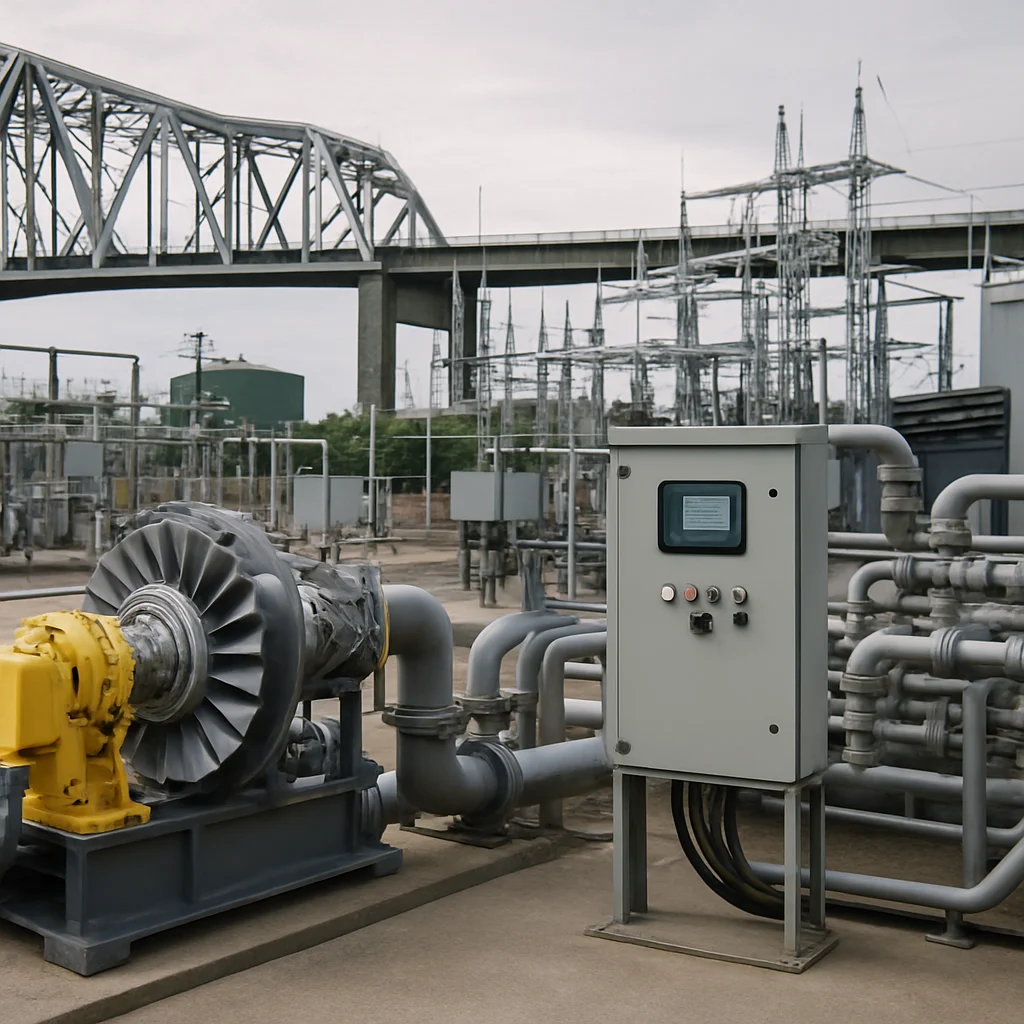
Multi-physics co-simulation is revolutionizing plant engineering by enabling the integration of various physical phenomena into a unified simulation environment. This approach not only enhances the accuracy of predictions but also supports better design decisions, ultimately leading to more efficient operation and maintenance of engineering systems. In this article, we provide a comprehensive checklist that engineers, architects, builders, and real estate professionals can use to effectively incorporate multi-physics co-simulation into their projects.
Understanding Multi-Physics Co-Simulation
Multi-physics co-simulation involves the simultaneous simulation of multiple physical systems, such as mechanical, thermal, electrical, and fluid dynamics. By leveraging advanced simulation tools, engineers can analyze interactions among different domains, leading to a holistic understanding of plant performance.
Key Benefits of Multi-Physics Co-Simulation
- Enhanced Accuracy: Captures complex interactions between systems, leading to more reliable simulations.
- Time Efficiency: Reduces the need for extensive physical prototypes and testing, accelerating the design process.
- Cost Savings: Identifies potential issues early, minimizing costly last-minute changes or retrofits.
- Improved Collaboration: Fosters interdisciplinary teamwork by bringing together diverse engineering disciplines.
Checklist for Successful Multi-Physics Co-Simulation
Implementing multi-physics co-simulation effectively requires careful planning and execution. Below is a structured checklist that outlines essential steps and common pitfalls to avoid:
1. Define Project Objectives
- Identify the primary goals of the simulation (e.g., performance optimization, failure analysis).
- Determine the specific physical phenomena that need to be modeled.
- Establish success metrics to evaluate simulation outcomes.
2. Select Appropriate Simulation Software
- Evaluate software capabilities to ensure it supports necessary multi-physics interactions.
- Consider user-friendliness, support, and training resources available for the software.
- Check for compatibility with existing tools and systems in use.
3. Data Collection and Preparation
- Gather accurate and comprehensive data for all involved physical domains.
- Ensure data formats are compatible with simulation software.
- Review historical performance data for validation and tuning purposes.
4. Develop a Detailed Simulation Model
- Create a robust model incorporating all relevant physical interactions.
- Employ best practices for meshing, boundary conditions, and initial conditions.
- Collaborate with domain experts to validate individual models before integration.
5. Run Co-Simulation and Analyze Results
- Execute the co-simulation, keeping track of computational resources and execution time.
- Perform sensitivity analyses to understand the impact of key parameters.
- Review results for physical plausibility, and compare them against empirical data.
6. Documentation and Iteration
- Document the modeling and simulation process for future reference and reproducibility.
- Iterate on the model based on feedback and findings from the analysis.
- Maintain a log of lessons learned to streamline future co-simulation efforts.
Common Pitfalls to Avoid
- Overlooking Interdisciplinary Collaboration: Failure to involve relevant stakeholders can lead to significant oversights and inaccuracies.
- Neglecting Validation: Skipping validation against experimental data can result in unreliable simulations.
- Insufficient Documentation: Inadequate documentation can hinder knowledge transfer and complicate future projects.
Conclusion
Multi-physics co-simulation presents a powerful opportunity for engineers in plant engineering to optimize designs and ensure success through comprehensive analysis. By utilizing this checklist, professionals can navigate potential challenges and streamline the implementation of multi-physics co-simulation in their projects. Adopting a structured approach not only fosters collaboration among disciplines but also enhances the overall efficacy of engineering solutions in the fast-paced industrial landscape of the USA.