✍️
Publish Your Guest Post
Submit your topic and article via our form.
We accept guest posts from users and businesses across all niches. Links are allowed.
A Guide to Understanding and Controlling Efflorescence in Brickwork
08 Nov 2024 Engineering Vision Constructors

A Guide to Understanding and Controlling Efflorescence in Brickwork

Efflorescence refers to the appearance of white, chalky deposits on brickwork surfaces, a result of soluble salts, such as those from magnesium, calcium, potassium, or sodium, that dissolve in water. These salts may come from the clay used in brick production or the sand mixed into mortar.
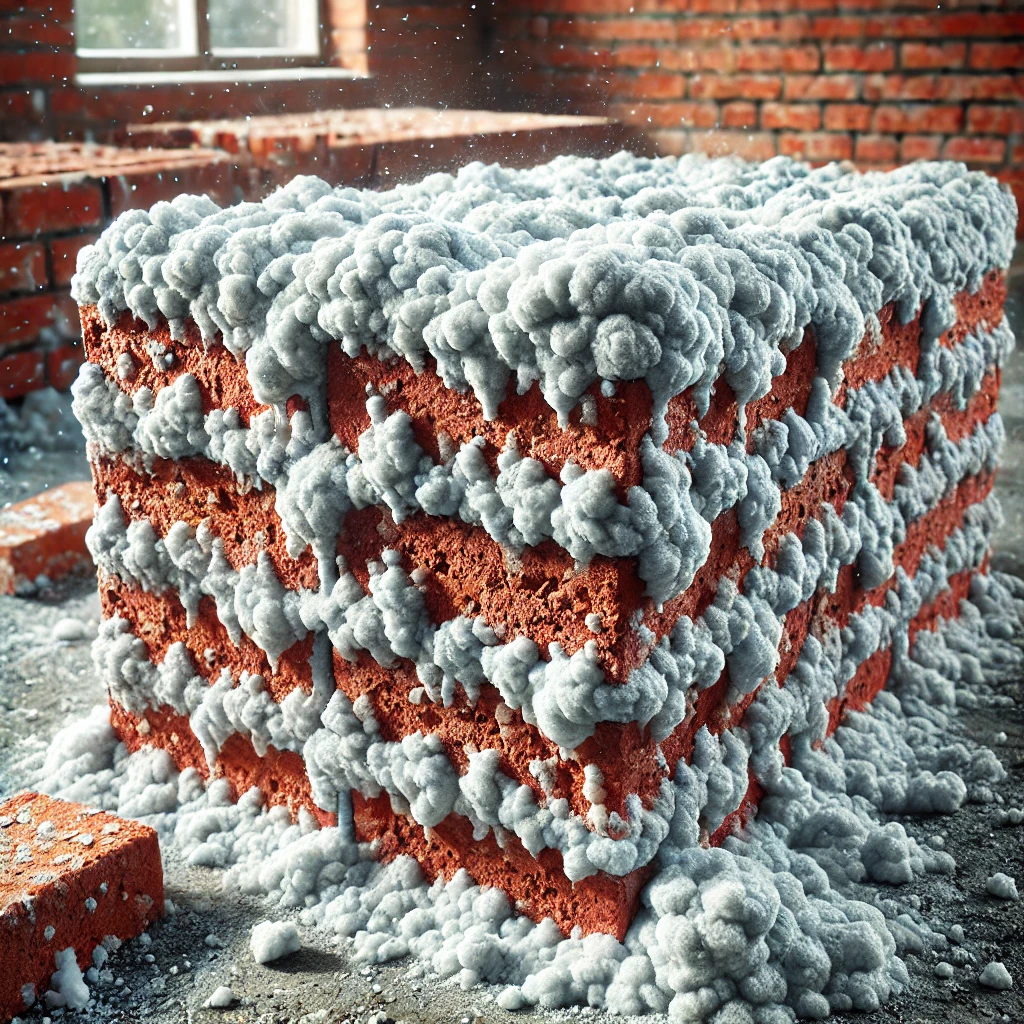
Sources of Soluble Salts

  • Clay: Bricks made from clay contain natural soluble salts that can lead to efflorescence and, in some cases, sulfate attacks on cement mortar.
  • Mortar Sands: Sands, especially those from rivers or pits, generally contain minimal salts. Sea sands, however, require thorough washing before use.
  • Cement: While Portland cement has limited impact on efflorescence, some modern cements with alternative binders may contain sodium sulfate.

How Efflorescence Forms

When water dissolves salts within bricks or mortar, it holds them in solution. As water evaporates, the solution concentrates, depositing salts on the surface or within the pores of the brick.

Minimizing Efflorescence Risks

While eliminating efflorescence entirely is challenging, limiting water penetration can reduce its occurrence. Key methods include:

  • Design Considerations: Include overhangs, copings, and other details to direct runoff away from brick surfaces.
  • Site Management: Site supervisors should protect bricks from moisture and contamination and shield new brickwork from rain.
  • Brick Selection: Bricks can be tested for efflorescence levels before procurement.

Treating Efflorescence

To manage efflorescence, periodically brush off salt deposits with a bristle brush. Avoid using wire brushes or washing with water, as this re-dissolves the salts into the brickwork.

Conclusion

Efflorescence is a common issue in brickwork but can be managed through strategic design, construction practices, and maintenance. By understanding its causes and implementing preventative measures, you can enhance the appearance and longevity of brick structures.

Vision Constructors
Expert Contributor

Vision Constructors

Submit Comment

Vision Constructors
Expert Contributor

Vision Constructors

✍️
Publish Your Guest Post
Submit your topic and article via our form.
We accept guest posts from users and businesses across all niches. Links are allowed.
✍️
Publish Your Guest Post
Submit your topic and article via our form.
We accept guest posts from users and businesses across all niches. Links are allowed.
Featured Blog
How to Design a Glass Facade for a Building: A Step-by-Step Engineering Guide Architecture

14 06 2026

0 How to Design a Glass Facade for a Building: A Step-by-Step Engineering Guide

Discover the complete engineering workflow for designing a high-performance glass facade. This guide covers everything from architectural review and wind load calculations to structural analysis, waterproofing, and installation quality control for complex building envelopes.

Should You Use a Real Estate Agent or Search Properties Yourself? Pros, Cons, and Hidden Risks Real Estate

12 06 2026

0 Should You Use a Real Estate Agent or Search Properties Yourself? Pros, Cons, and Hidden Risks

Many property buyers believe they can save money by searching for a home alone, but the hidden risks of navigating the market without an expert can cost far more than an agent's commission. This guide breaks down whether you should hire an agent or go it alone.

Cooler Parts, Field Readiness, and Smarter Support for Modern Farm Crews Business

12 06 2026

0 Cooler Parts, Field Readiness, and Smarter Support for Modern Farm Crews

Introduction Farm work depends on machines, tools, people, timing, and preparation. Read more on Vision Constructors for practical industry insights.

How Does the Maglev Train Work? The Future of Transportation Without Wheels Engineering

11 06 2026

0 How Does the Maglev Train Work? The Future of Transportation Without Wheels

Explore the engineering principles behind the Maglev train, a revolutionary high-speed rail technology that floats above its tracks using magnetic levitation. This article explains the science of magnetic propulsion, linear motors, and the future of wheel-free transportation.

Multi-Channel CCTV Surveillance Systems: Installation, PoE Networking, and Remote Monitoring Explained Engineering Technology

11 06 2026

0 Multi-Channel CCTV Surveillance Systems: Installation, PoE Networking, and Remote Monitoring Explained

A comprehensive guide for homeowners, businesses, and IT professionals on how to install, configure, and monitor a modern multi-channel CCTV surveillance system using PoE (Power over Ethernet) technology. Learn about NVRs, PTZ cameras, remote access, and security best practices.

How Paper Is Made: From Trees to Finished Products Manufacturing & Industry

11 06 2026

0 How Paper Is Made: From Trees to Finished Products

Billions of sheets of paper are used every day for communication, packaging, and hygiene, yet few understand the complex industrial process behind this essential material. This article breaks down how paper is made, from sustainably managed forests to the finished products in our homes and offices.