Designing Memorable Wedding Experiences: A Comprehensive Approach
Creating unforgettable wedding experiences involves a blend of architectural design, event planning, and an understanding of human emotions. This article explores various elements that contribute to a successful wedding, from venue selection to personalization.
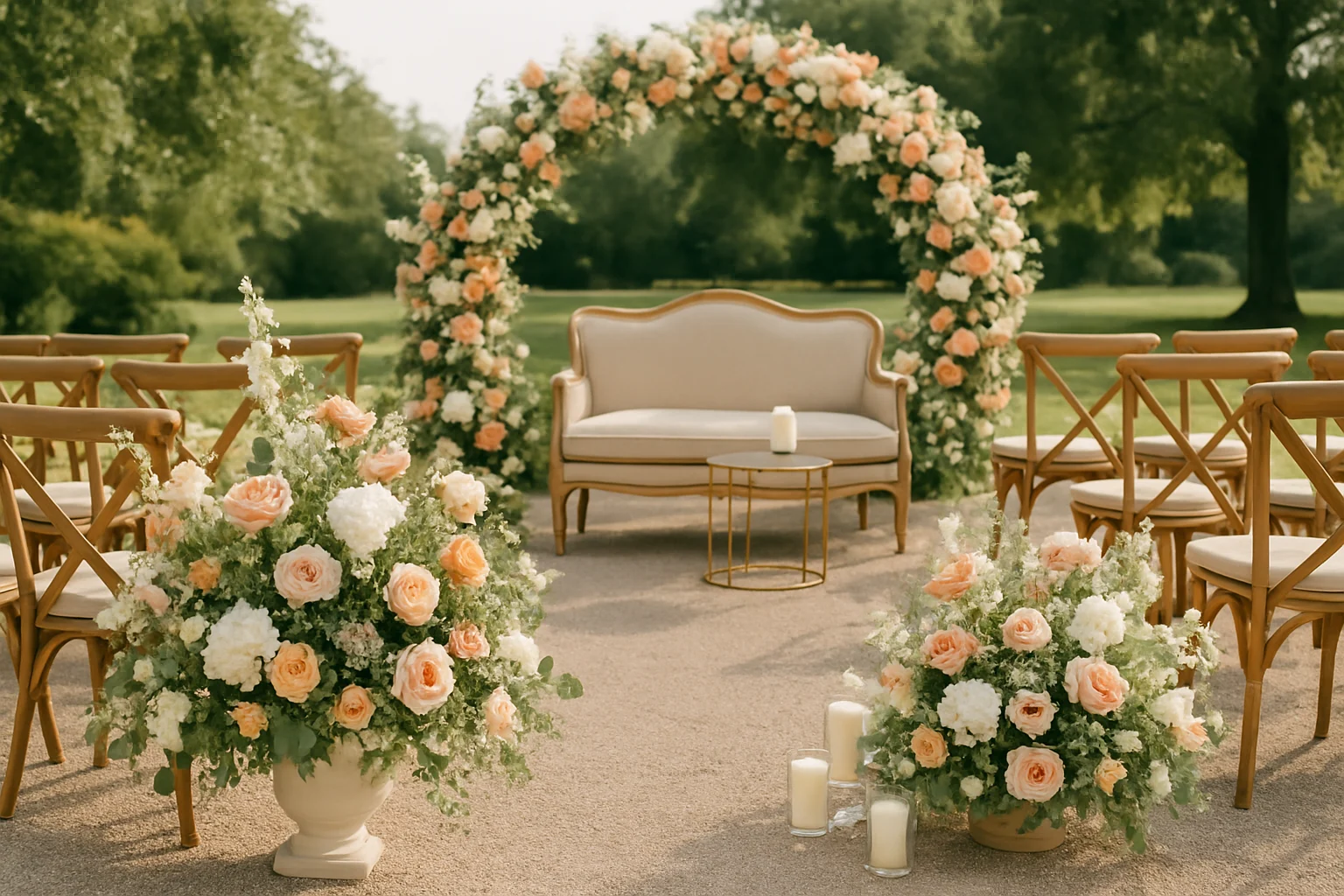
Weddings are celebrations of love and unity that mark significant milestones in people’s lives. However, designing a memorable wedding experience goes beyond just aesthetics—it's about creating an environment that reflects the couple's unique love story, caters to their guests, and leaves lasting impressions. In this article, we will delve into the various elements that contribute to a memorable wedding experience, exploring practical tips for architects, event planners, and designers.
Understanding the Core Elements of Wedding Design
A well-designed wedding experience is the culmination of several core elements, including:
- Venue Selection
- Theme and Decor
- Guest Experience
- Catering and Menu Options
- Personalization
For each of these elements, we'll discuss how they contribute to an overall cohesive experience and how professionals can leverage their skills in planning and design.
Venue Selection: The Foundation of Wedding Design
The venue is often the first major decision couples make when planning a wedding. It sets the tone for the entire event and significantly influences design choices. Factors to consider while selecting a venue include:
- Capacity: Ensure the venue can accommodate the expected number of guests comfortably.
- Location: Choose a location that is accessible for guests, with nearby accommodations if necessary.
- Setting: Consider the natural surroundings, whether it be a rustic barn, elegant ballroom, or a scenic beach.
For instance, an outdoor wedding may require additional considerations such as weather contingencies and facilities for guests. In contrast, an indoor venue might offer more controlled elements but may require extensive decor work to fit the theme.

Theme and Decor: Weaving a Narrative
The wedding theme serves as the narrative framework that guides the overall design. It influences the color palette, floral arrangements, table settings, and even the attire selections. Common themes include:
- Rustic: Incorporates natural materials like wood and burlap with whimsical decorations.
- Classic: Focuses on elegance with timeless colors like white, gold, and navy.
- Modern: Features sleek lines, minimalistic decor, and contemporary color schemes.
Design professionals can build upon these themes to create an immersive atmosphere. For example, rustic themes may require creative lighting, such as string lights or lanterns, to enhance the ambiance. Alternatively, modern themes might benefit from geometrical centerpieces and bold accent colors.
Enhancing Guest Experience Through Thoughtful Design
Guest experience is paramount in creating memorable moments. Considerations in designing for guest experience include:
- Flow of Event: Ensure the sequence of events (ceremony, cocktail hour, reception) is logical and smooth to maintain engagement.
- Comfort: Provide ample seating, climate control, and rest facilities to make guests feel at ease.
- Interactive Elements: Engage guests with photo booths, interactive activities, or personalized favors that resonate with the couple’s story.
By carefully planning the flow and incorporating interactive elements, you can transform a standard reception into an engaging experience that leaves guests reminiscing about the celebration long after it’s over.
Catering and Menu Options: Savoring the Celebration
Culinary experiences play a vital role in wedding celebrations. A thoughtfully curated menu not only satisfies hunger but can also reflect the couple's heritage or favorite cuisines. Key considerations include:
- Diversity: Cater to various dietary restrictions, including vegetarian, vegan, and gluten-free options to ensure all guests are accommodated.
- Presentation: The way food is served can elevate the overall experience—buffets, plated dinners, or food stations can each offer different vibes.
- Signature Drinks: Creating signature cocktails adds a personal touch to the bar offerings.
Collaborating with a skilled caterer can lead to innovative dishes and impressive presentations that become memorable highlights of the wedding.
Personalization: Making It Uniquely Theirs
One of the most effective ways to create a memorable wedding experience is to prioritize personalization. This can be achieved through:
- Custom Decor: Incorporating the couple’s photos, monograms, or personal stories into the decor can add depth and meaning.
- Unique Ceremonial Elements: Including personal vows, cultural traditions, or family customs can create emotional connections throughout the wedding.
- Tailored Favors: Providing guests with individualized favors that reflect the couple’s interests or relationship journey can make attendees feel special.
Personalization invites guests into the couple’s narrative, making each element of the wedding resonate on a deeper emotional level.
Utilizing Technology in Wedding Planning
In the digital age, technology plays an increasingly significant role in wedding planning. Creating a digital wedding website can help couples communicate essential details more effectively to guests. This may include:
- Event Details: Share logistics such as date, time, and venue.
- RSVP Management: Allow guests to confirm their attendance easily.
- Registry Links: Provide guests with links to gift registries.
Furthermore, leveraging social media platforms allows couples to document the planning process, share behind-the-scenes moments, and engage with guests leading up to the big day. Streamlining these aspects through technology can heighten anticipation and foster a sense of community among attendees.
Conclusion: Crafting Unforgettable Memories
Designing a memorable wedding experience requires a thoughtful approach, seamlessly integrating venue, theme, decor, guest experience, catering, and personalization. By blending creativity with practical considerations, architects, event planners, and designers can help couples create unforgettable celebrations that reflect their unique stories. Ultimately, it’s about crafting an environment where love, joy, and connection flourish, leaving an everlasting impact on all who attend.